This guide is part of the Best Experiences in Crete, an island-level overview of activities and travel experiences.
Food Is Central to Life in Crete
Cretan cuisine is widely known for its connection to local agriculture and traditional cooking methods. Meals are often simple but deeply rooted in seasonal ingredients, olive oil, vegetables, herbs, and locally produced cheeses.
For travelers, food experiences often become one of the most memorable aspects of visiting the island.
Traditional Taverns and Local Cooking
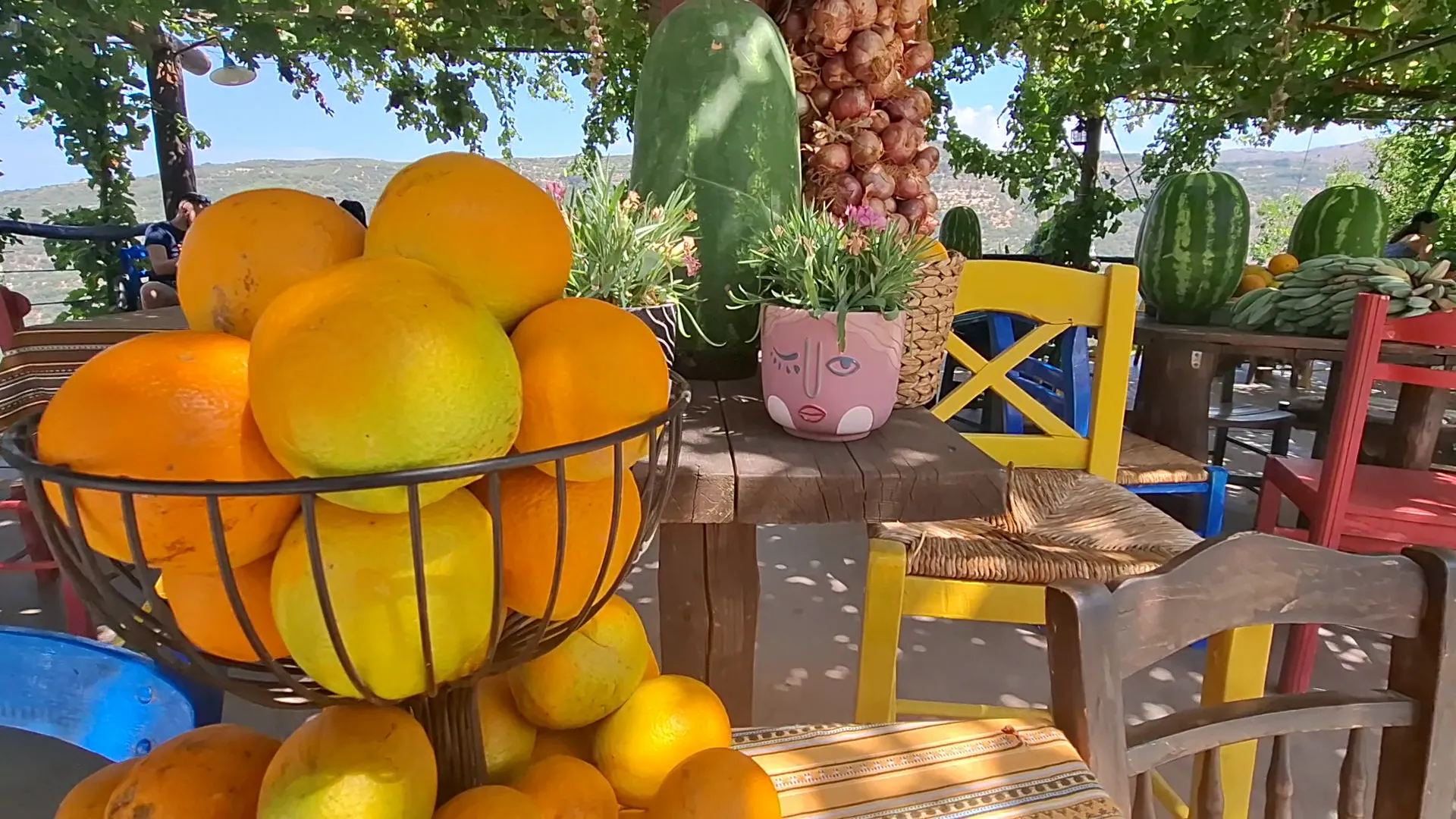
Across Crete, taverns serve dishes that reflect generations of family cooking traditions. These places often focus on local recipes prepared with ingredients grown nearby.
The atmosphere is usually relaxed and social, emphasizing hospitality and shared meals.
Ingredients Shaped by the Island
The island’s climate and landscape influence the ingredients used in Cretan cooking. Olive groves, vineyards, gardens, and mountain herbs all contribute to the variety of flavors found in local cuisine.
This close relationship between land and food is part of what defines the island’s culinary identity.
Olive Oil and Mediterranean Flavors
Olive oil plays a central role in nearly every dish. Combined with fresh vegetables, herbs, and simple preparation methods, it forms the foundation of many traditional meals.
This style of cooking is often associated with the broader Mediterranean diet.
Seafood Along the Coast
Coastal communities offer another dimension of food experiences. Fresh fish and seafood often appear on menus in seaside taverns where the sea remains part of daily life.
Meals in these settings combine food with views of the coastline and harbor activity.
Village Food Culture
In rural villages, food traditions frequently remain closely connected to agricultural rhythms. Seasonal dishes reflect harvest cycles and local ingredients.
Eating in village taverns often reveals the most authentic side of the island’s culinary culture.
Simple Meals with Deep Tradition
Many dishes in Crete rely on a small number of ingredients prepared carefully. Fresh bread, vegetables, herbs, cheese, and olive oil combine to create meals that emphasize natural flavor rather than complexity.
This simplicity is part of what makes the cuisine distinctive.
Food as a Social Experience
Dining in Crete is rarely rushed. Meals often extend into long conversations, shared plates, and relaxed evenings. Hospitality plays an important role in how food is experienced on the island.
Visitors frequently notice how welcoming this culture can be.
Markets and Local Products
Markets across the island display seasonal fruits, vegetables, cheeses, honey, and herbs. These products highlight the agricultural diversity that supports local cuisine.
Exploring markets can provide insight into everyday food culture.
Why Food Experiences Matter in Crete
Cretan cuisine represents a connection between landscape, agriculture, and community life. Understanding local food traditions adds another layer to the overall travel experience.
For many visitors, the island’s flavors remain one of the strongest memories long after the journey ends.