If you want to understand how the island is structured, start with the main Crete Regions Explained guide which introduces the four main regions of Crete.
Crete is not a uniform destination. Although it appears as a single island on the map, each region offers a different travel experience. Landscapes, towns, and even the rhythm of daily life vary across the island.
Understanding how the regions of Crete differ can help travelers choose the part of the island that best matches their expectations.
Western Crete: Dramatic and Scenic
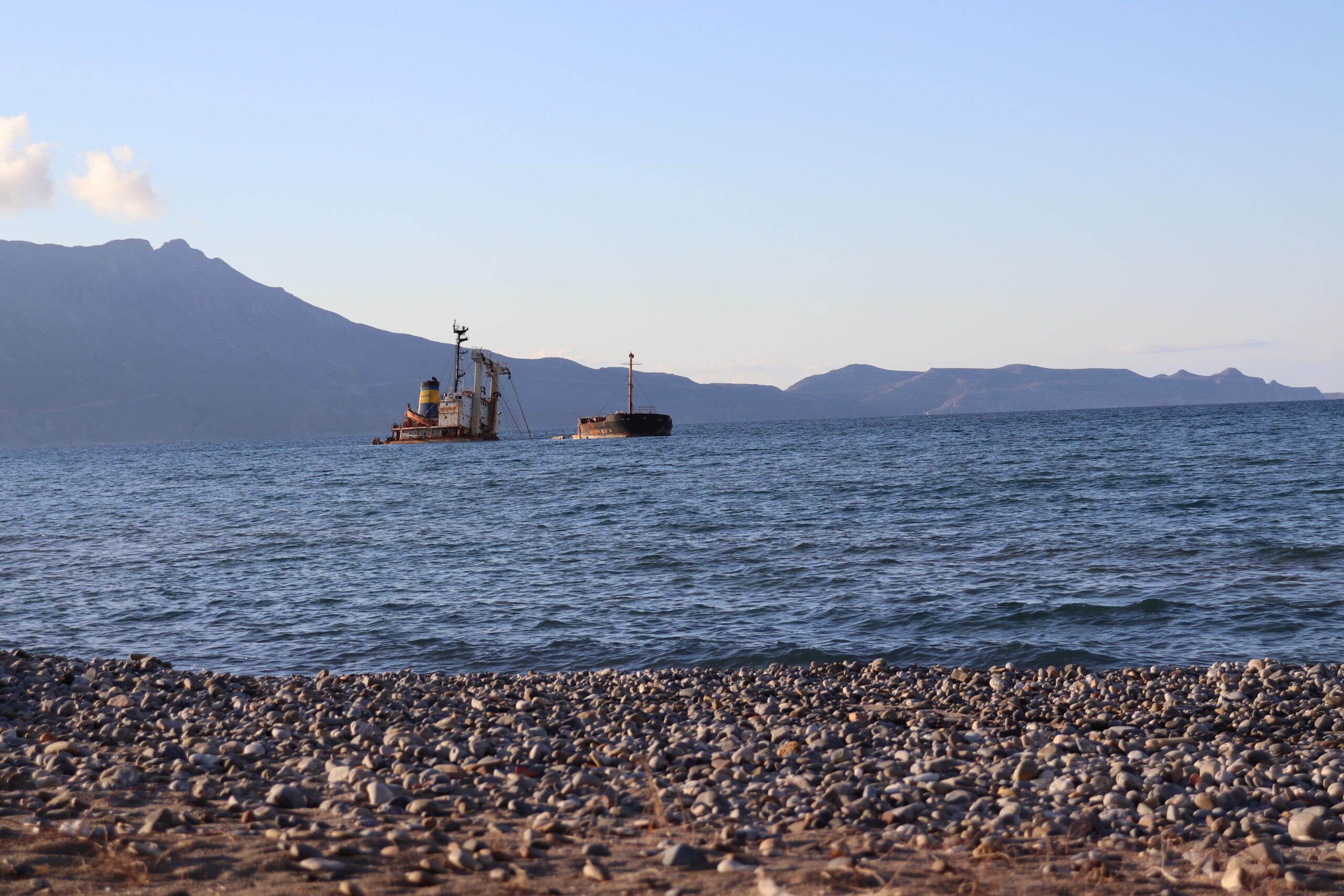
The western part of Crete is often described as the most scenic region of the island. Mountain ranges dominate the landscape, and the coastline includes several famous beaches.
Historic towns with Venetian architecture add cultural depth to the region. The combination of natural landscapes and historic settlements creates an atmosphere that many visitors find especially memorable.
This part of the island often feels vibrant and visually dramatic.
Central Crete: Active and Urban
The central part of the island contains the largest cities and transportation hubs. Urban life is more visible here compared with other regions of Crete.
This region also contains several important archaeological sites connected to ancient civilizations. The presence of major cities creates a more active environment with strong infrastructure and cultural institutions.
For travelers interested in history and contemporary life on the island, this region provides a different perspective.
Eastern Crete: Relaxed and Spacious
The eastern part of Crete often feels calmer and more spacious. Coastal towns are smaller, and the landscapes open into wide bays and valleys.
Tourism is present, but the atmosphere tends to be less concentrated than in some western areas. Many travelers describe this part of the island as quieter and slower paced.
The relaxed environment makes it appealing to visitors looking for scenic coastal landscapes and a peaceful atmosphere.
Northern Coast: Accessible and Lively
The northern coast of Crete forms the main travel corridor across the island. Major cities, airports, and transportation routes are located along this shoreline.
This part of the island is often the most accessible for visitors. Because of its infrastructure and beaches, the northern coast can feel lively and active during the travel season.
Many travelers spend much of their time exploring towns and beaches along this coastline.
Southern Coast: Remote and Quiet
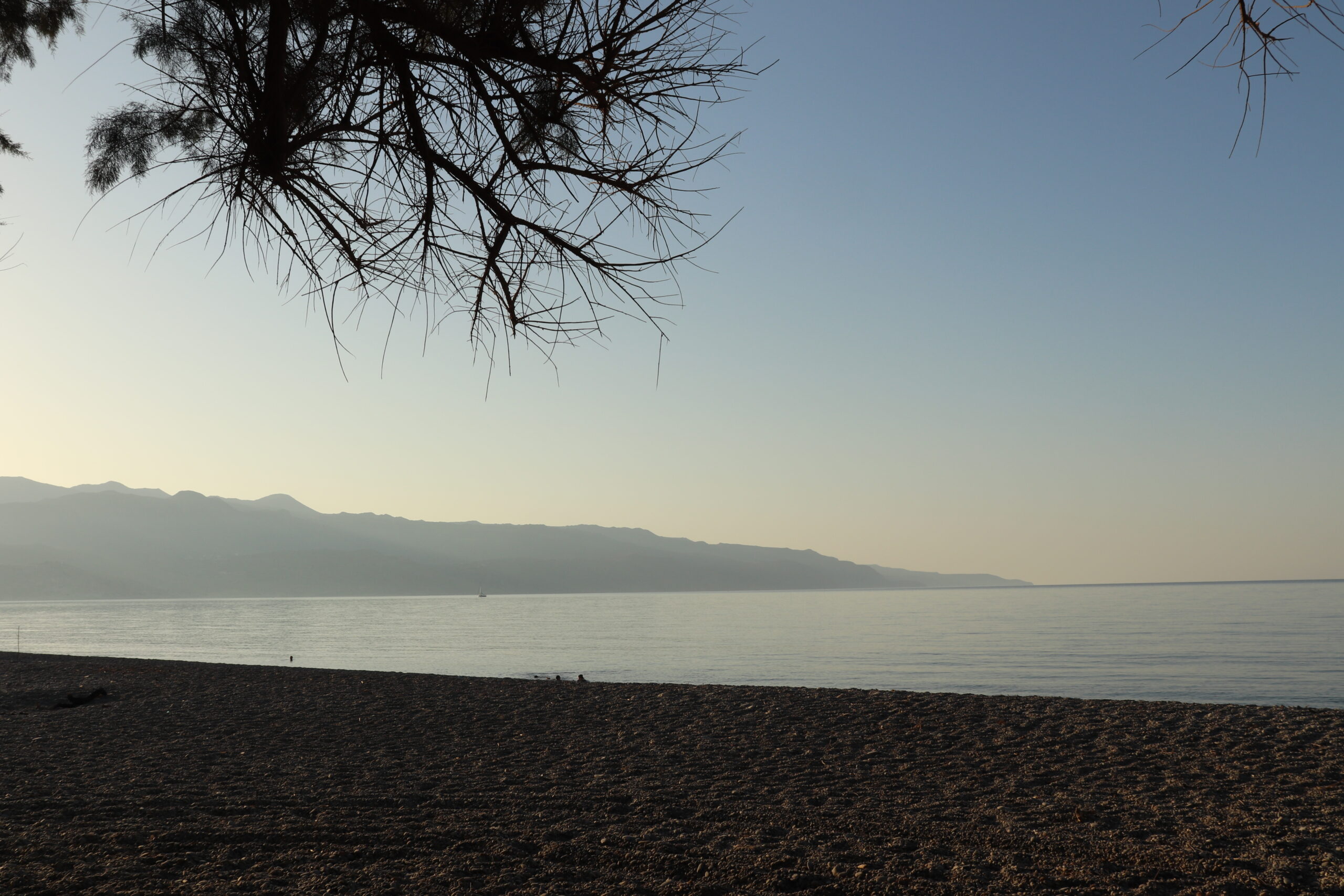
The southern side of Crete offers a completely different travel atmosphere. Mountains separate this coastline from the north, creating a sense of distance from the larger cities.
Villages are smaller and more widely spaced, and many beaches remain surrounded by natural landscapes.
Visitors who explore the south coast often experience a quieter environment where nature plays a dominant role.
How These Differences Shape Travel
The differences between Crete’s regions influence how travelers experience the island. Some visitors prefer lively historic towns, while others look for quiet coastal landscapes.
The island provides space for many different travel styles, from exploring dramatic mountain scenery to relaxing in small seaside villages.
Understanding these regional differences can help travelers plan a trip that matches their expectations.
Final Thoughts
Each region of Crete presents its own atmosphere and landscape. From scenic western coastlines to relaxed eastern towns and rugged southern shores, the island offers a wide variety of environments.
Recognizing these differences allows travelers to appreciate the diversity of Crete and choose the areas that best suit their travel style.