If you are planning to explore the island by car, start with the main Crete Road Trip Guide which explains how driving routes across Crete are usually structured.
Driving across Crete is one of the most rewarding ways to explore the island. The journey reveals a wide variety of landscapes including coastal highways, mountain passes, agricultural valleys, and small villages.
Although driving is generally straightforward, the island’s geography and road conditions create a driving experience that can be quite different from mainland highways.
The Main Highway
The northern coast of Crete is connected by the island’s main highway. This road links many of the largest cities and towns from west to east.
Travel along the northern route is usually the fastest way to move between regions. Many road trips use this highway as the backbone of the journey.
The highway allows drivers to cover longer distances while still enjoying views of the coastline.
Mountain Roads
Beyond the northern highway, much of Crete’s road network crosses mountainous terrain. These roads often include winding turns, steep climbs, and dramatic viewpoints.
Driving through the mountains can take longer than expected, but the scenery often becomes one of the highlights of the trip.
These routes connect the northern coast with southern villages and beaches.
Coastal Routes
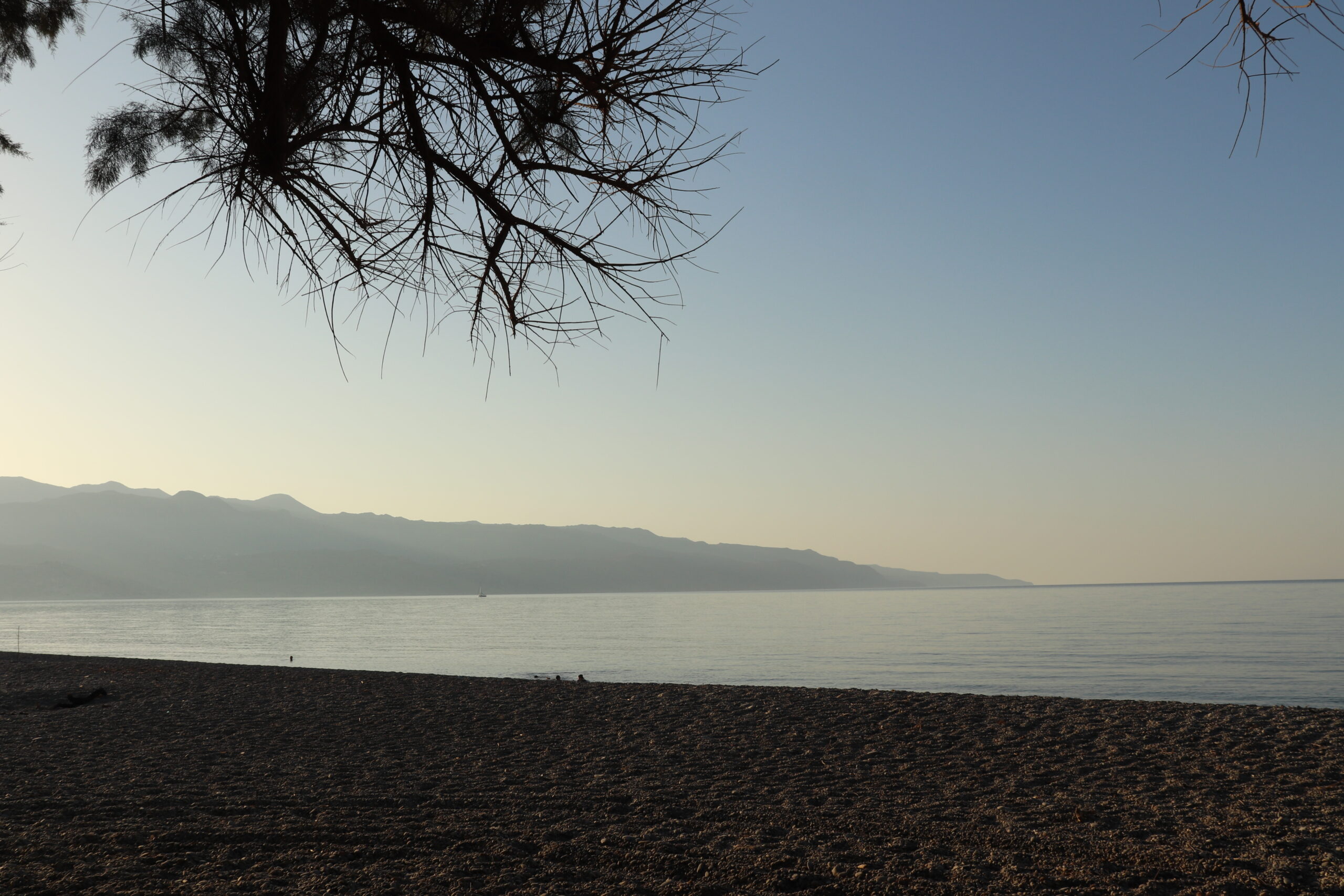
Crete also offers many scenic coastal roads that follow cliffs and bays along the sea. These drives reveal views of beaches, fishing villages, and rugged landscapes.
Travelers often stop along these routes to visit viewpoints or small coastal towns.
Coastal driving provides a slower but very scenic way to explore the island.
Driving Pace
Drivers in Crete often adapt to the road conditions and terrain. Some roads allow faster travel, while others require slower driving due to curves and elevation changes.
Maintaining a relaxed driving pace usually creates a more enjoyable experience.
Allowing extra time for travel also leaves room for scenic stops along the way.
Fuel and Services
Fuel stations are available in most towns and along major roads. However, in more remote areas they may appear less frequently.
Drivers planning longer routes often refuel when passing through larger towns.
This approach helps avoid searching for fuel in isolated areas.
Navigation
Modern navigation apps and maps work well across most parts of Crete. Signage on major roads is generally clear and often includes both Greek and English names.
Using a navigation app can help drivers plan routes through mountain areas and villages.
Enjoying the Journey
Driving across Crete is not only about reaching a destination. Many of the island’s best experiences occur during the journey itself.
Small villages, scenic viewpoints, and quiet beaches often appear along the road.
Taking time to stop and explore these places can transform a simple drive into a memorable travel experience.
Final Thoughts
Driving across Crete offers an opportunity to experience the island’s diverse landscapes and regions. From coastal highways to mountain passes, each route reveals a different side of the island.
With realistic travel plans and a relaxed pace, driving in Crete becomes one of the most enjoyable ways to explore the island.