If you are planning your trip during this season, start with the main Best Time to Visit Crete guide to understand how spring compares with summer and autumn travel.
Spring in Crete runs from March through May and marks the transition from the rainy winter period to the dry Mediterranean summer. During these months the island becomes green, flowers bloom across valleys and hills, and temperatures rise steadily. While the sea is still relatively cool early in the season, spring is one of the most comfortable periods for sightseeing, hiking, and exploring the island’s landscapes.
Weather in Crete During Spring
Spring weather in Crete is generally mild and increasingly sunny as the season progresses. March still feels close to winter conditions, but by May the island often experiences warm early-summer weather.
Typical daytime temperatures:
- March: 16–19°C
- April: 18–22°C
- May: 22–26°C
Rainfall gradually decreases through the season. March can still bring occasional rain, but April and May tend to have longer sunny periods and stable weather conditions.
Nature and Landscapes in Spring
Spring is when Crete’s landscapes look their most vibrant. Winter rains transform the countryside into green hills covered with wildflowers. Valleys, olive groves, and mountain slopes become especially colorful during April.
Wild herbs and flowers grow throughout the island during this period. Many travelers consider spring the best season for experiencing Crete’s natural scenery.
Waterfalls and rivers also flow more strongly after winter rainfall, which adds to the dramatic landscapes of gorges and valleys.
March in Crete
March marks the beginning of spring but still feels relatively cool. Temperatures usually remain between 16°C and 19°C during the day.
Rain is still possible, especially early in the month. However, sunny days begin appearing more frequently. Tourism remains quiet, which allows visitors to explore cities and villages without crowds.
March is a good time for walking through historic towns such as Chania or visiting archaeological sites.
April in Crete
April brings noticeably warmer weather and more consistent sunshine. Temperatures commonly reach 18°C to 22°C during the day.
This month is particularly famous for its landscapes. Fields and hillsides become covered with flowers, creating some of the most scenic views of the year.
April is also one of the best months for hiking in Crete. Many mountain trails and gorges become accessible as winter conditions fade.
May in Crete
May feels much closer to summer conditions. Temperatures typically reach 22°C to 26°C, and rainfall becomes rare.
The sea temperature gradually rises, and some visitors begin swimming during this period, especially in the second half of the month.
May offers an excellent balance between warm weather and relatively moderate tourist numbers.
Swimming Conditions in Spring
Swimming conditions improve gradually across the spring months. The sea remains cool in March and early April, usually around 16–18°C.
By May the sea temperature can reach around 19–20°C. Some visitors feel comfortable swimming, particularly on warm days or along the warmer south coast.
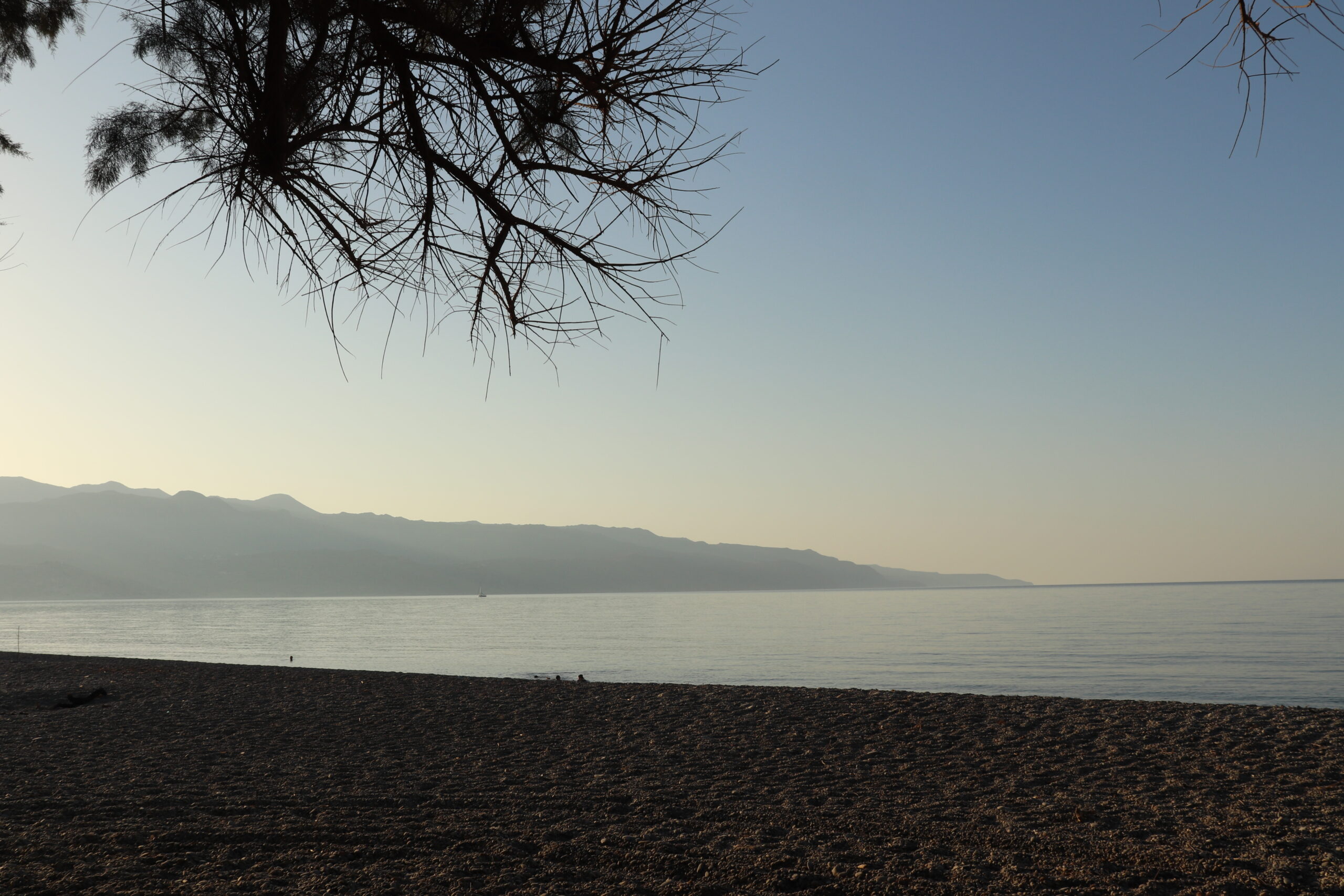
While spring is not the peak swimming season, beaches are quiet and often very pleasant for walking and relaxing.
Best Activities in Spring
Spring creates ideal conditions for many outdoor activities across Crete. The moderate temperatures make it easier to explore both cities and nature.
Popular spring activities include:
- Hiking mountain trails and gorges
- Exploring historic towns
- Visiting archaeological sites
- Driving scenic coastal routes
- Discovering traditional villages
Because temperatures are not extremely hot, travelers can comfortably explore the island throughout the day.
Tourism and Crowds
Spring remains quieter than the peak summer season. March and early April see relatively few tourists, while visitor numbers gradually increase toward May.
Major attractions such as Balos Lagoon or Elafonissi Beach are usually much less crowded compared with July and August.
This quieter atmosphere allows visitors to experience a more relaxed side of Crete.
Advantages of Visiting Crete in Spring
- Mild and comfortable temperatures
- Green landscapes and wildflowers
- Fewer tourists than summer
- Good conditions for hiking and exploration
- Lower travel prices compared with peak season
These advantages make spring particularly appealing for travelers interested in nature, photography, and cultural exploration.
Possible Limitations of Spring Travel
Although spring offers many advantages, there are a few limitations travelers should consider.
- The sea can still be cool for swimming early in the season
- Weather can occasionally be unpredictable in March
- Some seasonal beach businesses open later in April or May
However, for many travelers these factors are minor compared with the benefits of comfortable weather and fewer crowds.
Conclusion
Spring is one of the most rewarding seasons to visit Crete. The island becomes green and vibrant, temperatures remain comfortable for exploring, and tourism levels are still moderate. For travelers interested in landscapes, hiking, and historic towns, March through May offers some of the most pleasant travel conditions of the entire year.