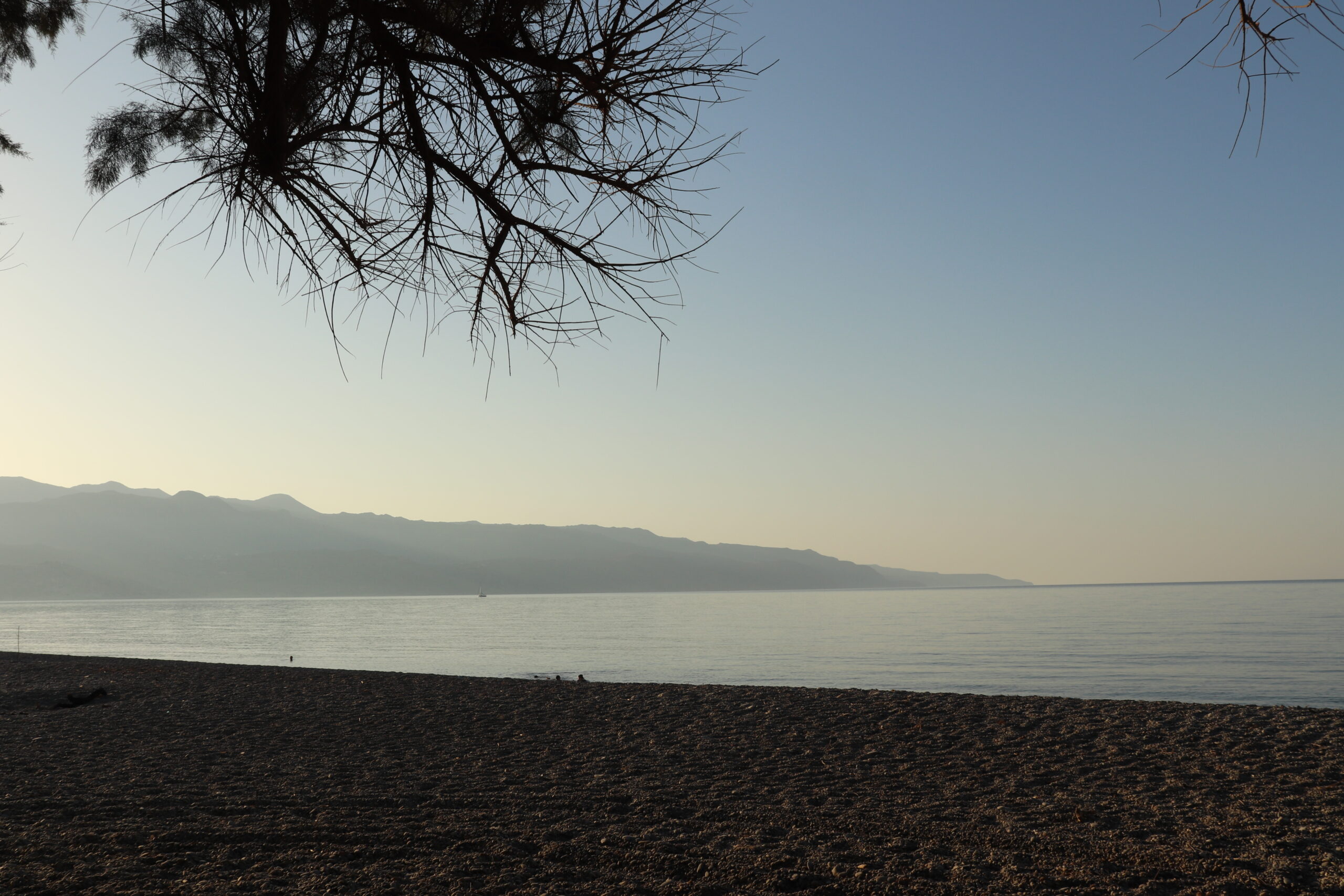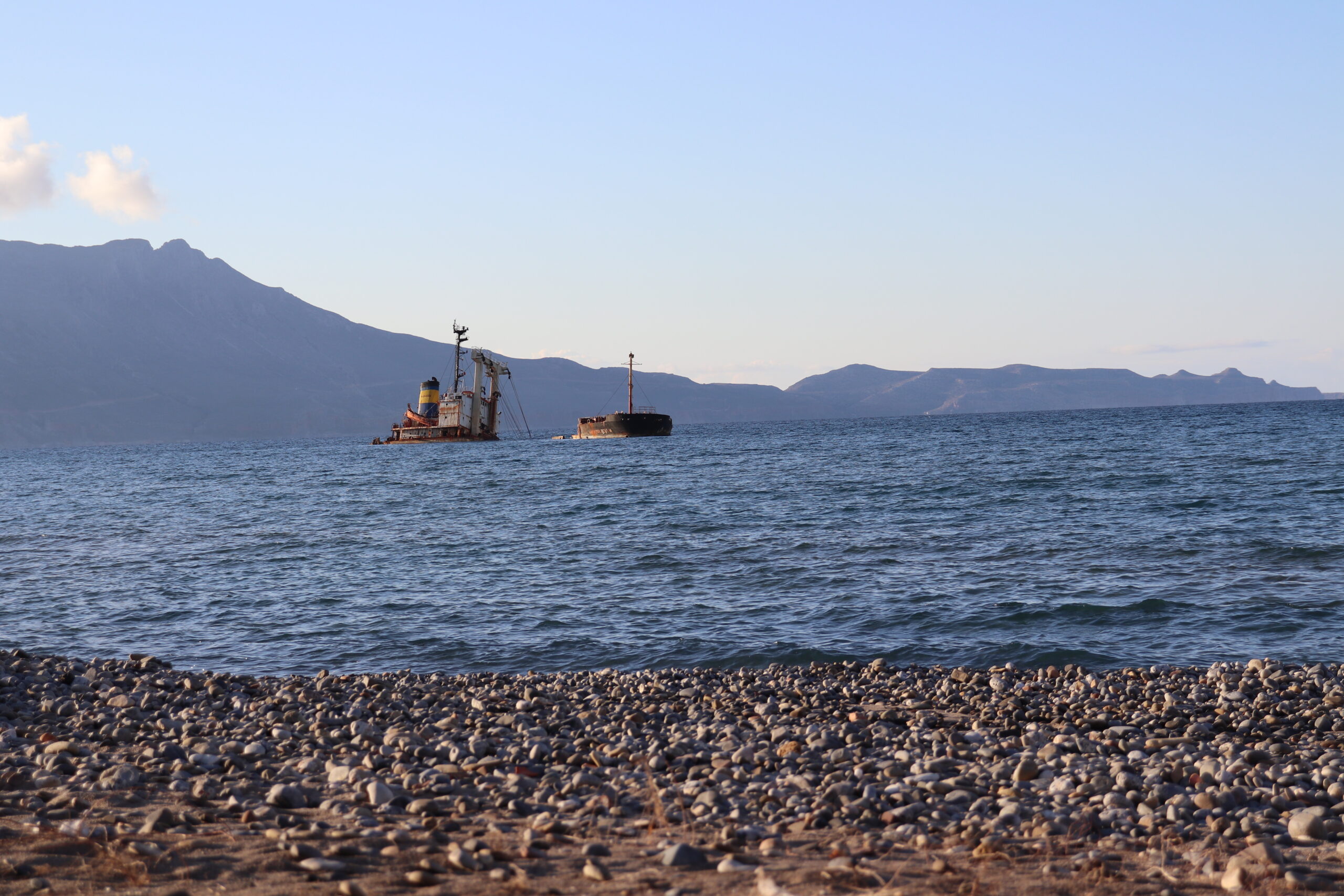
When travelers compare Crete vs Paros, they are not simply choosing between two Greek islands—they are choosing between two completely different ways of traveling.
To be completely upfront: I live on Crete and know this island from the inside—its mountain roads, regional differences, seasons, and daily pace. I have not yet visited Paros in person; everything I know about it comes from general Cycladic geography and what regularly makes the Greek news here (from beach access debates to peak-summer crowds and pricing). One day I plan to visit both Paros and Nafplio to experience them firsthand. Even so, the structural difference between these two destinations is clear to anyone planning a trip to Greece.
Crete vs Paros at a Glance
| Category | Crete | Paros |
|---|---|---|
| Island Size & Driving | Greece’s largest island (5+ hours west to east). Requires picking a region or planning road trips. | Compact Cycladic island; easily explored in 2 to 3 days by car, scooter, or ATV. |
| Visual Style | Venetian and Ottoman old towns (Chania, Rethymno), rugged gorges, olive groves, and wild south coast. | Classic Cycladic white cubic houses, blue shutters, windmills, and harbour promenades (Naoussa, Parikia). |
| Beaches & Wind | Over 1,000 km of coastline—pink sand lagoons, long sandy bays, and sheltered south-coast coves. | Golden sandy beaches and strong summer meltemi winds popular for windsurfing and kitesurfing. |
| Ideal Trip Length | 7 to 14+ days (or focused regional stays). | 3 to 6 days (often combined with nearby Cycladic islands). |
| Local Rhythm | Self-sufficient year-round society with universities, agriculture, and distinct local dialect. | Strongly seasonal island rhythm centered around summer ferries, beaches, and nightlife. |
1. Scale and Logistics: Road Trips vs Short Hops
The biggest mistake travelers make is treating Crete like a standard Greek island. On Paros, you step off the ferry in Parikia, pick up a small car or scooter, and reach almost any beach or village within twenty to thirty minutes.
Crete operates on a completely different scale. Driving from Chania in the west to Sitia in the east takes over five hours along the northern highway and mountain passes. If you only have a few days and want effortless logistics, Paros makes far more sense. If you have a full week or two and want changing landscapes every day, read our breakdown on whether Crete is too big compared to other Greek islands.
2. Atmosphere, Architecture, and Food
If your mental picture of Greece is whitewashed alleys draped in bougainvillea right above turquoise harbour water, that is the Cycladic aesthetic Paros delivers—similar to what travelers look for when comparing Crete vs Naxos.
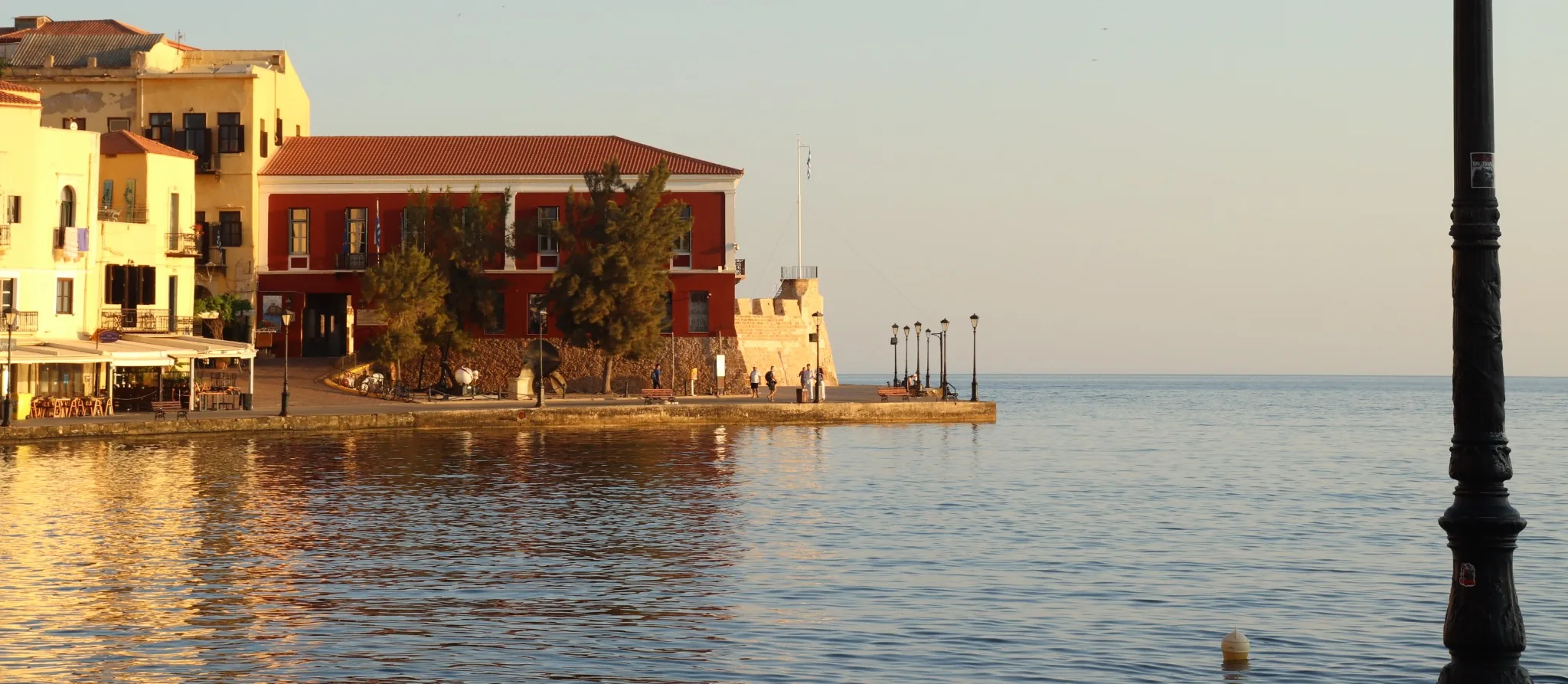
Crete feels older, heavier, and more rooted in the land. Its historic port towns reflect centuries of Venetian and Ottoman history, while inland life revolves around mountain villages, olive oil production, and long, unhurried meals in family tavernas. Even in August, driving twenty minutes uphill away from the coast takes you into quiet villages where locals outnumber visitors.
3. Beaches, Summer Crowds, and Seasonality
In Greek news and travel reports each summer, the Cyclades—including Paros—regularly highlight the pressure of peak-season arrivals on a small footprint: ferry bottlenecks, crowded beach clubs, and sharp July–August price spikes.
Crete also gets busy in major resort zones during July and August, but its sheer coastline gives you room to breathe. When strong northern meltemi winds blow across the Aegean, you can cross the mountains to Crete’s southern coast along the Libyan Sea for calm water, or visit comfortably in May, June, September, and October while the island remains fully alive.
Final Verdict: Crete or Paros?
How to Decide
- Pick Paros if you want a classic Cycladic island-hopping stop, compact distances, lively harbour evenings, and an easy 3-to-5-day beach break.
- Pick Crete if you want depth, dramatic mountain-to-sea scenery, authentic regional cuisine, and enough variety to fill one or two full weeks without repeating yourself.
Compare Stays Across Crete & Paros
Decided which island fits your route? Check live hotel availability and seasonal rates across Greece before peak summer dates fill up.
Check Hotel Prices in Greece →
Affiliate disclosure: If you book through this link, CreteTales may earn a small commission at no extra cost to you.
Still weighing multiple destinations across Greece? Browse our guide on which Greek island to choose to narrow down your itinerary.