Your First Day in Rethymno — Already Solved
Where to go, what to skip, where to eat, when to move, and how long everything realistically takes — already figured out for you by someone living in Crete.
No endless searching, random tourist stops, or wasted hours trying to plan the day yourself.
Just open the route on your phone and follow the day step by step.
← Back to Hidden & Alternative Places in Rethymno
Hidden among fields, coastlines, and the outskirts of towns, abandoned industrial sites around :contentReference[oaicite:0]{index=0} tell a story that is rarely discussed. These places reflect a more recent past — factories, warehouses, and infrastructure linked to industries that no longer operate.
::contentReference[oaicite:1]{index=1}
What qualifies as an industrial site
Industrial sites include buildings and facilities once used for production, processing, storage, or transport. In the Rethymno area, these often relate to agriculture, manufacturing, or early infrastructure development.
They differ from ancient ruins in both age and purpose, belonging mostly to the 20th century.
Why these sites were abandoned
Many industrial facilities closed due to economic shifts, centralization of production, or changes in technology. As industries modernized or moved elsewhere, local sites lost their function.
Once abandoned, they were rarely repurposed, leaving physical traces scattered across the landscape.
What you may encounter
Conditions vary widely, but common features include:
- Concrete or stone industrial buildings
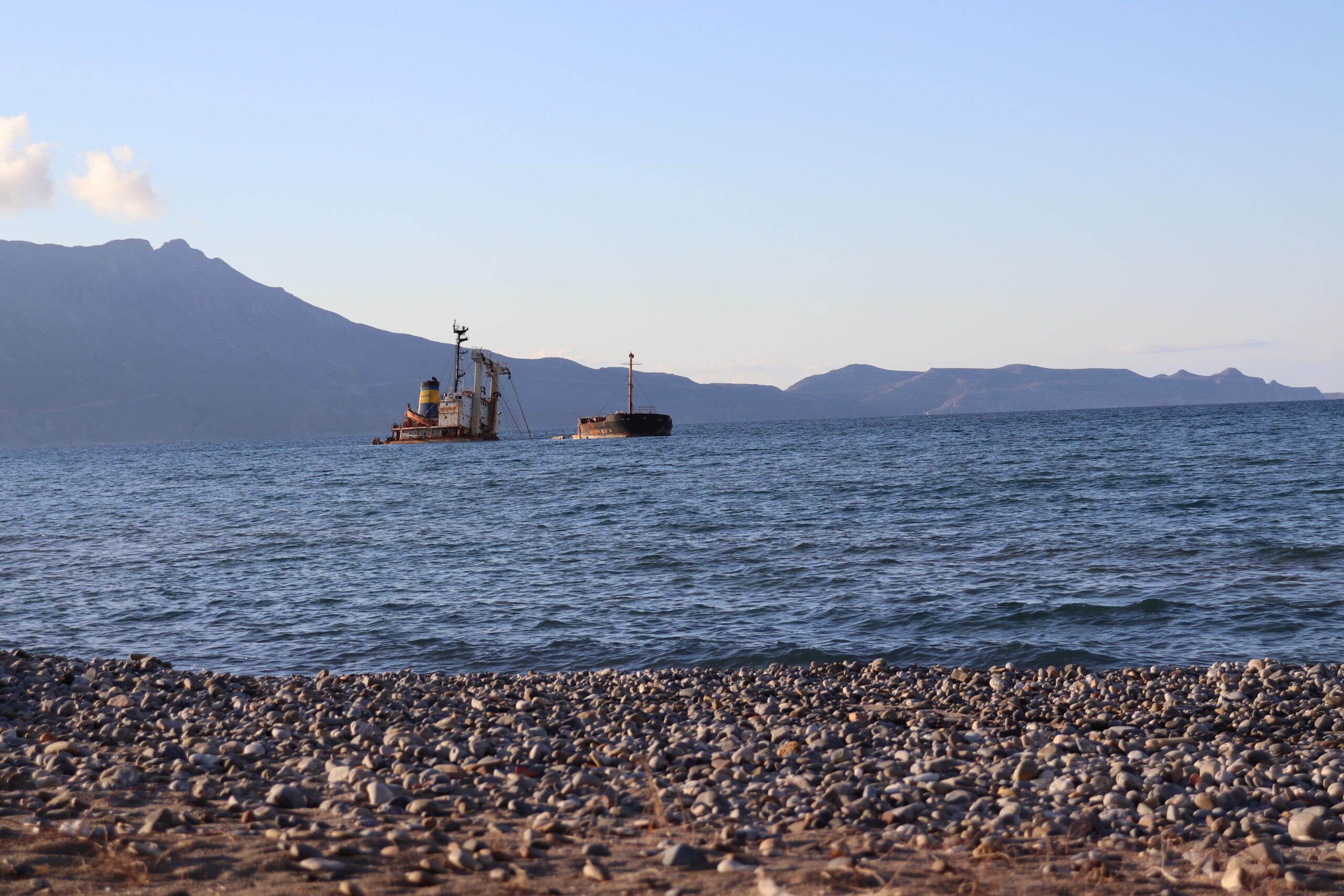
- Rusting machinery or structural elements
- Empty yards and loading areas
- Signs of gradual decay and weathering
Vegetation often reclaims these spaces, softening their appearance over time.
Atmosphere and visual impact
These sites feel stark and utilitarian. Unlike historical monuments, they were never designed to impress.
Their atmosphere comes from contrast — between function and abandonment, activity and silence.
Safety considerations
Abandoned industrial sites can be hazardous. There is no maintenance or supervision.
- Do not enter unstable structures
- Avoid climbing or touching machinery
- Watch for sharp metal, holes, and loose debris
Viewing from the outside is usually sufficient.
Legal and ethical aspects
Many sites remain private property, even if unused. Access is not guaranteed or permitted.
Respect boundaries, fences, and signage. Exploration should never involve trespassing.
Why these places remain overlooked
They lack beauty in the traditional sense and are rarely promoted. Tourism focuses on ancient history and natural scenery instead.
This makes industrial sites invisible to most visitors.
How they fit into alternative exploration
Abandoned industrial sites work best as visual points of interest rather than destinations. A brief stop or observation is usually enough.
They pair well with drives through rural or coastal areas.
What these sites reveal
They highlight economic layers often missing from travel narratives. Agriculture, processing, and infrastructure shaped daily life long after antiquity.
These remnants show how quickly economic relevance can fade.
Who will find them interesting
- Travelers interested in recent history
- Visitors curious about economic change
- Photographers drawn to decay and texture
If you seek beauty or comfort, these sites may feel bleak. If context matters, they add a different dimension to understanding the region.
Your First Day in Rethymno — Already Solved
Where to go, what to skip, where to eat, when to move, and how long everything realistically takes — already figured out for you by someone living in Crete.
No endless searching, random tourist stops, or wasted hours trying to plan the day yourself.
Just open the route on your phone and follow the day step by step.