Your First Day in Heraklion — Already Solved
Where to go, what to skip, where to eat, when to move, and how long everything realistically takes — already figured out for you by someone living in Crete.
No endless searching, random tourist stops, or wasted hours trying to plan the day yourself.
Just open the route on your phone and follow the day step by step.
Heraklion Seasons: Summer vs Winter Travel
Winter in Heraklion is often misunderstood. Many travelers assume the city shuts down completely or becomes unpleasant once summer ends. In reality, winter reveals a very different version of Heraklion—quieter, more local, and far less shaped by tourism. Knowing what to expect helps you decide whether this off-season experience matches your travel style.
Winter Weather in Heraklion
From December to February, Heraklion experiences mild winters compared to most of Europe. Daytime temperatures usually range between 12 and 18°C. Frost and snow are extremely rare in the city, though surrounding mountains may receive snowfall.
Rainfall increases during winter, but it typically comes in short bursts rather than constant downpours. Wind can make some days feel cooler, especially near the coast. Sunny days are still common, just shorter, with fewer daylight hours than in summer.
Crowds and Overall Atmosphere
Winter dramatically reduces visitor numbers. Cruise ships stop arriving, tour buses disappear, and central areas feel spacious. Museums, cafés, and streets are calm, even during the middle of the day.
The atmosphere becomes distinctly local. Heraklion shifts from a transit hub to a working city. This allows visitors to observe everyday life, from morning coffee rituals to evening strolls, without the pressure of crowds.
Prices and Accommodation
Winter is the most affordable season to stay in Heraklion. Hotel prices drop significantly, and availability is rarely an issue. Short-notice bookings are common, and extended stays become financially realistic.
Car rentals and tours are also cheaper, though some organized activities operate on reduced schedules. For travelers prioritizing value over variety, winter offers clear advantages.
What Stays Open—and What Doesn’t
Heraklion does not close in winter, but it simplifies. Core restaurants, cafés, shops, and museums remain open year-round. The archaeological museum and Knossos operate with winter hours.
Beach bars, seasonal taverns, and some tourist-focused businesses close until spring. Nightlife becomes quieter, focusing more on local bars than late-night venues.
Food and Dining in Winter
Winter dining is one of Heraklion’s strengths. Restaurants cater mainly to locals, which often means better quality, slower service, and more traditional dishes. Menus feature soups, stews, legumes, wild greens, and seasonal vegetables.
Dining hours remain late by European standards, but reservations are rarely needed. The experience feels more personal and less rushed than in summer.
Beaches and Outdoor Activities
Winter is not beach season in the classic sense. Swimming is possible for some, as sea temperatures remain relatively stable, but it is not the main attraction.
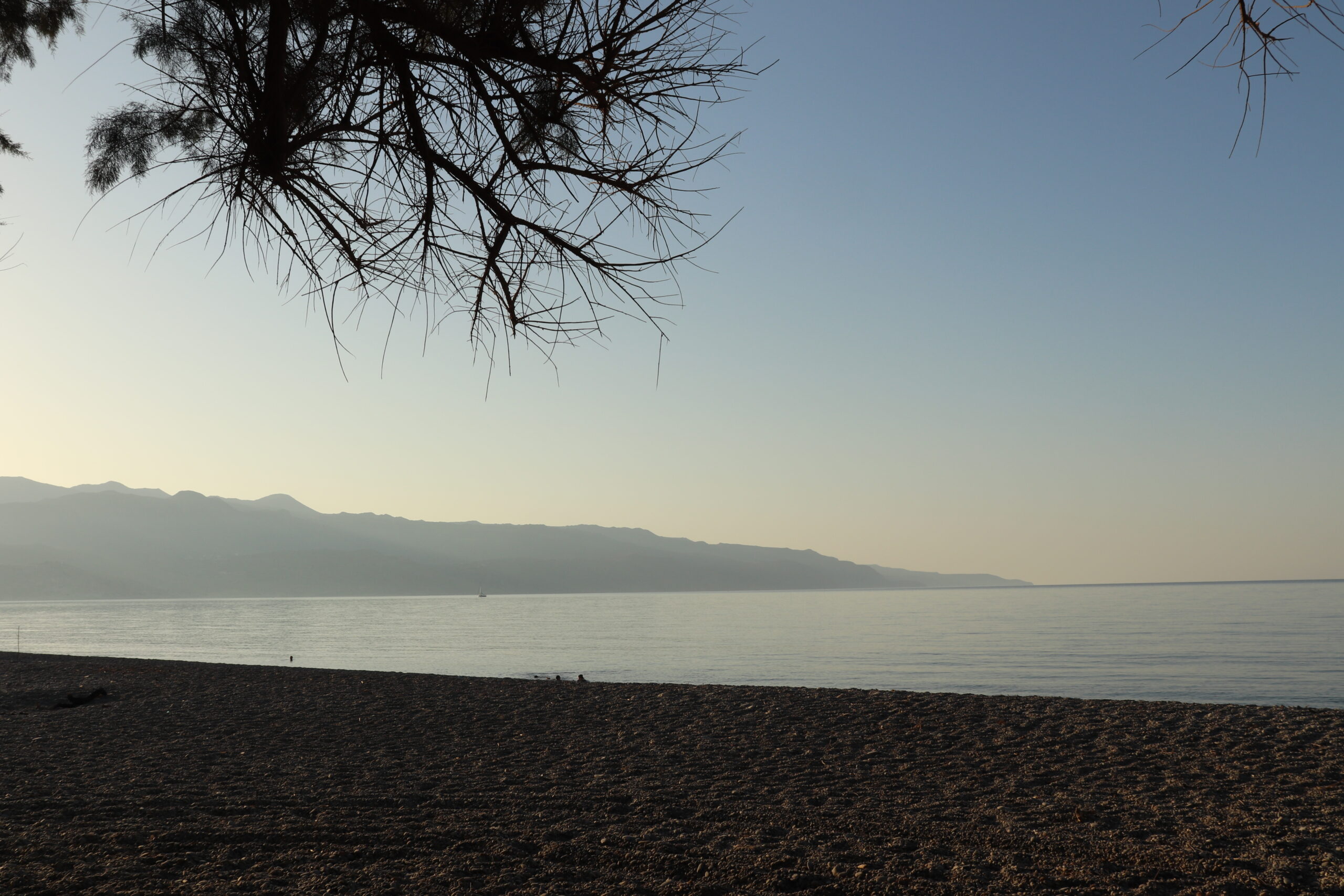
Beaches become places for walks, photography, and quiet time. Outdoor activities shift toward city exploration, nearby villages, and cultural sites rather than sunbathing.
Daily Rhythm and Practical Reality
Winter days in Heraklion start later and end earlier. Mornings are relaxed, afternoons active, and evenings centered around food and socializing. Traffic is lighter, and walking through the city is easier.
Public transport runs reliably, though with slightly reduced frequency. Weather flexibility is important, as plans may need adjustment around rain or wind.
Who Winter Is Best For
Winter suits travelers who value calm, culture, food, and authenticity over beaches and nightlife. It is ideal for repeat visitors, slow travelers, and those curious about real local life.
If your priority is swimming, festivals, or guaranteed sunshine, winter may feel limited rather than relaxing.
Bottom Line
Heraklion in winter is quiet, affordable, and deeply local. It strips away the tourist layer and reveals the city’s everyday character. For the right traveler, winter is not a compromise—it is an upgrade.
Your First Day in Heraklion — Already Solved
Where to go, what to skip, where to eat, when to move, and how long everything realistically takes — already figured out for you by someone living in Crete.
No endless searching, random tourist stops, or wasted hours trying to plan the day yourself.
Just open the route on your phone and follow the day step by step.