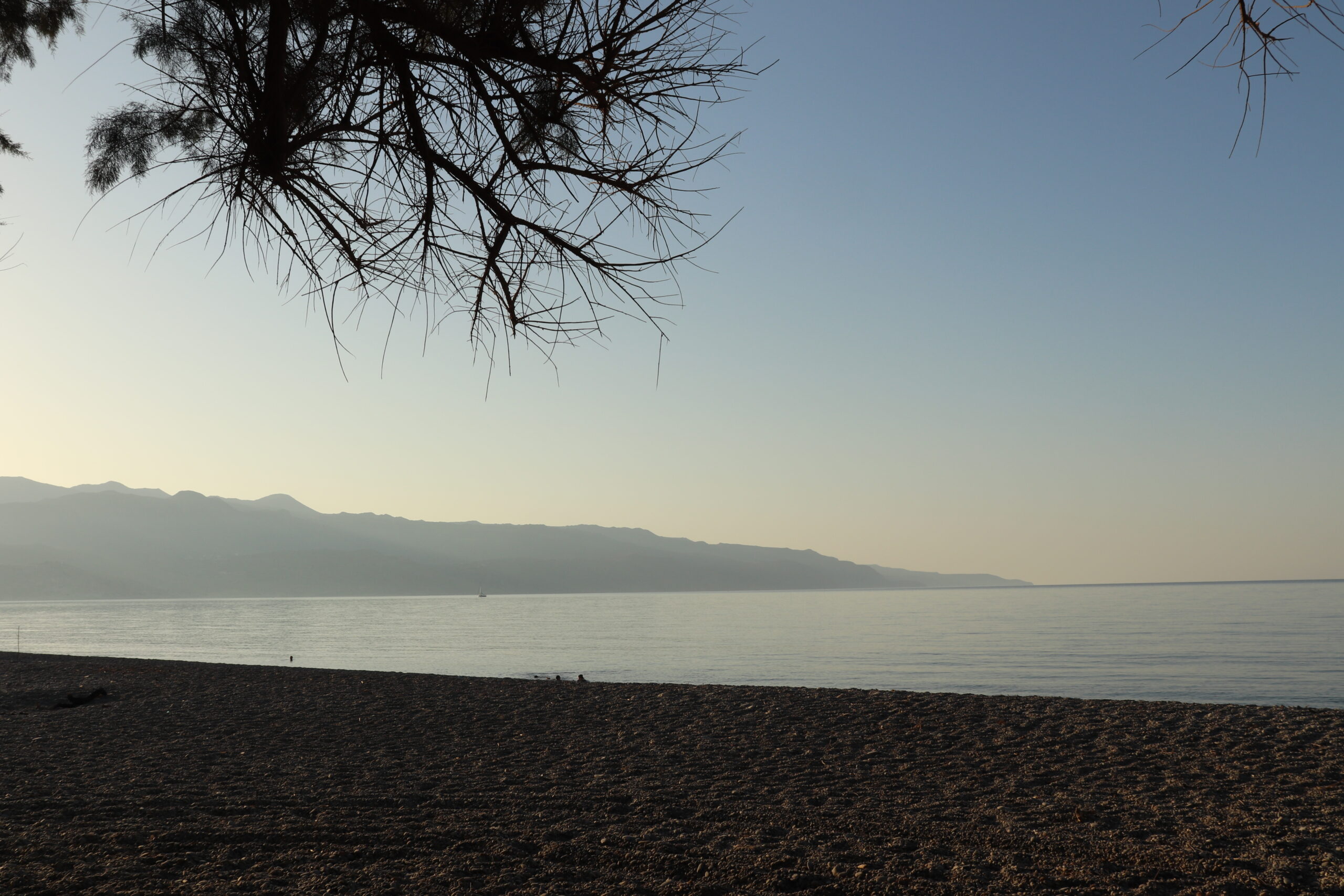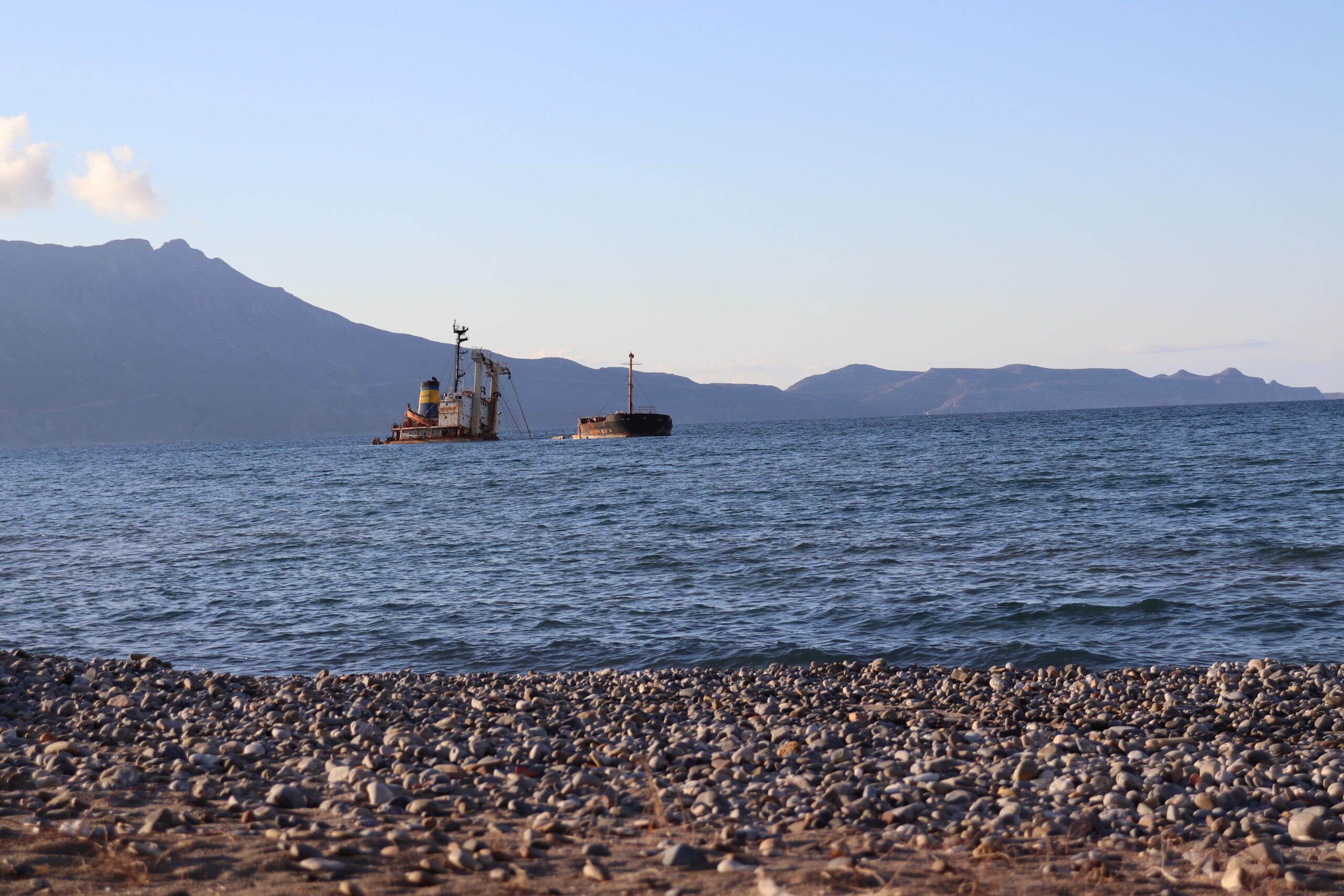
Vai is one of the few beaches where the experience changes dramatically during the same day. Two people can visit on the same date and leave with completely different impressions simply because they arrived at different hours.
The goal is not to find the quietest month — it is to choose the correct time window.
Morning (Best Overall Experience)
Morning is when Vai feels balanced. The air is softer, the parking fills gradually, and the palm forest atmosphere remains relaxed.
Swimming is comfortable and walking the viewpoint path feels natural instead of hot. This is the only period when the place feels both scenic and calm at the same time.
For most travelers, arriving before late morning creates the most satisfying visit.
Midday (Peak Pressure)
Around midday the environment changes. Groups arrive close together, sun intensity rises, and the beach shifts from scenic location to active beach zone.
The place is not unpleasant — but expectations must match the reality. Shade becomes valuable and movement slows down.
This is the period when visitors who expected a tranquil palm oasis feel surprised.
Late Afternoon (Relaxed Return)
Later in the day the atmosphere softens again. Departures begin and the light becomes warmer. The beach feels calmer without becoming empty.
Late afternoon works particularly well for travelers already exploring East Crete during the day and stopping at Vai before evening.
Wind Factor
Wind matters more than temperature here. Eastern winds affect the swimming conditions and overall comfort on the sand.
Morning usually offers the calmest water. As the day progresses, surface movement increases and reduces swimming quality even when the beach still looks attractive.
Seasonal Differences
In peak summer months, timing defines the experience more than the season itself. Even in high season, the early hours feel manageable while midday feels intense.
Outside peak season, the timing becomes less critical but still noticeable.
Tour Group Timing
Most organized buses arrive within a narrow late-morning window. This creates a sudden shift in atmosphere rather than a gradual increase in visitors.
If you arrive just before them, the beach feels spacious. If you arrive together with them, it feels crowded immediately. The difference is often less than one hour.
This is why many visitors describe Vai inconsistently — they experienced different arrival waves.
Light and Landscape
The palm forest is part of the experience, not just the sand. Light angle changes how impressive the landscape looks.
In the morning the contrast between palms, sea and sand is softer and clearer. Around midday the overhead sun flattens the view and reduces depth. Late afternoon restores texture again.
Photographs and visual memory both benefit from lower sun angles.
Heat Perception vs Temperature
Even on similar temperature days, midday feels significantly hotter because there is little natural shade on the open beach area.
Visitors often think the day is unusually hot when in reality they simply arrived at the least comfortable hour.
Earlier or later arrival reduces fatigue and extends the enjoyable part of the stay.
Combining With Other Stops
Timing becomes easier when Vai is not the only destination. Many travelers naturally reach it either early while moving east or later while returning.
This creates a relaxed visit because the day already has structure. The beach becomes a highlight rather than a schedule anchor.
The Practical Rule
If Vai is your main destination — go early.
If Vai is part of a larger route — go late afternoon.
Avoid building the visit around midday unless schedule forces it.
Why Timing Matters More Here
Vai is a visual location. The palm forest and viewpoint create the memory. When heat, glare, and crowd density increase, attention shifts from scenery to comfort.
The place hasn’t changed — your perception has.
Choosing the right hour protects the experience you came for.