Return to the main Plaka & Spinalonga Guide
Timing Determines the Experience
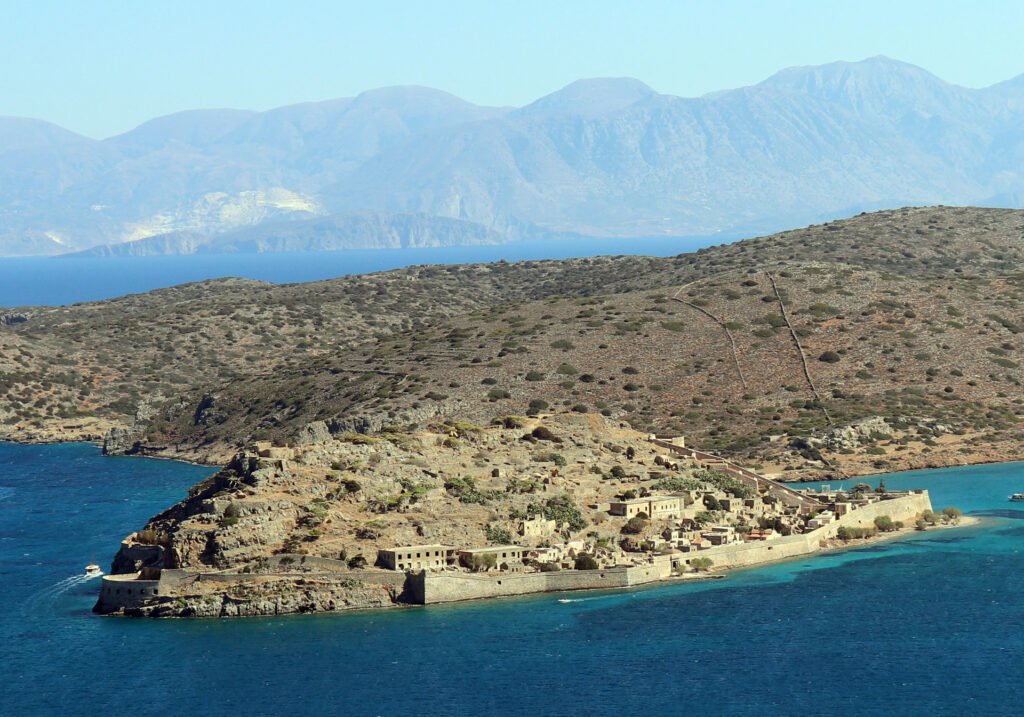
Location: Spinalonga, Crete, Greece
Copyright © CreteTales.com
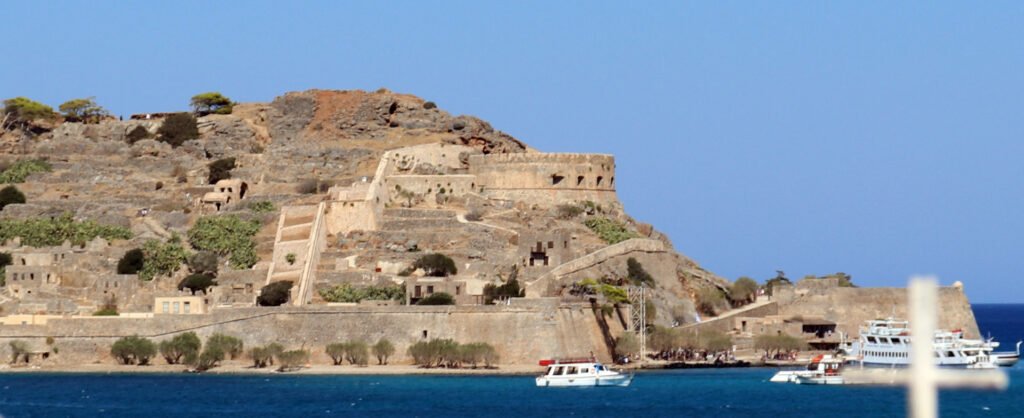
Spinalonga is not a shaded archaeological park. It is a rocky island with stone paths, reflective walls and long open sections exposed directly to the sun. Because of this, the quality of the visit depends far more on the hour you arrive than on travel distance or ticket price.
Two people can visit the same island on the same day and leave with completely different impressions. One experiences a quiet historical walk, the other feels exhausted after thirty minutes. The difference is almost always arrival time.
Morning — The Reference Experience
The first operating hours create the most balanced conditions. Air temperature is still moderate, the ground has not accumulated heat and organized groups have not yet arrived.
- Comfortable walking speed
- Open viewpoints
- No waiting at the entrance
- Calm atmosphere in the streets
At this time the island feels larger than it actually is. You naturally stop, observe and explore instead of searching for shade. The visit becomes about place and history rather than physical endurance.
For most travelers this is the moment when Spinalonga makes sense.
Late Morning — The Transition Period
Location: Spinalonga, Crete, Greece
Copyright © CreteTales.com
As the sun rises higher, surfaces begin to radiate heat and organized boats start arriving. The island does not suddenly become uncomfortable, but walking pace slows and shaded corners become occupied.
This period still works if expectations are realistic and the visit is not rushed, yet the calm atmosphere gradually disappears.
Midday — The Difficult Window
Midday combines three factors: maximum sunlight, accumulated ground heat and group arrivals. Because the island has long stone stretches without vegetation, the body cannot cool while walking.
- Higher fatigue
- Frequent stops
- Crowded narrow passages
- Shortened visit duration
Many visitors leave early during this period not because they finished exploring but because the environment forces them to. The island then feels smaller and less interesting than it actually is.
Late Afternoon — Quieter but Warm
After peak hours, organized groups leave and the atmosphere improves. However the ground remains warm and the visit still requires effort. The experience becomes calmer but not fully comfortable during summer months.
This time works best outside peak summer or for visitors who prefer fewer people and accept warmer conditions.
Seasonal Considerations
Spring
Balanced temperatures allow flexible arrival. Even later hours remain comfortable, making the island suitable as either a morning or early afternoon activity.
Early Summer
Conditions become sensitive to timing. Morning visits clearly outperform all others and planning begins to matter.
High Summer
The island effectively turns into a morning destination. Midday visits often shorten naturally because the environment dictates the pace.
Autumn
Comfort returns gradually. The island regains its relaxed character and later arrivals become reasonable again.
Group Arrival Waves
Spinalonga does not fill slowly — it fills in waves. Boats unload groups within minutes, temporarily concentrating visitors along the main route.
Arriving just before or after a group changes the experience completely even within the same hour. A difference of twenty minutes can determine whether viewpoints are empty or crowded.
Combining With the Rest of the Day
The most balanced structure places the island first in the day:
- Morning exploration
- Return to the coast
- Lunch
- Beach or drive later
This sequence follows natural energy levels. Reversing it often results in fatigue because walking on the island requires more effort than expected.
Wind and Sea Conditions
Morning crossings usually occur on calmer water. Later wind increases slightly, which does not prevent travel but reduces comfort on small boats. Starting early keeps both the crossing and the walk easier.
Photography and Atmosphere
Lower sun angles create softer contrast on the stone walls and settlement streets. Details remain visible and the island feels inhabited rather than harsh. Later light flattens textures and reduces visual depth.
This affects not only photos but also perception — softer light encourages slower exploration.
Why Spinalonga Feels Hotter Than Expected
Many visitors compare the temperature on Spinalonga to nearby coastal areas and expect similar conditions. In reality, the island reflects heat differently because of exposed stone surfaces, limited vegetation and constant direct sunlight.
Even when mainland temperatures feel manageable, walking conditions on the island can become significantly more demanding during peak hours.
What Most Visitors Regret
The most common mistake is treating Spinalonga as a midday stop between beaches. Visitors often underestimate the lack of shade and the amount of walking required on exposed stone paths.
Arriving early changes the entire rhythm of the visit and usually determines whether the island feels memorable or exhausting.
The Practical Rule
Treat Spinalonga as the first activity of the day whenever possible. This single decision removes heat stress, avoids crowd waves and allows a natural walking pace.
The island itself never changes. Only the conditions around it do, and choosing the right hour transforms the visit from tiring to memorable.
Frequently Asked Questions About Visiting Spinalonga
Is Spinalonga too hot at midday?
During high summer, midday heat becomes the main factor limiting the visit. The island has very limited natural shade and long exposed walking sections.
How early should you arrive at Spinalonga?
The first morning boats usually provide the calmest conditions, lower temperatures and fewer organized groups.
Can you visit Spinalonga in the afternoon?
Yes, especially outside peak summer. However temperatures remain higher and walking becomes more physically demanding.
How long do visitors usually stay on Spinalonga?
Most visitors spend between one and two hours on the island depending on weather conditions and crowd levels.
What month is best for visiting Spinalonga?
Spring and autumn usually provide the most balanced combination of temperature, comfort and crowd levels.
Free 1-Day Lasithi Plan
Coastal routes, scenic stops, local food spots, and realistic timing — already planned for you.
Open it on your phone and follow the day step by step.