Your First Day in Rethymno — Already Solved
Where to go, what to skip, where to eat, when to move, and how long everything realistically takes — already figured out for you by someone living in Crete.
No endless searching, random tourist stops, or wasted hours trying to plan the day yourself.
Just open the route on your phone and follow the day step by step.
Hiking & Outdoor Activities in Rethymno
What Defines Coastal Hiking Routes
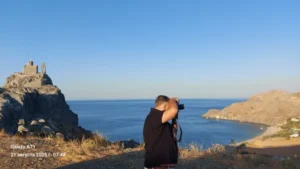
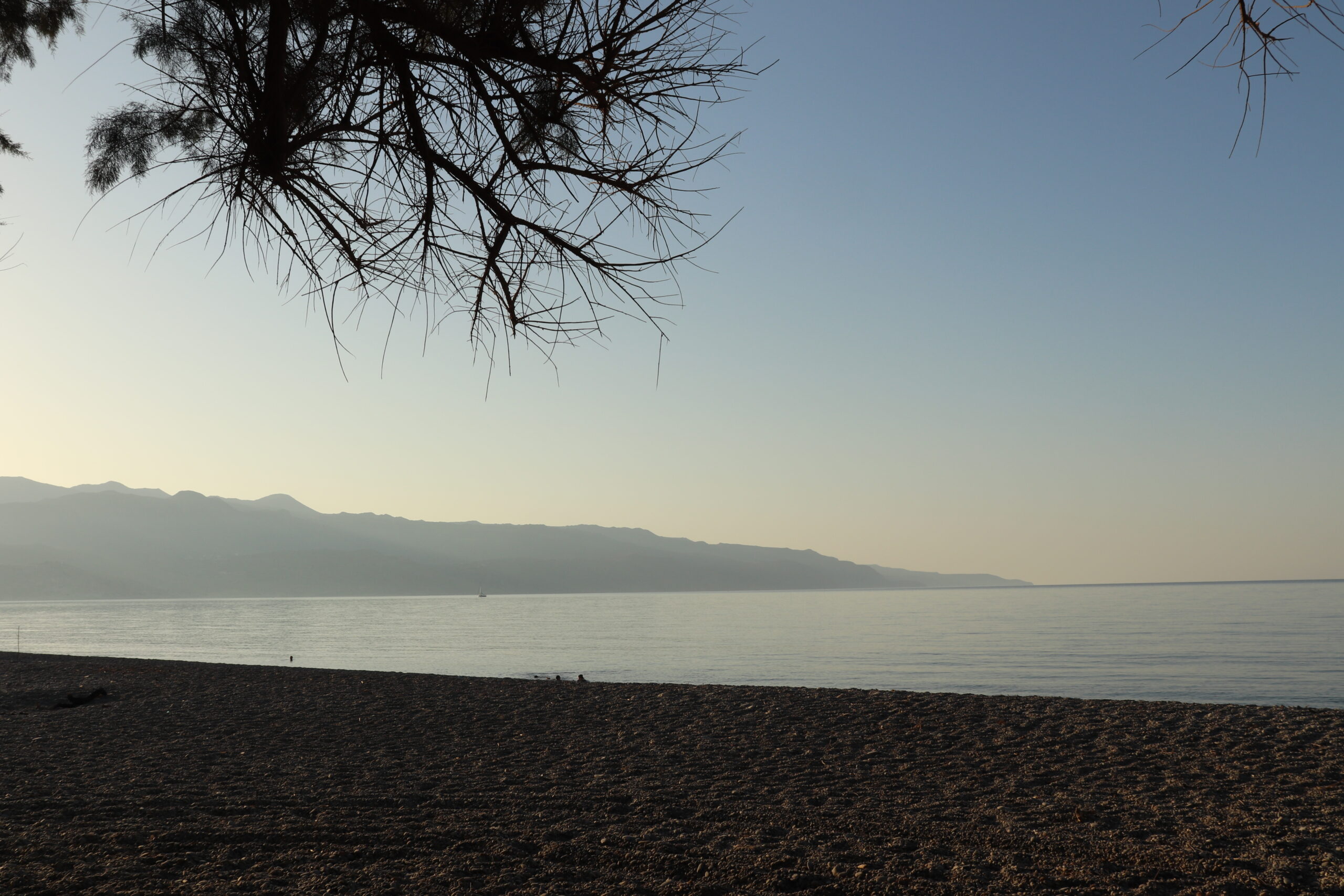
Coastal hiking routes follow shorelines, cliffs, and headlands rather than inland terrain. They emphasize open views and constant proximity to the sea.
Unlike shaded inland paths, coastal routes are often fully exposed to sun and wind.
Terrain and Surface Conditions
Coastal trails vary from compact dirt paths to rocky sections and uneven limestone surfaces. Sand patches and loose stones may appear near beaches.
Footwear with good grip helps manage frequent changes in surface stability.
Elevation and Physical Effort
Most coastal hikes involve gentle elevation changes, though short climbs near cliffs or coves are common. Effort is moderate but continuous.
The absence of shade can increase perceived difficulty even on flatter routes.
Weather Exposure and Wind
Wind is a defining factor along the coast. Breezes can improve comfort in warm weather but create instability during stronger conditions.
Checking wind forecasts is as important as monitoring temperature.
Seasonal Comfort Considerations
Spring and autumn offer the most balanced conditions for coastal hiking. Summer hikes require early starts to avoid heat exposure.
Winter routes may feel cooler but can become slippery after rain.
Navigation and Route Awareness
Coastal routes are visually intuitive, often following the shoreline. However, paths can fade near rocky areas or private land boundaries.
Awareness of turnaround points helps prevent forced backtracking.
Safety Near Cliffs and Water
Some routes pass close to cliff edges or uneven drop-offs. Maintaining distance from edges reduces risk, especially during windy conditions.
Swimming access is not guaranteed along hiking routes and should not be assumed.
Time Planning and Break Management
Open terrain increases fatigue over time. Regular hydration breaks are essential, even on shorter routes.
Planning rest stops near accessible beaches or shaded areas improves endurance.
Who Coastal Hiking Routes Suit Best
These routes suit hikers who value scenery and openness over technical challenge. They are ideal for travelers seeking visual variety with moderate effort.
Those sensitive to sun or wind may prefer inland alternatives.
Environmental Awareness Along the Coast
Coastal ecosystems are fragile. Staying on established paths and avoiding cliff-edge shortcuts protects vegetation and erosion-prone areas.
Responsible use ensures long-term accessibility of these routes.
Your First Day in Rethymno — Already Solved
Where to go, what to skip, where to eat, when to move, and how long everything realistically takes — already figured out for you by someone living in Crete.
No endless searching, random tourist stops, or wasted hours trying to plan the day yourself.
Just open the route on your phone and follow the day step by step.