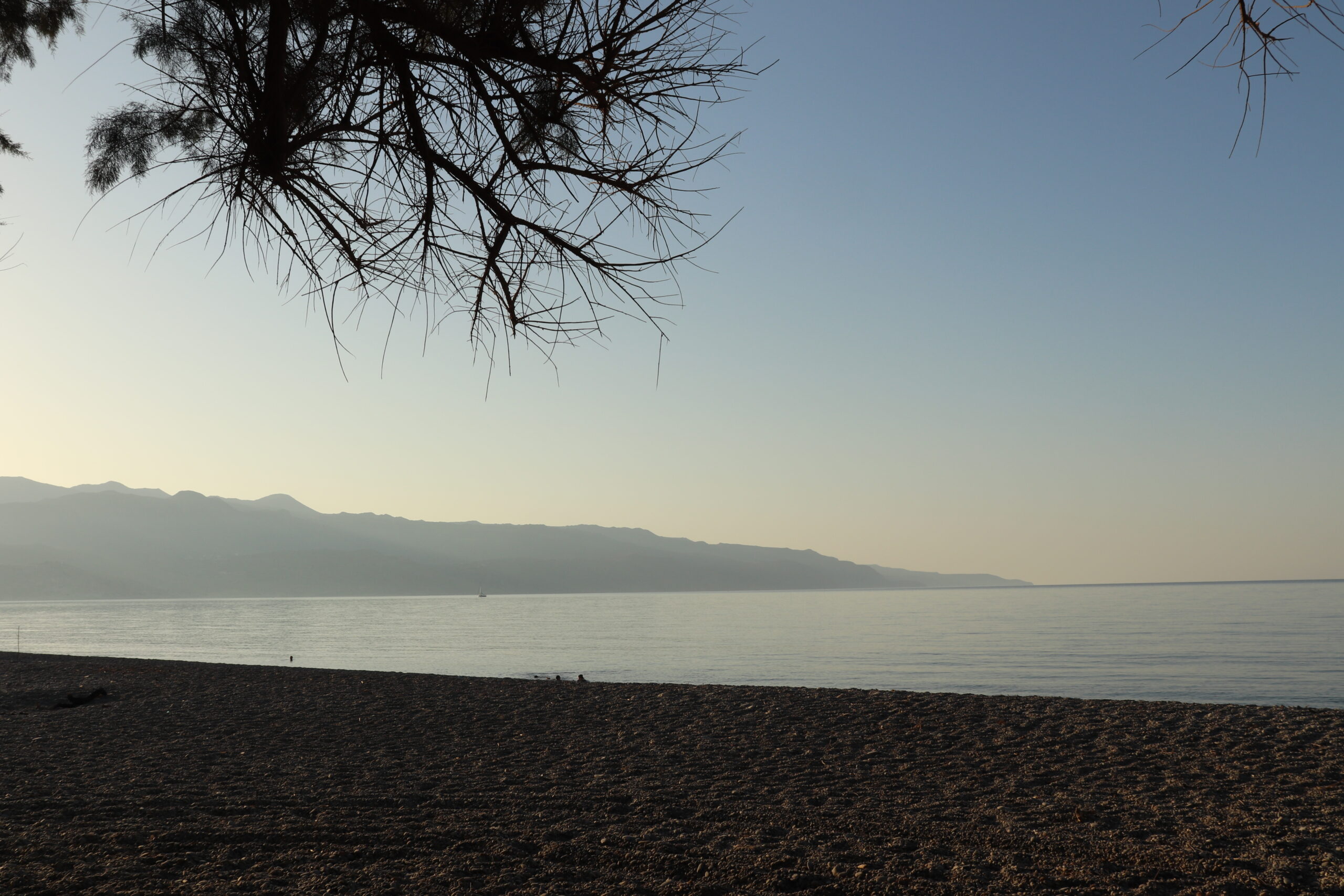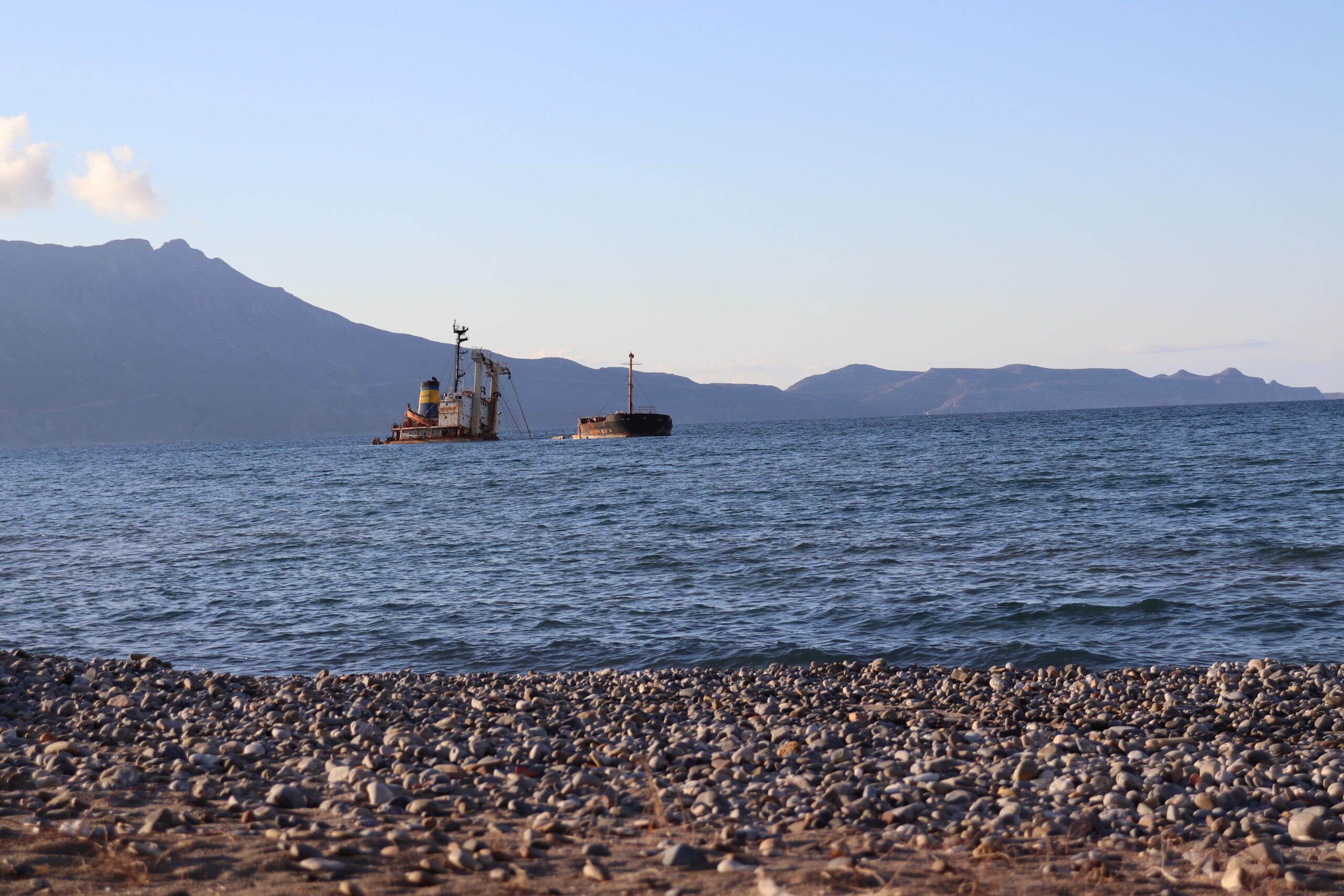
Sitia does not change through events but through hours. The same places serve different purposes depending on time of day, and understanding this removes the feeling that nothing is happening.
Morning — Functional Time
Early hours belong to practical movement. Coffee, bakeries and short walks organize the start of the day. People move with intention rather than leisure.
Swimming often happens before the heat builds.
Midday — Pause
The town slows noticeably. Streets empty and activity moves indoors. Attempting sightseeing now usually feels uncomfortable and unnecessary.
Rest is part of the rhythm, not wasted time.
Late Afternoon — Return Outside
Movement gradually returns. Short swims and small errands fill the transition between heat and evening.
Evening — Social Hours
The harbor becomes active again. Walking replaces planning and people stay outside longer. The same path you used in the morning now feels completely different.
Night — Quiet Continuation
Late evening stays calm rather than energetic. The town winds down naturally without a clear ending point.
Why the Day Feels Complete
Instead of searching activities, you follow temperature and light. The structure repeats daily but rarely feels identical.
Why Time Feels Slower
Because the structure repeats, you stop checking the clock. Days are measured by light and temperature instead of plans. Many visitors first interpret this as boredom, then as rest.
Common Expectation Conflict
People arriving with a list of tasks feel the town is empty. People arriving without schedule feel the town is full. The difference comes from adapting to rhythm rather than filling time.
How to Adjust Quickly
- do less at midday
- repeat morning swims
- walk every evening
Following these patterns usually removes the feeling of inactivity.
After a Few Days
Once habits form, decisions reduce. You stop organizing tomorrow and simply continue the same structure with small changes.
Example Day Flow
Understanding the rhythm becomes easier when seen as a sequence rather than description.
- morning — coffee and short swim
- late morning — errands or walk
- midday — indoor rest
- afternoon — second outing
- evening — long walk and dinner
Different Days Feel Different
The structure repeats but atmosphere changes with weather and light. A windy day moves activity later, a calm day starts earlier.
Why Nothing Feels Rushed
Because activities are not scheduled, delays do not matter. Missing one moment simply moves it to the next day.
When the Rhythm Breaks
Trying to force a full sightseeing schedule usually creates fatigue. Returning to the natural cycle restores comfort quickly.
Seasonal Changes
The same routine shifts slightly through the year. In hotter months activity moves earlier and later, while cooler months keep movement throughout the day.
- summer — early morning and late evening dominate
- spring and autumn — balanced daytime movement
Wind Influence
Wind does not cancel the day but rearranges it. Swimming moves to calmer hours and walking replaces staying at the beach.
Rainy Days
Even rare rain does not stop the rhythm — people simply stay longer in cafes and shorten outdoor walks.
Why the Pattern Works
The town does not depend on specific activities, so conditions adjust timing rather than cancel plans.