This guide is part of the Crete Travel Guide, the main island overview covering structure, regions, and travel logic.
Is Driving in Crete Necessary?
Driving is not mandatory for every traveler, but it significantly increases flexibility. Many beaches, mountain villages, gorges, and remote areas are difficult to reach without a car.
If your trip focuses on exploration rather than staying in one town, driving becomes a strategic advantage.
Main Road Structure
The northern coastline is connected by the island’s primary highway. This makes east–west movement relatively straightforward.
However, once you leave the main highway, roads often become narrower and more winding.
Mountain Roads
Crete’s interior is mountainous. Routes crossing mountain ranges include sharp turns, elevation changes, and slower driving speeds.
Driving times may be longer than expected based on distance alone.
Road Conditions
Main roads are generally well maintained. Secondary roads can vary in width and surface quality. In remote areas, caution and reduced speed are essential.
Local Driving Culture
Local drivers may drive faster than visitors expect. It is common practice to allow faster vehicles to pass when safe.
Maintaining steady speed and staying aware of surroundings improves safety.
Fuel Stations and Services
Fuel stations are widely available in towns and along main routes. In remote areas, distances between stations may increase, so planning ahead is advisable.
Parking in Towns
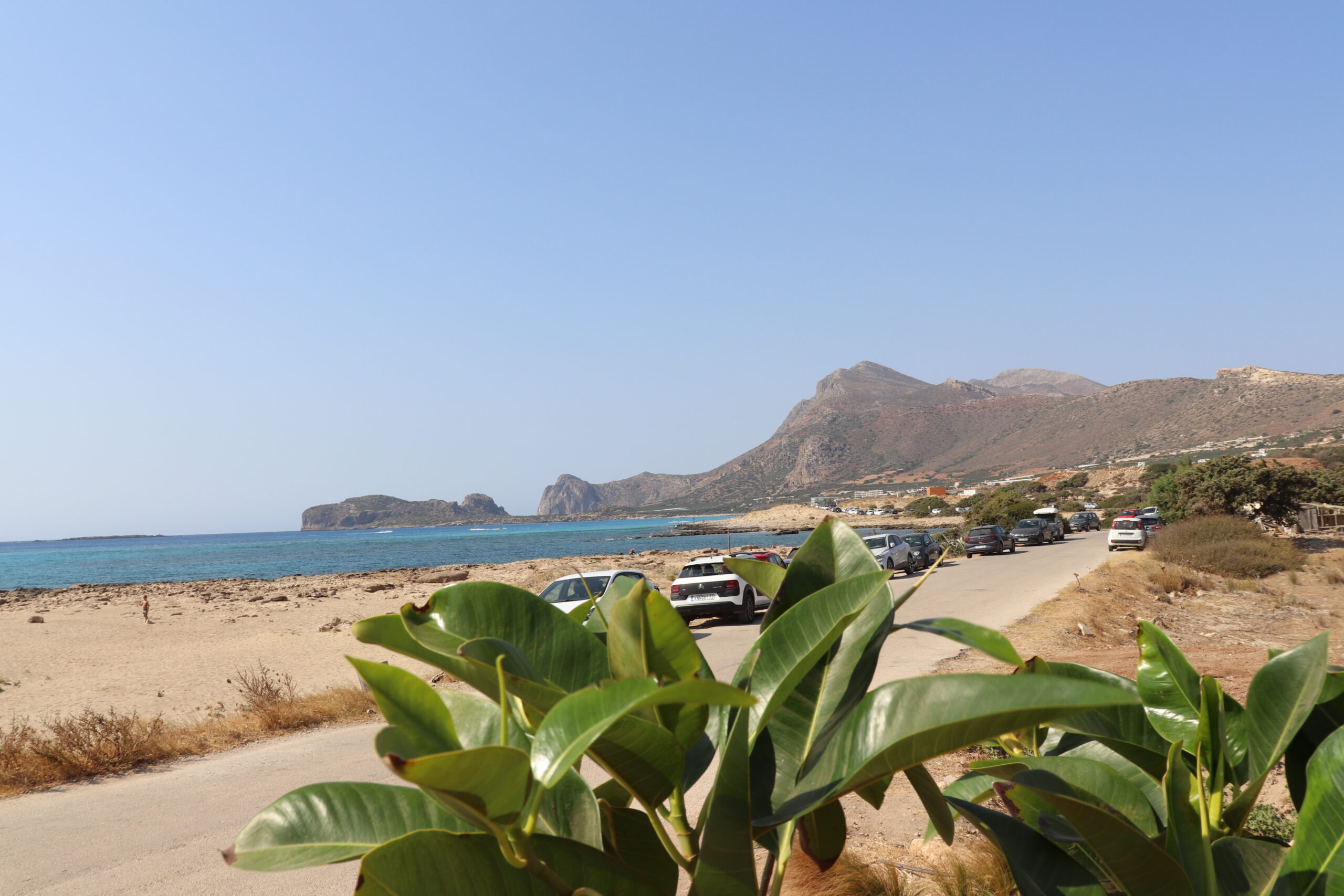
Parking availability varies. Larger towns may have designated parking areas, while smaller coastal villages may have limited roadside options during peak season.
Seasonal Considerations
- Summer: increased traffic in popular coastal areas
- Spring/Autumn: comfortable driving temperatures
- Winter: possible mountain weather variability
Common Driving Mistakes
- Underestimating travel time in mountainous areas
- Planning overly long day routes
- Ignoring fuel levels in remote zones
Driving Decision Framework
- Define your region and base
- Estimate daily distances realistically
- Choose vehicle size appropriate for narrow roads
- Allow buffer time for mountain routes
Driving in Crete is manageable when approached with awareness of terrain and distance. The island rewards structured movement rather than aggressive scheduling.