Heraklion Seasons: Summer vs Winter Travel
Choosing between summer and winter in Heraklion is not about finding a universally “better” season. It is about understanding how the city changes and deciding which version aligns with your expectations. Summer and winter offer two very different experiences, each with clear strengths and unavoidable compromises.
Weather: Heat vs Mild Comfort
Summer in Heraklion delivers consistent sunshine and high temperatures. Days are hot, dry, and predictable, making it ideal for swimming and outdoor dining. However, midday heat can limit sightseeing comfort, especially during July and August.
Winter offers mild temperatures by European standards. Days are cooler, with occasional rain and wind, but extreme cold is rare. Walking around the city is comfortable, though shorter daylight hours affect pacing.
Crowds and City Feel
Summer is the busiest season. The city functions as a transport hub for Crete, with cruise ships, tour groups, and constant arrivals. Popular areas feel crowded during peak hours, particularly near the harbor and museums.
In winter, crowds disappear. Heraklion becomes quiet, spacious, and distinctly local. The city feels less performative and more authentic, but also less animated.
Prices and Budget Impact
Summer is the most expensive time to visit. Accommodation, car rentals, and tours reach peak prices, especially in August. Planning ahead is essential to control costs.
Winter is the most affordable season. Hotels discount heavily, car rentals are flexible, and dining costs remain stable. For budget-conscious travelers, winter offers a clear advantage.
Beaches and Sea Conditions
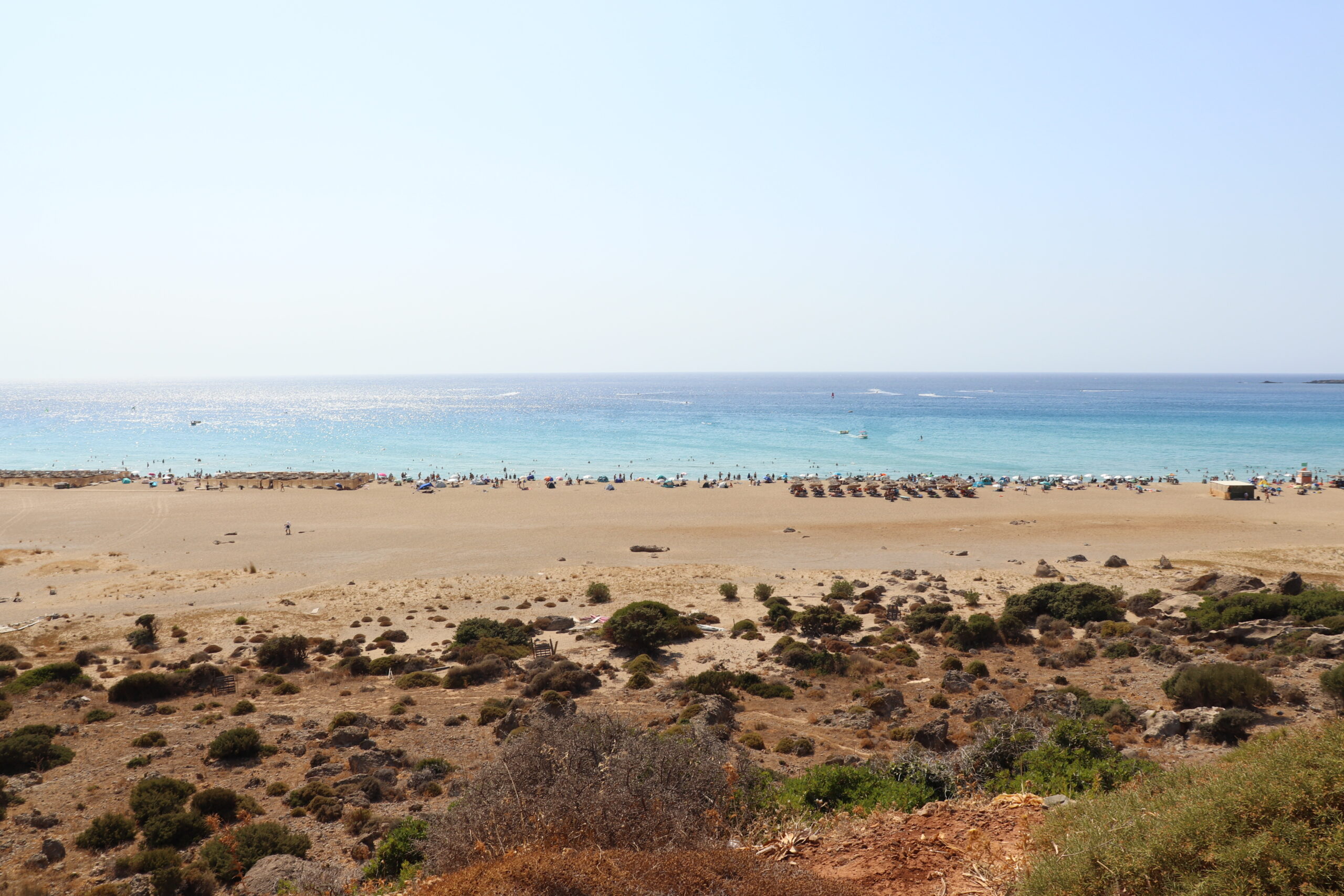
Summer is undeniably better for beach-focused travel. Sea temperatures are warm, beach services operate fully, and swimming is easy and enjoyable.
In winter, beaches shift role. Swimming is possible for some, but conditions depend on wind and weather. Beaches become places for walks and scenery rather than sunbathing.
Food and Dining Experience
Summer dining prioritizes speed and variety. Fresh produce is excellent, but tourist menus dominate central areas, and restaurants can feel rushed.
Winter food culture is slower and more traditional. Menus feature seasonal dishes, and restaurants cater mainly to locals. Service feels more personal, though variety may be narrower.
Activities and What You Can Do
Summer supports the widest range of activities: beaches, boat trips, nightlife, festivals, and organized tours all operate at full scale.
Winter focuses on culture and daily life. Museums, cafés, markets, and local neighborhoods become the main attractions. Outdoor activities depend more on weather flexibility.
Who Summer Is Better For
Summer suits first-time visitors who want guaranteed sunshine, swimming, nightlife, and easy access to tours. It works well for short stays where variety matters more than calm.
Travelers comfortable with crowds, heat, and higher prices tend to enjoy summer more.
Who Winter Is Better For
Winter is ideal for slow travelers, repeat visitors, and those interested in culture, food, and local life. It suits longer stays and flexible itineraries.
Travelers who dislike crowds or prioritize budget often find winter more rewarding.
Common Mistake When Choosing a Season
The most common mistake is expecting Heraklion to behave like a resort year-round. Summer visitors may underestimate crowds, while winter visitors may expect beach conditions that simply are not realistic.
Matching expectations to season prevents disappointment more effectively than choosing based on weather alone.
Bottom Line
Heraklion is not better in summer or winter by default. Summer is energetic, hot, and full-service. Winter is calm, affordable, and deeply local. The better season is the one that matches how you want to travel.