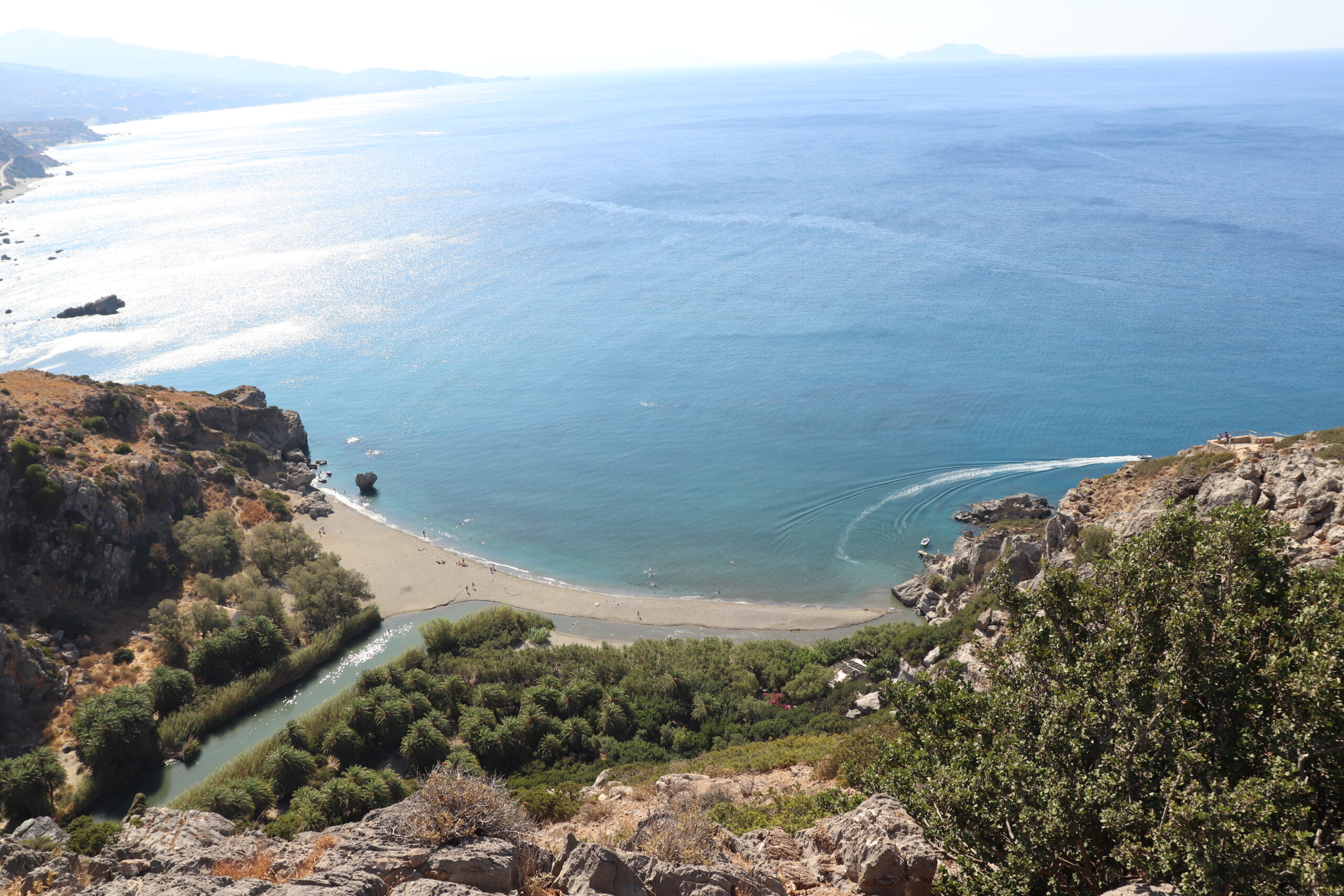
Beyond the better-known beaches like Makry Gialos, Xerokampos, and Kato Zakros, the South Coast of Lasithi contains multiple small coves and low-profile shoreline segments that rarely appear on standard travel lists.
What “Hidden” Means Here
Hidden beaches in South Lasithi are not secret. They are simply less structured and less promoted. Most lack organized sunbeds, beach bars, or visible road signage.
They require deliberate navigation and preparation.
Typical Characteristics
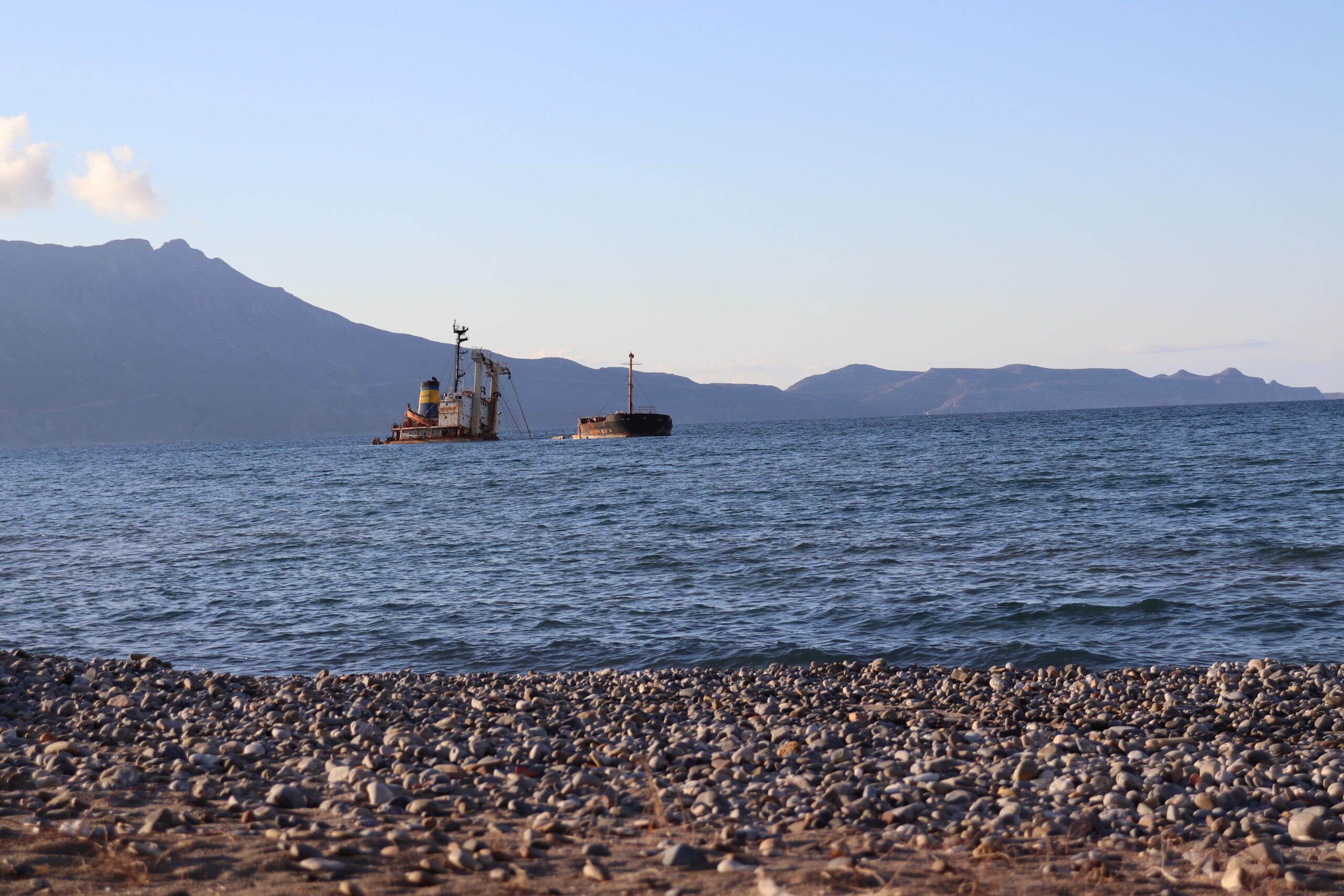
- Pebble or mixed surfaces
- Minimal or no facilities
- Direct Libyan Sea exposure
- Low visitor density
These beaches prioritize space over comfort.
Access & Road Conditions
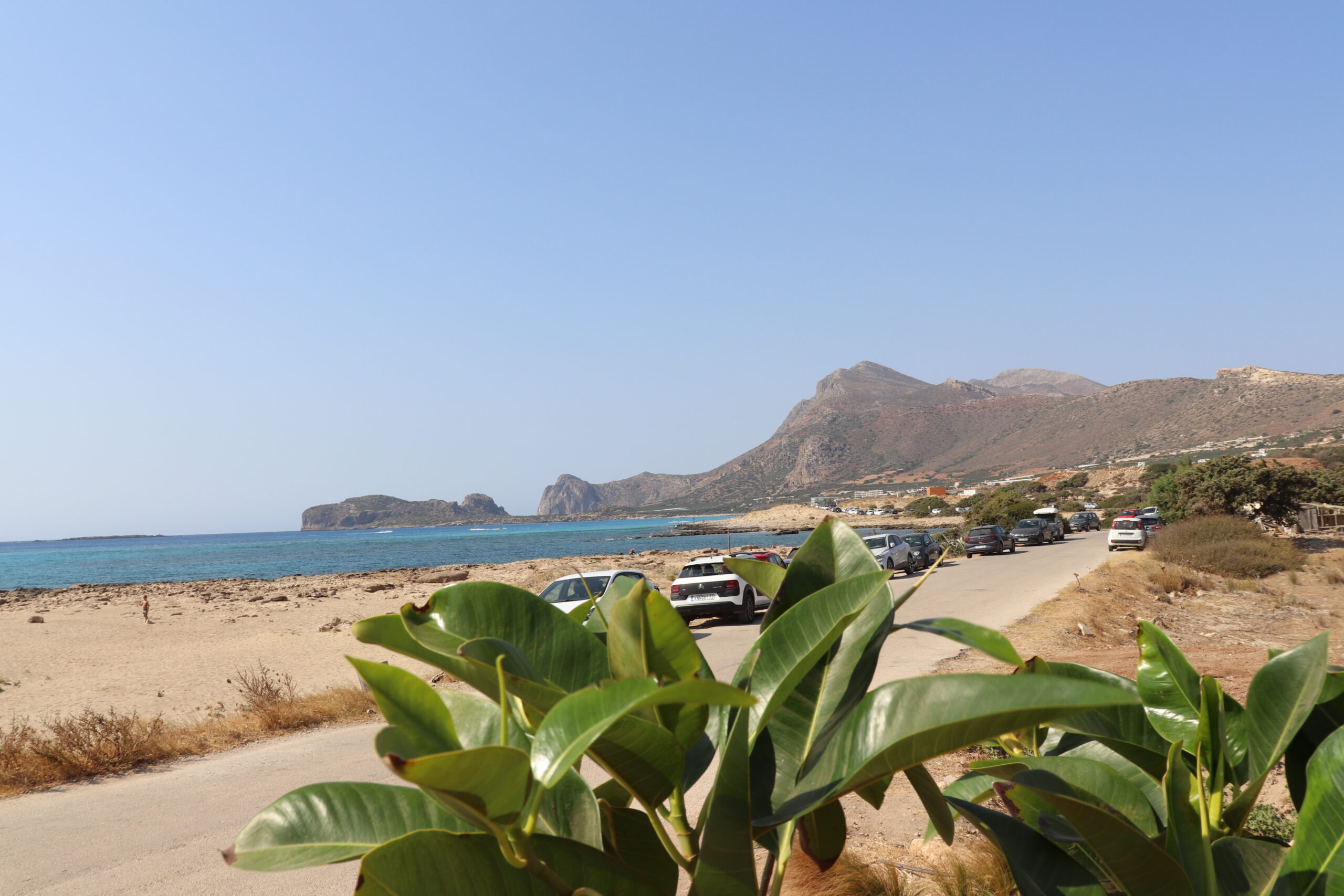
Some hidden beaches require short dirt-road access or brief walking paths from the main road. A standard rental car is usually sufficient, but drivers should move cautiously on unpaved sections.
Wind & Sea Behavior
Because many hidden beaches are not enclosed bays, wind exposure is common. Checking daily wind conditions is essential before committing to remote access.
Facilities & Preparation
Visitors should bring water, shade, and basic supplies. Relying on nearby services is often unrealistic.
Who These Beaches Suit
- Travelers seeking complete quiet
- Photographers prioritizing untouched coastline
- Visitors comfortable with minimal comfort
Who Should Avoid Them
- Families needing shallow sandy entry
- Travelers uncomfortable with remote access
- Visitors expecting structured facilities
When to Visit
Morning hours provide calmer sea and stronger clarity. Afternoon wind may intensify along exposed stretches.
Final Assessment
Hidden beaches on the South Coast of Lasithi offer raw coastline without infrastructure. They require preparation but reward visitors with space and low density.
How to Approach Hidden Beaches Safely and Realistically
Hidden beaches on the South Coast of Lasithi reward preparation more than spontaneity. Unlike organized beaches near villages, these locations rarely provide visible entry points, structured parking, or clear signage. Navigation often depends on local roads, dirt tracks, or short walking sections from the main coastal route.
Before committing to a remote cove, check wind direction. The Libyan Sea reacts quickly to southern and eastern winds. A beach that appears calm on a map may become exposed and uncomfortable within hours.
Water, shade, and time management are critical. There may be no nearby taverna or beach bar. Carry sufficient drinking water, sun protection, and basic supplies. Shade is almost always limited or absent.
Mobile reception is generally available but not guaranteed in smaller coves. Informal parking is common, but drivers should avoid blocking narrow access paths or private entrances.
Hidden beaches are not designed for long structured beach days with heavy equipment. They suit shorter, deliberate visits focused on swimming, quiet, and landscape.
Approach them as natural spaces rather than service environments. When expectations align with reality, these beaches offer the purest coastal experience in South Lasithi.