This guide is part of the Best Experiences in Crete, an island-level overview of activities and travel experiences.
Crete Is Made for Hiking
The landscape of Crete naturally invites exploration on foot. Mountain ranges cross the island from west to east, while deep gorges carve dramatic passages through the terrain. These geological formations create some of the most distinctive hiking environments in the Mediterranean.
Hiking here is not only about exercise but about experiencing the island’s raw landscapes.
Gorges as Natural Hiking Routes
Many hiking experiences in Crete take place inside gorges. These narrow valleys formed by erosion often contain unique vegetation, rock formations, and seasonal streams.
Walking through a gorge allows travelers to move gradually from mountain environments toward coastal areas.
Mountain Trails and Panoramic Views
Higher elevation routes offer wide views across valleys, plateaus, and distant coastlines. These trails pass through rugged landscapes where the scale of the island becomes more visible.
Mountain hiking often reveals parts of Crete that remain far from typical travel routes.
Coastal Hiking Paths
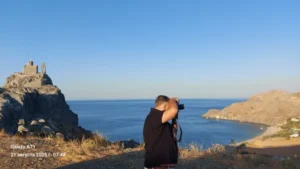
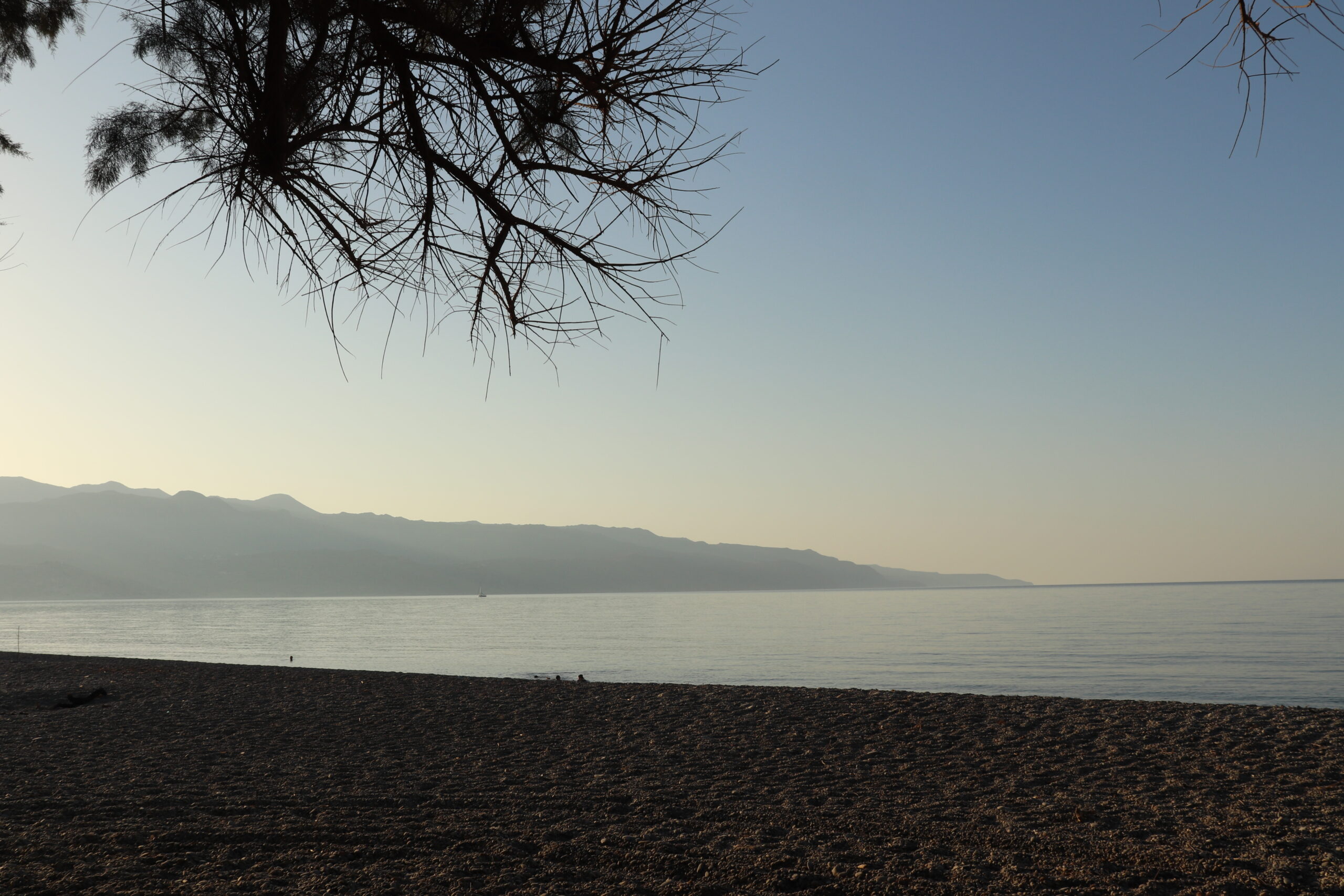
Some of the most scenic walking experiences follow coastal routes. These trails move along cliffs or remote shorelines where sea views remain constant throughout the walk.
Coastal hiking often combines natural scenery with quiet beaches or small settlements.
Seasonal Conditions for Hiking
The island’s climate strongly influences hiking conditions. Spring and autumn usually provide the most comfortable temperatures for longer walks, while summer hikes often require early morning starts.
Understanding seasonal conditions helps ensure a safer and more enjoyable experience.
Landscape Variety Along a Single Trail
One of the distinctive aspects of hiking in Crete is how quickly the environment can change along a single route. A path may begin in forested terrain, continue through rocky cliffs, and eventually reach the sea.
This variety keeps many trails visually interesting throughout the journey.
Wildlife and Natural Observations
Remote hiking areas sometimes reveal aspects of the island’s natural ecosystem that are less visible near towns and beaches. Mountain birds, wild herbs, and rugged rock formations are part of the environment hikers may encounter.
These details contribute to the sense of immersion in nature.
Historical Paths and Old Routes
Some hiking trails follow routes that were historically used by local communities connecting villages, agricultural fields, and coastal trading points.
Walking these paths provides insight into how people once moved across the island.
Preparation and Awareness
Because terrain can vary widely, hikers should prepare carefully. Adequate water, suitable footwear, and awareness of weather conditions are essential when exploring remote trails.
Why Hiking Reveals the Real Crete
While beaches and towns showcase the island’s beauty, hiking reveals the deeper structure of the landscape. Moving slowly through mountains and valleys allows travelers to see Crete in a more intimate way.
For many visitors, hiking becomes one of the most memorable experiences on the island.