If you want to understand how the island is structured, start with the main Crete Regions Explained guide which introduces the four main regions of Crete.
Crete is the largest island in Greece, and its regions offer very different travel experiences. Landscapes, towns, and coastal environments change significantly from one part of the island to another.
Because the island is large, choosing the right region is an important step when planning a trip. The area you select will influence the beaches you visit, the towns you explore, and the travel distances during your stay.
Understand the Geography of the Island
Crete stretches more than 250 kilometers from west to east. Mountain ranges run across the island, separating the northern and southern coastlines.
This geography means that traveling between regions can require several hours of driving. For this reason, most visitors focus on exploring one part of the island rather than attempting to see everything.
Understanding the basic geography of Crete helps travelers make more realistic travel plans.
Western Crete for Dramatic Landscapes
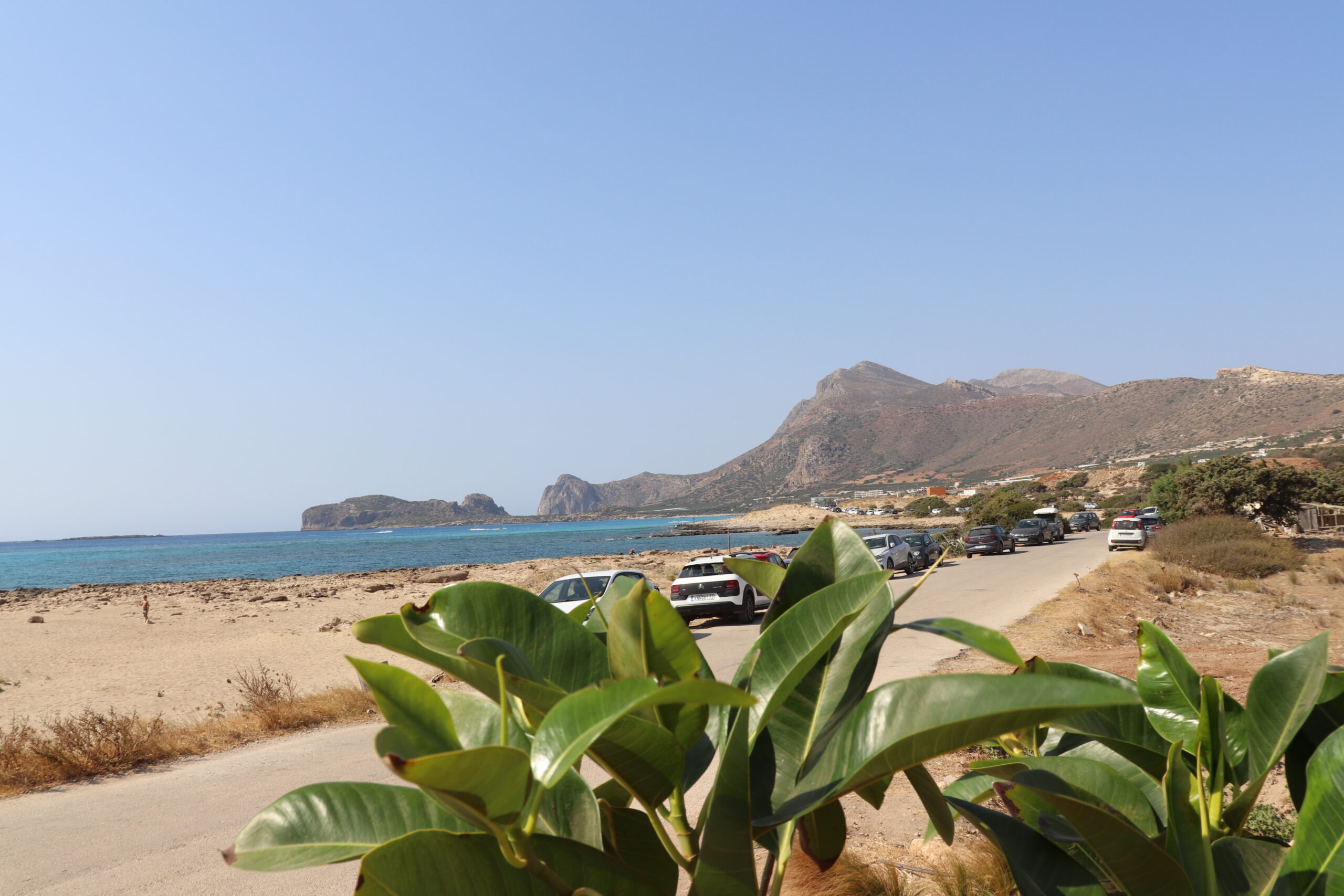
The western part of the island is often known for its dramatic scenery. Mountains, coastal cliffs, and historic harbor towns define much of the landscape.
Travelers who enjoy scenic environments and historic architecture often find this region particularly appealing.
The landscapes here create some of the most recognizable views associated with Crete.
Central Crete for Culture and History
The central part of Crete contains the island’s largest cities and important historical landmarks. This region includes major archaeological sites connected to ancient civilizations.
Urban life is also more visible here, with cities that function as economic and cultural centers of the island.
Travelers interested in historical sites and cultural heritage often spend time exploring this part of Crete.
Eastern Crete for Relaxed Coastal Landscapes
The eastern side of the island often feels calmer and more spacious. Coastal towns are smaller, and tourism tends to be less concentrated.
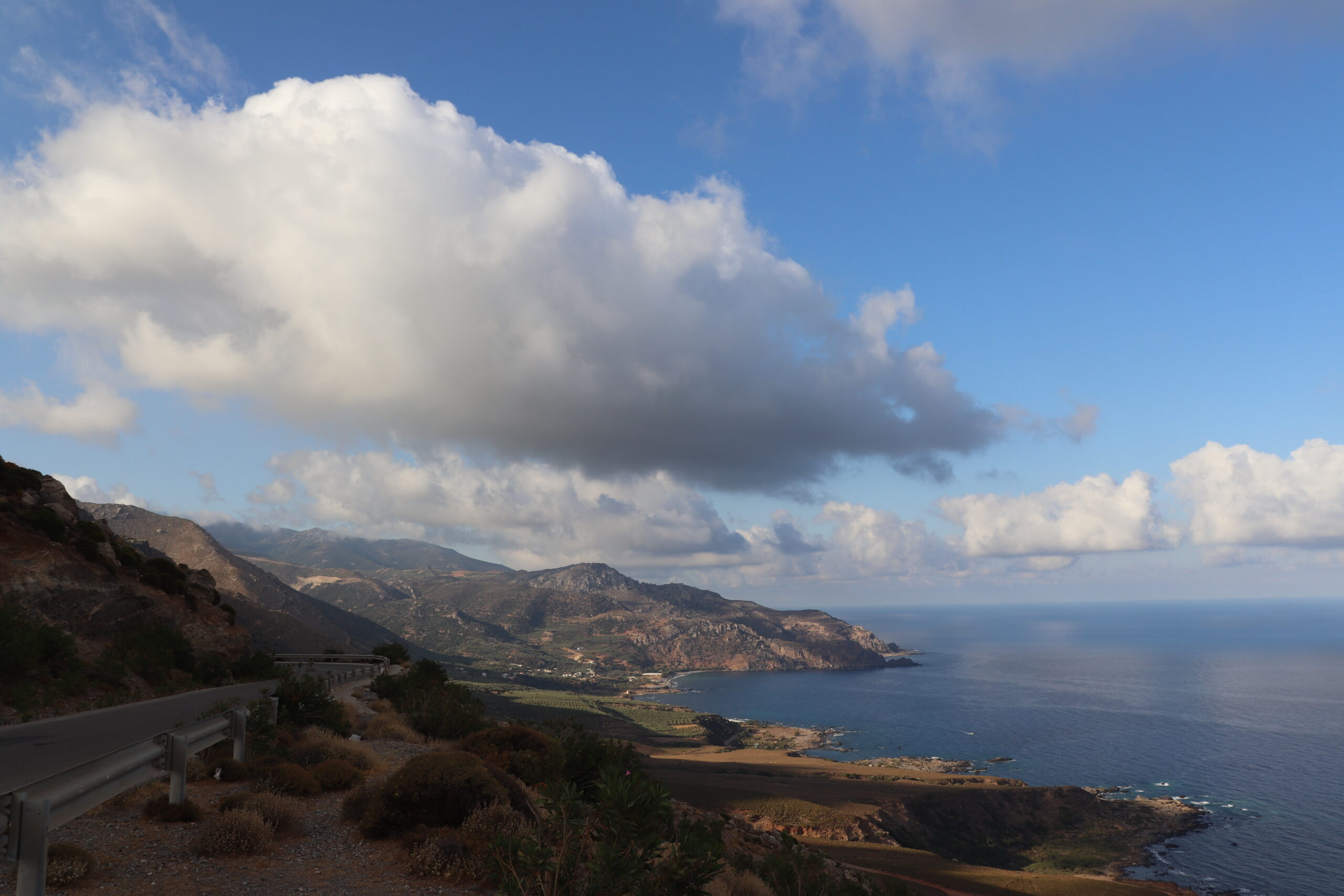
Wide bays, agricultural valleys, and mountain plateaus create a distinctive landscape across the region.
This part of the island appeals to visitors looking for scenic views and a slower travel atmosphere.
Northern and Southern Coasts
The northern coast of Crete contains most of the island’s largest towns, transportation hubs, and tourist infrastructure. Many visitors stay along this coastline because of its accessibility.
The southern coast offers a very different environment. Mountain ranges separate it from the north, and many areas remain quieter and less developed.
Some travelers choose to explore both sides of the island to experience these contrasts.
Consider Your Travel Style
Choosing the right region also depends on the type of trip you want.
- Historic towns and cultural landmarks
- Scenic coastlines and beaches
- Mountain landscapes and rural villages
- Quiet coastal environments
Each region of Crete offers a different combination of these experiences.
Final Thoughts
Crete’s regional diversity is one of the reasons the island feels so varied and interesting. From dramatic western landscapes to relaxed eastern towns, each part of the island presents a unique atmosphere.
Understanding these regional differences helps travelers choose a part of the island that matches their interests and travel style.