Understanding the Nature Structure of Lasithi
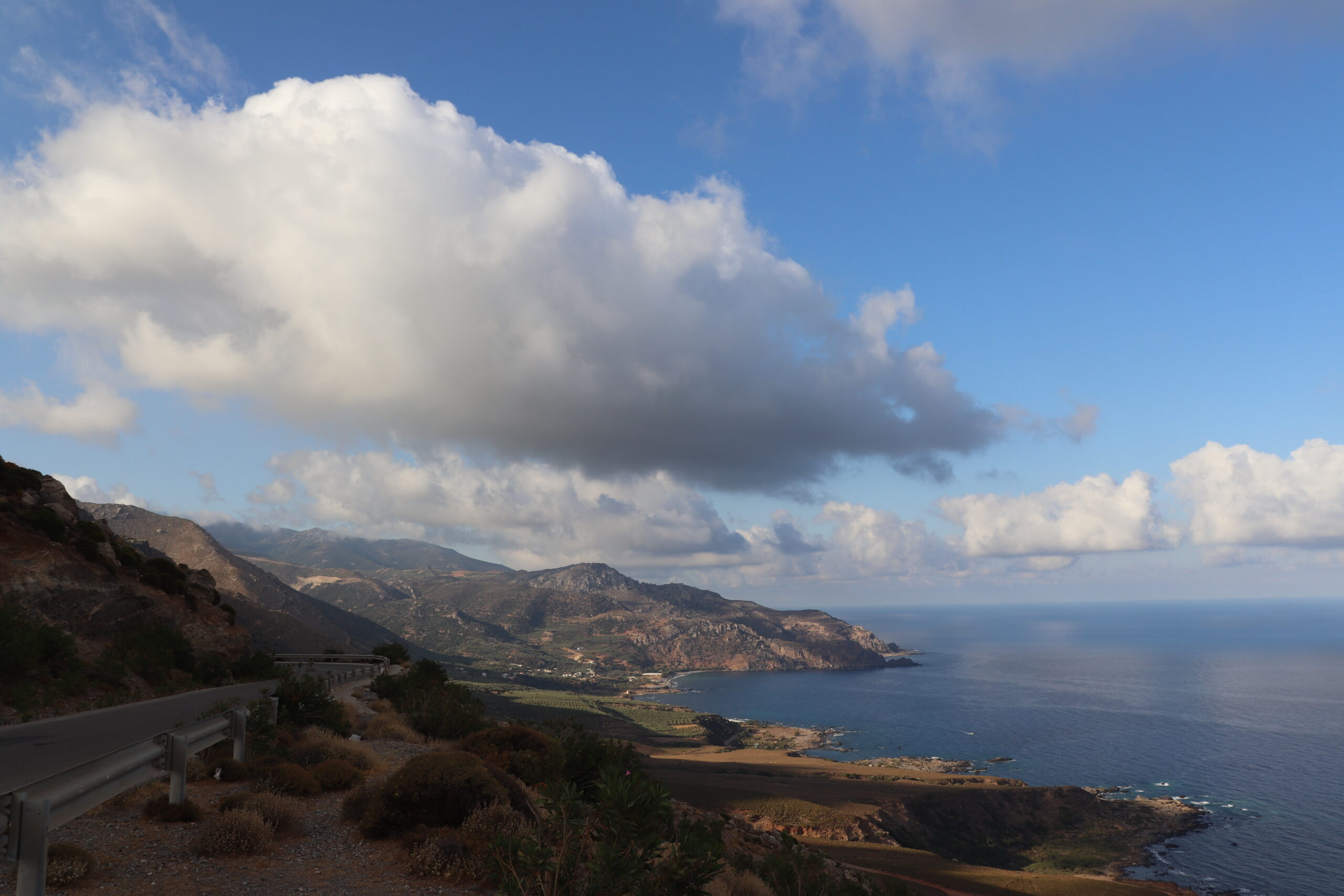
Lasithi is geographically the most rugged and structurally complex region of eastern Crete. Unlike coastal-focused areas, its inland terrain defines the character of the region. Mountains rise sharply from both the north and south coasts, creating deep erosion lines that form gorges and seasonal ravines.
The natural system can be divided into four primary inland zones:
- North-facing shaded gorges
- South-facing dry canyons
- High-altitude mountain ridges
- Forest microclimates at elevation
This combination creates strong contrasts within short driving distances.
Gorge Typology in Lasithi
1. Permanent Green Gorges
Example: Richtis Gorge. These contain seasonal water flow, shade, and higher humidity.
2. Dry Limestone Canyons
Examples: Kritsa Gorge, parts of Sarakina. Dominated by rock formations and erosion patterns.
3. Technical Vertical Gorges
Example: Ha Gorge. Steep walls and canyoning-only passages.
4. Transitional Seasonal Gorges
Example: Orino Gorge. Landscape shifts depending on rainfall.
Each type requires different preparation and expectations.
Mountain Systems: Structural Overview
Thripti Mountains
Separate the south coast (Ierapetra area) from the north. Known for exposed ridges and panoramic visibility.
Dikti Mountains (Lasithi Side)
Higher elevations, alpine limestone formations, demanding summit ascents.
Selakano Forest Zone
One of the few large pine forests in eastern Crete, forming a distinct ecological pocket.
Mountain exposure dramatically increases wind speed and sun intensity.
Elevation Impact on Hiking Conditions
Temperature decreases approximately 0.6°C per 100 meters of elevation gain. This makes high mountain zones significantly cooler than coastal areas.
- Sea level (Ierapetra / Sitia): hottest
- Mid-elevation gorges: mixed shade
- 800m+ mountain zones: cooler but wind-exposed
Altitude planning is essential in summer months.
Seasonal Risk Matrix
Spring
- Strongest waterfall flow
- Stable hiking temperatures
- Best vegetation density
Summer
- Heat risk in dry gorges
- Dehydration risk increases
- Mountain routes preferable
Autumn
- Dry terrain
- Reduced daylight hours
- Stable but less scenic
Winter
- Flash flood risk
- Possible snow in Dikti Mountains
- Unstable access roads
Infrastructure Reality
Lasithi inland nature is minimally developed.
- Limited signage
- No rescue stations inside gorges
- Inconsistent mobile signal
- No structured visitor centers in mountain zones
Navigation tools and offline maps are recommended.
Water Availability
Water sources are rare in mountain areas and seasonal in gorges.
- Richtis: seasonal flow
- Milona: rainfall-dependent
- High ridges: no water access
Carry more water than expected.
Route Selection Strategy
- Beginner hikers → Short shaded gorges
- Moderate level → Sarakina / partial canyon walks
- Experienced hikers → Dikti & Thripti ridge routes
- Experts only → Full Ha Gorge descent
Self-assessment is critical.
Logistics Planning
- Two-vehicle planning for linear gorges
- Check road conditions for mountain access
- Start early in warm seasons
- Monitor wind forecasts for ridge hikes
Environmental Responsibility
- No marked waste collection inland
- Fragile limestone ecosystems
- Fire risk in summer
- Do not alter natural water pools
Psychological Reality of Inland Hiking
Lasithi nature feels remote. Trails may appear abandoned. There are long silent sections without human presence.
This isolation is part of the region’s character but requires mental preparedness.
Comparison With Western Crete
- Less infrastructure than Samaria region
- Fewer organized tours
- More independence required
- Drier landscapes overall
Lasithi rewards planning rather than spontaneity.
Final Strategic Evaluation
Lasithi Nature & Gorges represent the most rugged inland terrain in eastern Crete. Success depends on choosing the correct season, realistic route difficulty, water planning, and understanding that most areas operate without tourism support systems.