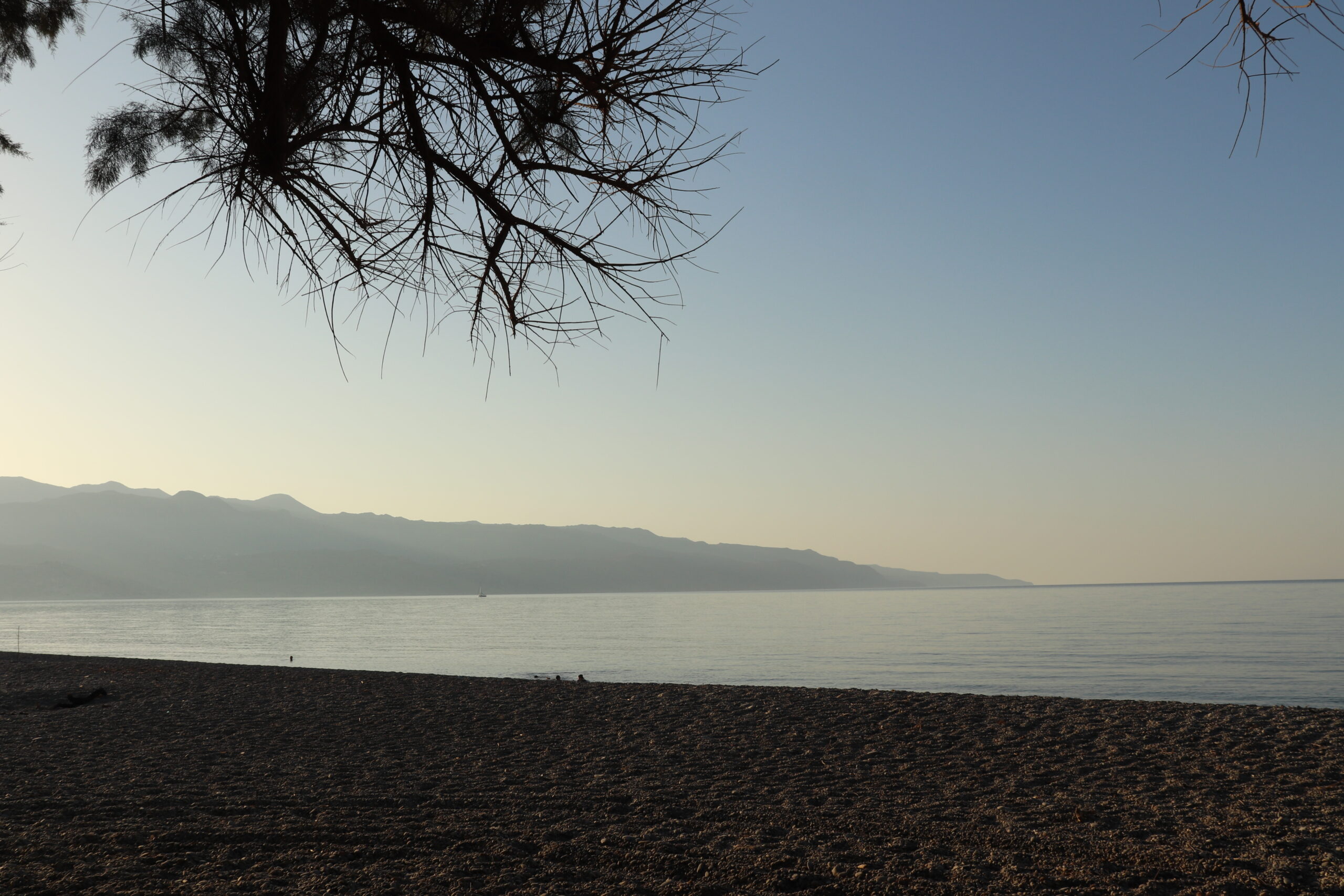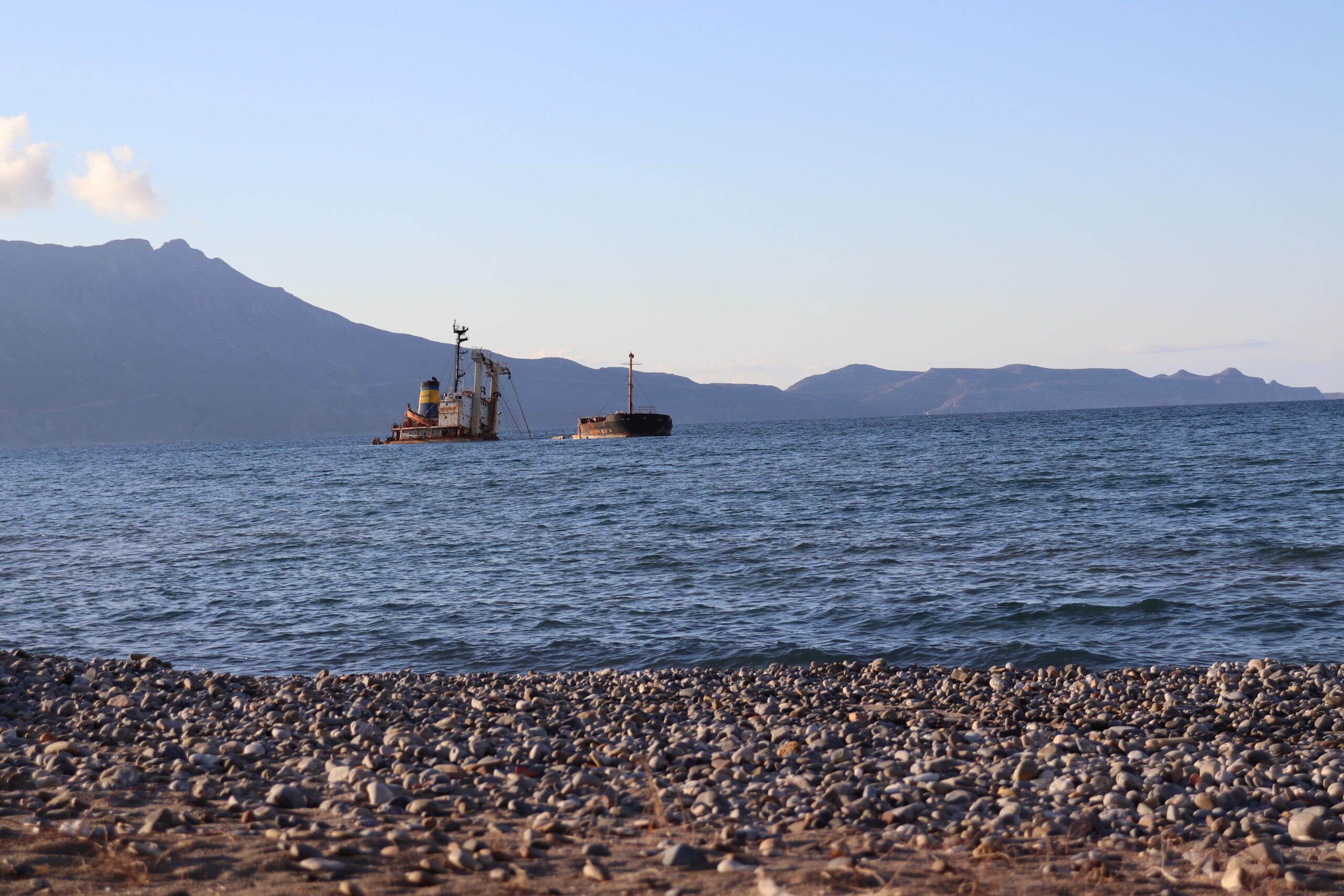
Sitia is comfortable because you do not move every day. Day trips work best when used occasionally — not as a daily plan but as variation between calm days.
Short Drives (Up to 20 Minutes)
These trips feel like extensions of the town rather than excursions. You leave after breakfast and return before evening routine.
- nearby coves
- quiet coastal spots
- short viewpoints
Half-Day Trips
Longer drives add scenery but still allow dinner back in town. They fit days when you want change without effort.
- eastern coastline
- small villages
Full Day Exploration
Occasionally you may want a full change of landscape. These days feel more like travel days than rest days, so spacing them improves the stay.
How Often to Leave
Most visitors enjoy Sitia more when trips happen every second or third day. Constant movement removes the advantage of staying here.
Planning Principle
Choose direction in the morning depending on energy level rather than fixing a schedule before arrival.
Returning Matters
The value of trips comes from returning to the same base. Without that contrast, Sitia feels like a transit point instead of a resting place.
Choosing Direction by Mood
Instead of fixed plans, many visitors decide the direction in the morning. Energy level often matters more than distance.
- low energy — nearby coast
- moderate — village drive
- high — longer landscape route
Combining With Normal Day
Good trips still leave time for evening routine. Leaving early and returning before sunset keeps the town feeling like home base.
Weather Adjustment
Wind or heat often determines the best direction. A short drive can completely change conditions without requiring long travel.
Typical Mistake
Planning a trip every day turns Sitia into a stopover instead of a stay. The place works when movement alternates with repetition.
Simple Rule
If you feel rested, go further. If you feel relaxed, stay closer. Matching distance to mood keeps the balance.
How Long a Trip Should Feel
From Sitia comfortable trips usually feel short. When driving becomes the main activity, the benefit of the base disappears.
- under 20 minutes — extension of the day
- 20–45 minutes — half-day change
- over 1 hour — travel day
Example Trip Day
A balanced outing often looks like this:
- morning departure
- one main stop
- swim or walk
- return mid-afternoon
- evening in town
Why Returning Early Helps
Coming back before evening keeps routine intact. If you return late, the day feels separate and the base loses its calming effect.
Spacing Trips
Two calm days between outings usually feels natural. Back-to-back travel days often create fatigue instead of variety.
Days Better Spent in Town
Not every day needs a destination. Some of the most comfortable days happen when you cancel a planned trip and keep the normal routine.
- very hot weather
- low energy mornings
- late evenings the day before
Staying in town on these days often feels better than forcing movement.
Recognizing Travel Fatigue
If you start checking distances more than enjoying places, it usually means the stay needs a quiet day. Sitia works best when movement stays optional.
Balance Rule
Trips add contrast, but calm days create comfort. The base only works when both exist.