If you want to understand the island’s natural geography, start with the main Crete Nature & Landscapes guide which explains the major landscapes across Crete.
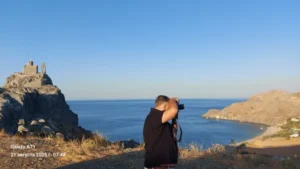
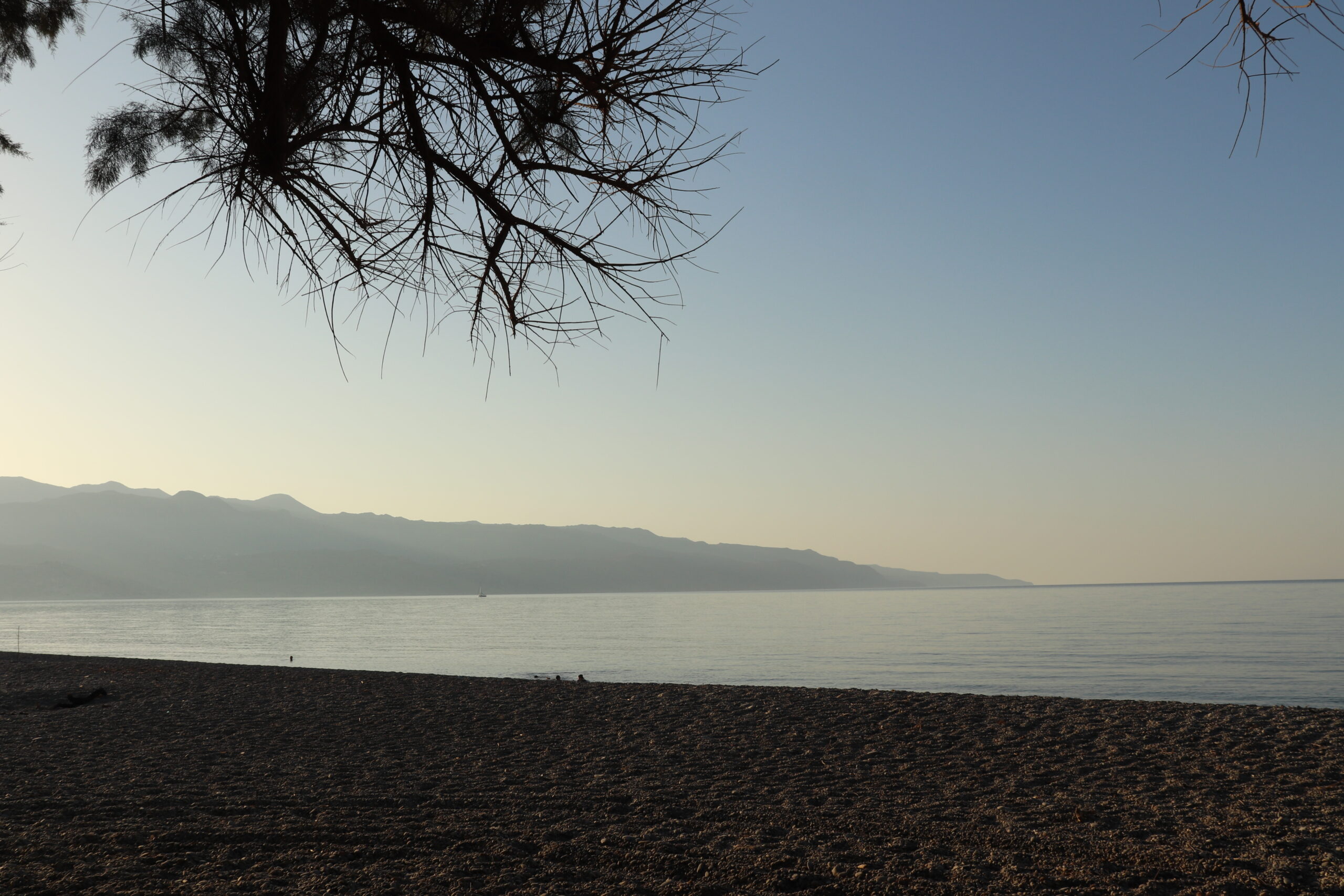
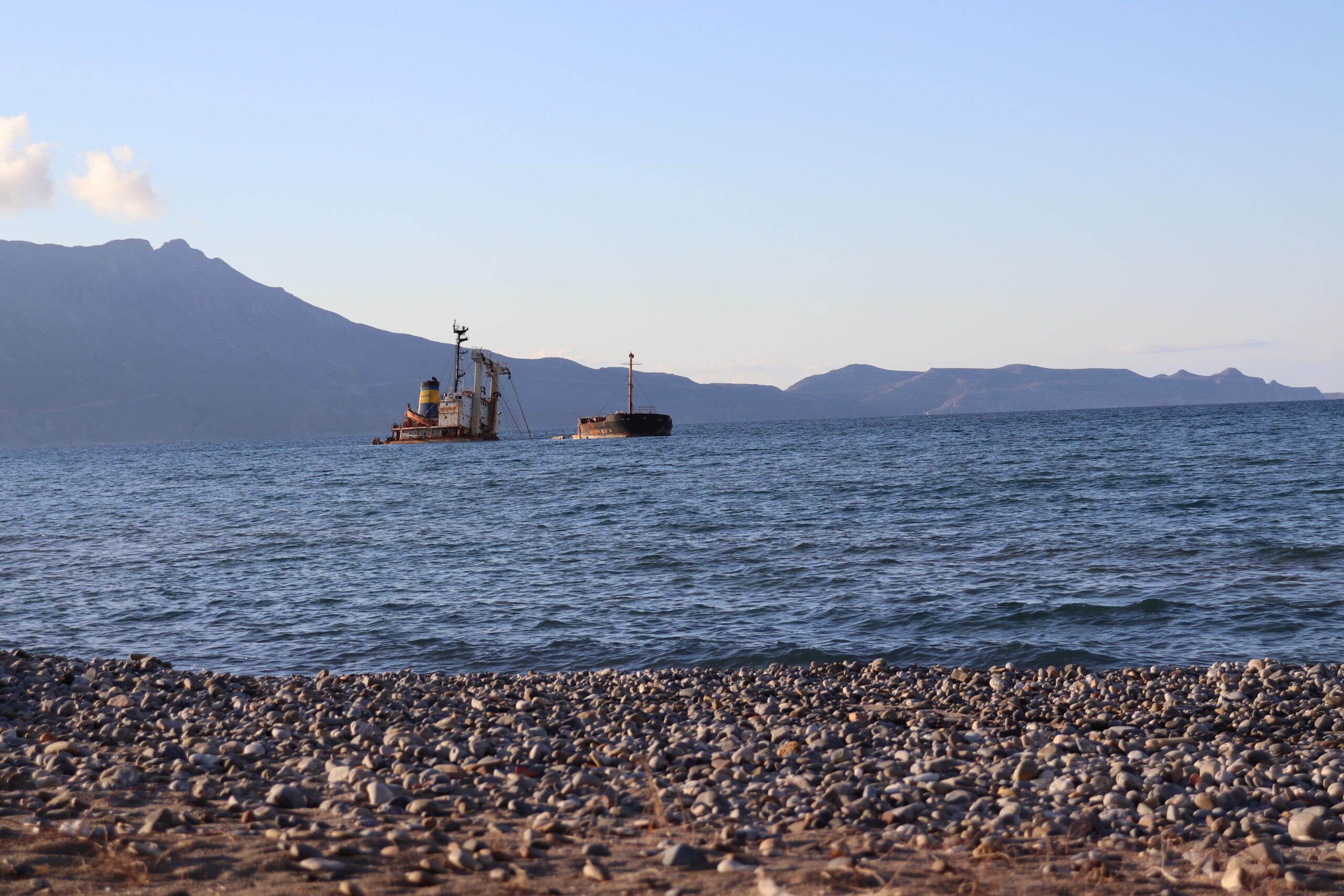
The south coast of Crete offers a very different landscape compared with the northern side of the island. Here mountains rise close to the shoreline, creating dramatic scenery where steep slopes descend toward the Mediterranean Sea.
This region contains some of the island’s most rugged and natural environments.
Mountains Reaching the Sea
One of the defining features of southern Crete is the way mountains extend almost directly to the coastline. Unlike the broader plains of the north, the terrain in the south is often steep and rugged.
These mountains create dramatic cliffs, narrow valleys, and remote coastal landscapes.
The transition from high mountains to the sea can occur over very short distances.
Remote and Wild Coastlines
Many parts of the south coast remain relatively undeveloped. The difficult terrain has limited large-scale construction and tourism infrastructure.
As a result the coastline often appears more natural and untouched.
These landscapes create a sense of isolation compared with more developed regions of the island.
Gorges Reaching the Sea
Several gorges carved through the mountains extend all the way to the southern coastline. Over time rivers have cut deep channels through the rock.
These gorges connect mountain regions with the sea and form natural corridors through the landscape.
The result is a dramatic combination of cliffs, valleys, and coastal scenery.
Rocky Cliffs and Coastal Formations
Cliffs appear frequently along the south coast where mountain slopes drop toward the sea. These rock formations create impressive coastal scenery with strong contrasts between stone and water.
The cliffs may rise steeply above small bays or narrow beaches.
This rugged terrain contributes to the wild character of the region.
Small Valleys and Coastal Plains
Between mountain ridges small valleys sometimes open toward the coast. These areas often contain villages, agricultural land, or small riverbeds.
The presence of freshwater allows vegetation to grow more easily in these valleys.
This creates small green landscapes surrounded by mountains.
Climate and Natural Conditions
The climate along the south coast is influenced by both the sea and the surrounding mountains. In some areas winds from the north lose strength after crossing the mountain ranges.
This can create slightly different weather conditions compared with the northern coastline.
The region often experiences strong sunlight and dry landscapes.
Natural Diversity
The south coast combines several natural elements including mountains, gorges, cliffs, and coastal plains. These landscapes interact to create diverse environments across the region.
Traveling along the south coast reveals dramatic changes in scenery over relatively short distances.
This variety contributes to the unique character of southern Crete.
Quiet Natural Environments
Because many areas remain less developed, parts of the south coast retain a quiet atmosphere. The surrounding mountains and remote terrain create a strong connection with nature.
These environments highlight the wild side of Crete’s landscape.
The contrast between mountains and sea remains the defining feature of this region.
Conclusion
The south coast of Crete offers some of the island’s most dramatic natural landscapes. Mountains descending toward the sea create cliffs, gorges, and remote coastlines.
This rugged geography reveals another side of Crete’s diverse natural environment.