Tersanas Beach, Crete – Calm Bay Guide for Swimmers and Fishermen
Tersanas Beach is a small, sheltered bay on the Akrotiri peninsula near Chania. It looks simple on the map – just another sandy cove – but in reality it has two very different faces: a calm family beach inside the swimming area and a rugged, rocky coastline to the right where local fishermen, like me, come with a rod when the crowds disappear.
If you are staying in Chania, Agia Marina, or Platanias and looking for a protected spot with soft sand, easy access and a “local” feeling, Tersanas is a solid choice. And if you love fishing or just want to see the wild, rocky side of the bay, the right-hand side of the cove will be very interesting for you.

Why Tersanas Beach Is Special
Tersanas is not a big, famous “postcard” beach like Balos or Elafonisi. Instead, it is a compact, protected bay that feels more like a neighborhood beach for locals and families. The water is usually calm, there is sand under your feet in the swimming area, and the small scale of the place makes it feel intimate and relaxed.
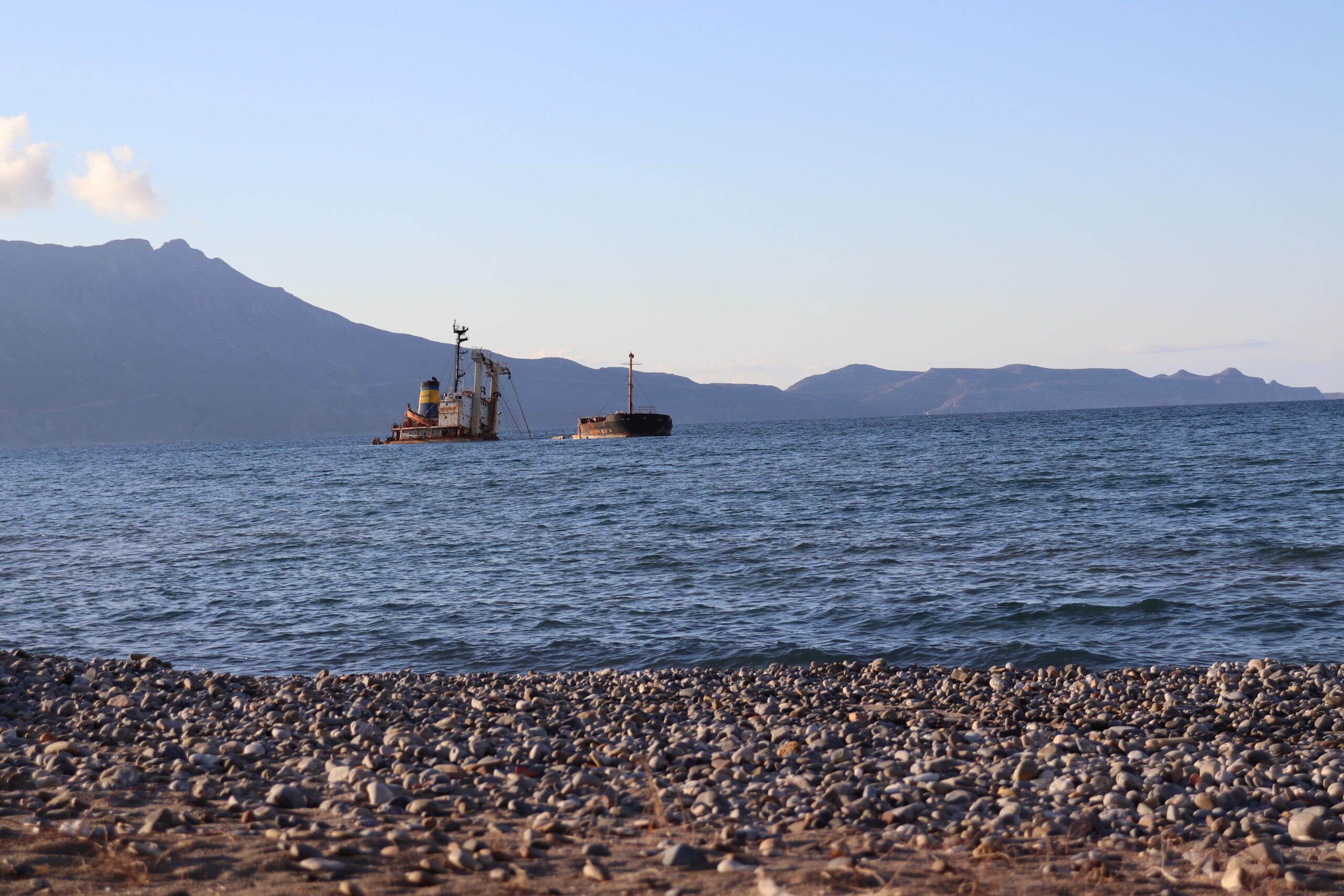
At the same time, just a few meters away, on the right side of the bay, the landscape changes completely: rocks, small private piers, ladders into deep water and a rough seabed that eats fishing hooks. This contrast – gentle sandy bay vs. rugged rocky coastline – is what makes Tersanas really interesting.
Where Is Tersanas Beach and How to Get There
Tersanas Beach is located on the Akrotiri peninsula, north-east of Chania. It is part of a small coastal settlement close to the village of Chorafakia.
- Distance from Chania Old Town: approximately 13–15 km (about 25–30 minutes by car, depending on traffic).
- Distance from Chania Airport (CHQ): around 9–10 km.
- Nearest village: Chorafakia.
By car: From Chania, follow the road towards the airport and Akrotiri, then turn towards Chorafakia and continue down the road that leads to the sea. The last section is simple and straightforward – you just follow the main road down until you see the bay in front of you.
By bus: In season there may be local bus connections towards the Akrotiri area (Kalathas / Stavros direction). Check the latest timetable in Chania bus station (KTEL), as schedules change from year to year.
Driving tip: Tersanas is often combined with other Akrotiri beaches like Kalathas or Stavros on the same day. The road network on Akrotiri is relatively small, so it is easy to visit two or three bays in one trip.
First Impressions and Beach Layout
When you arrive, you see a small, curved sandy bay with gentle waves and a few rows of sunbeds (in high season). The main swimming area is directly in front of the beach and is mostly soft sand underfoot, especially in the shallow part where children play.
Inside the marked swimming zone, the bottom is sandy and the water is relatively clear, especially near the shore where it is shallow. As you move closer to the line of buoys that mark the limit for swimmers, the depth increases, and beyond this line the character of the seabed changes completely.

Swimming Conditions
Water Depth and Transparency
In the shallow central area, the water is usually clear and light turquoise on sunny days. Children can safely enter the sea and play close to the shore. The slope into deeper water is gradual, but as you approach the outer swimming limit, the depth increases more noticeably.
Beyond the buoys, the seabed becomes rocky and uneven. The water here can look less transparent, especially when it is deeper and the rocks and seaweed below give the water a darker color. For swimmers who like staying close to the shore and within the swimming zone, the sandy part is comfortable and friendly.
Is Tersanas Beach Safe for Families?
Yes, inside the sandy bay Tersanas is generally safe and suitable for families:
- Soft sand in the main swimming area.
- Shallow water near the shore.
- Usually calm sea thanks to the protected position of the bay.
However, parents should always watch children near the buoy line, because the depth changes and there may be sudden drops closer to the rocky zones outside the marked area.
Best Time of Day and Year for Swimming
During the season (June–September), mornings and late afternoons are the most pleasant times to swim: the sun is softer, the heat is easier to handle, and the beach can feel less crowded compared to mid-day.
Outside the main season – especially on sunny winter days – Tersanas offers a very different experience. The bay can be almost empty, the air feels fresh but mild, and you can have the entire beach nearly to yourself. Winter swimming in Crete is not for everyone, but even just sitting by the water with a jacket, listening to the sea, can be a wonderful experience.
Facilities and Services
Facilities vary slightly from season to season, but usually you can expect:
- Sunbeds and umbrellas (in high season).
- A small beach bar or taverna close to the sand.
- Basic showers for saltwater.
- Toilets, usually connected to the nearby café/restaurant.
The scale is small – don’t expect a massive beach resort. Tersanas feels more like a semi-local, semi-holiday spot where residents of Chania and guests of nearby villas and apartments come for a simple day at the sea.

Right Side Rocks – Quiet Corner for Fishing
The right-hand side of Tersanas is a completely different world compared to the central sandy part. If you walk along the edge of the bay towards the right, the sand gives way to rocks, small artificial platforms and private-looking mini-piers built by local villa owners. Metal or concrete ladders lead directly into deeper water.
For swimmers, this part of the coast offers a more adventurous entrance into the sea. The water here is deeper, darker and less transparent than in the central bay. The seabed is rocky, and you should be careful with your footing, especially when waves or wind make the surface unstable.
For fishermen, this right side is a magnet. I personally came here several times mainly for fishing, not for swimming. Standing on the rocks or using those small private piers, you cast beyond the calm sandy zone into deeper water where the seabed is hard and full of hidden stones.
Locals call one of the common fish here “zaragana” – a long, slender needlefish that moves fast and can be fun to catch. But there is a price: you will lose hooks. The bottom here is full of rocks, and snagging your line is normal. If you plan to fish, bring extra tackle and be ready to sacrifice some gear.
Even though some of these piers belong to villas rented on Airbnb or similar platforms, the atmosphere is usually relaxed. Owners see a local fisherman with a rod and often do not mind, as long as you behave respectfully and keep the area clean. It still feels a bit like “borrowed” space, so always stay polite and discrete.

Seasonal Rhythm – Crowded in Summer, Private in Winter
High Season: Too Busy for Fishing
In the heart of summer, Tersanas can feel very busy. Locals, tourists, families from nearby villas – everyone comes down to the beach to swim and relax. At this time, fishing from the right side becomes almost impossible: too many swimmers in the water, too much movement, and very little space for a quiet cast.
If your main goal is to fish, the high season is not the right time. It is better to focus on swimming, sunbathing and simple beach relaxation.
Off-Season: Quiet Bay for You and the Sea
Outside the main tourist months, Tersanas turns into a completely different place. In late autumn, winter and early spring, especially on sunny days, the bay can be nearly empty. For me, winter on Crete is not about crowds – it is about personal use of the beaches: you, the rocks, the sea and the sky.
The air often feels surprisingly warm when the sun is strong, even in January. I remember swimming here in early January, when the calendar says “winter”, but the body still feels comfortable in the water for a short, refreshing dip. The beach is quiet, the waves are usually gentle, and the only sounds are the sea and the wind behind your back on the rocks.
Parking and Access Tips
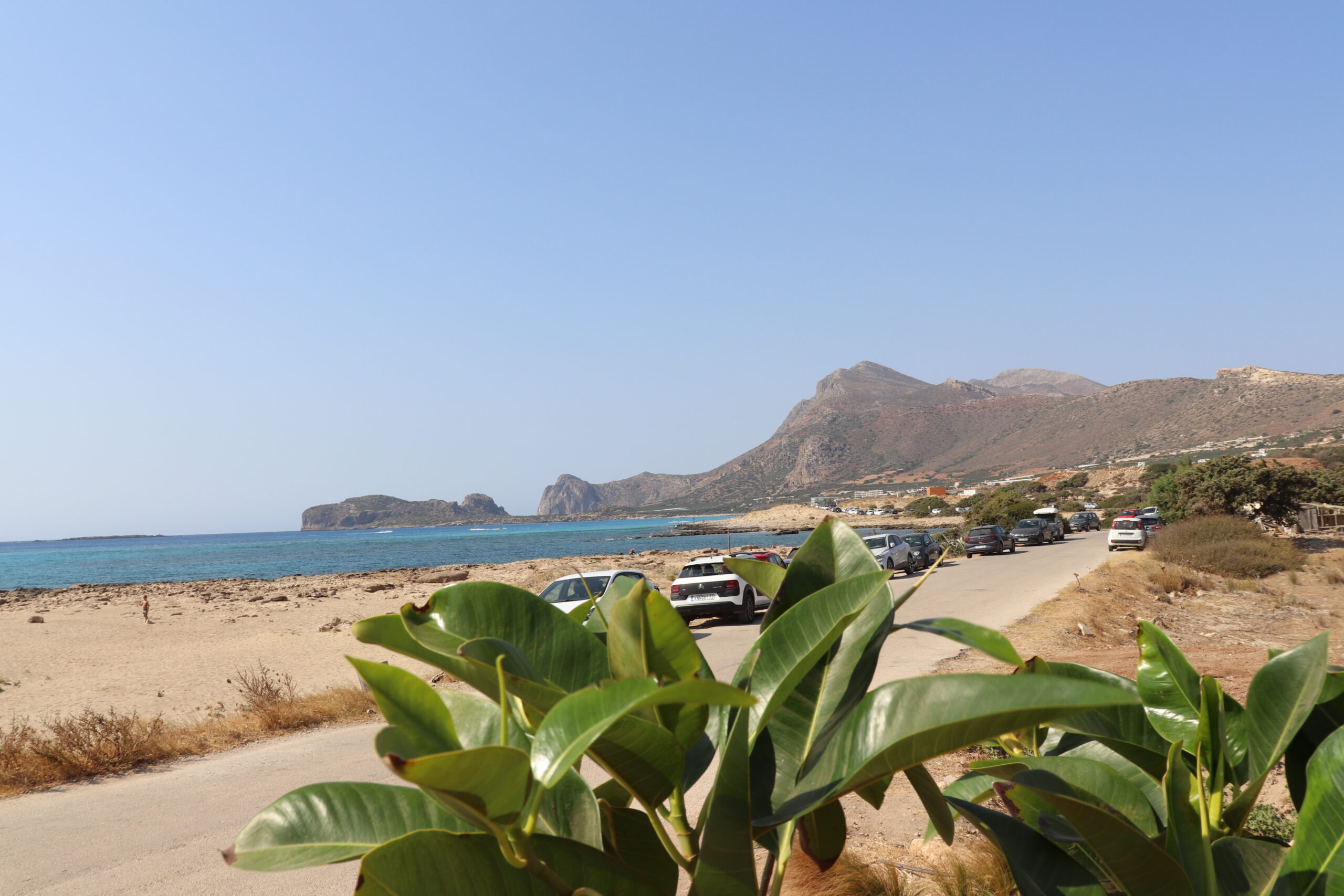
Parking: There is usually space to park near the beach on the small road that leads down to the bay. In high season, arrive earlier in the day to secure a spot, especially on weekends and during August.
Footwear: For the sandy part of the beach, normal flip-flops are enough. But if you plan to explore the right side for fishing or rock swimming, wear something more solid: old sneakers or sturdy sandals. The rocks are rough and can easily destroy soft shoes over time – I personally “used up” more than one pair of sneakers on these rocks.
Access for families: The walk from parking to the sand is short and manageable for children and older visitors. There are no long stairs or difficult paths, which makes Tersanas an easy choice for a half-day trip with the family.
Nearby Beaches and Day Trip Ideas
Tersanas is often visited together with other Akrotiri beaches and spots on the same day. Some ideas:
- Stavros Beach: a famous circular bay with dramatic mountain backdrop, just a short drive away.
- Kalathas Beach: a larger sandy beach on Akrotiri, also popular with locals.
- Chorafakia & local tavernas: combine a swim at Tersanas with lunch or dinner in a nearby village.
Who Will Enjoy Tersanas Beach
- Families with children: for the soft sand and shallow water inside the bay.
- Couples: for a calm half-day escape from Chania without long driving.
- Locals and long-term visitors: who want a small, familiar place rather than a huge resort beach.
- Fishermen: for the rocky right side and deeper water outside the swimming zone.
- Winter travelers: for quiet sunny days when the beach belongs only to you and the sea.
Local Insight — by Zurab Peikrishvili
I did not come to Tersanas to swim at first – I came here to fish. Always to the right side. There, where the sand ends and the rocks begin, the sea becomes deeper, the water looks darker and the bottom turns into a real trap for hooks.
Locals call one of the fish here “zaragana”. On quiet, wind-from-the-back days, you stand on the rock or on a small local pier built by villa owners, cast your line beyond the buoy line and wait. Sometimes the bite comes fast, sometimes the sea is silent, but the rhythm of the place is always the same: gentle waves in front of you, soft wind at your back, and a feeling that time slows down.
I usually fish here outside the high season. In summer there are too many people – locals and tourists – and it is simply not comfortable or safe to cast a line. But in winter, especially on a clear sunny day, Tersanas feels almost private. You stand there alone with your rod, the rocks under your feet, the sea in front of you, and the empty sandy bay on your left.
It is not a beach for big drama. It is a small, quiet piece of Akrotiri where you can bring your family for a calm swim, or your fishing rod for a silent conversation with the sea.
Practical Checklist for Your Visit
- Bring solid shoes if you want to explore the rocky right side.
- Pack extra hooks and tackle if you plan to fish – the rocky bottom will take some of them.
- Arrive earlier in high season to find easy parking.
- In winter, bring a light jacket – the sun can be warm, but the wind can still be cool.
- Combine Tersanas with Stavros or Kalathas for a full Akrotiri beach day.