What Are the Best Things to Do in Crete?
A week in Crete can look very different depending on where you stay and what you enjoy doing. You might spend your days swimming in turquoise water, exploring historic towns, walking through mountain landscapes or discovering traditional Cretan food.
The important thing is to choose activities that make sense from where you’re staying. Here are six experiences worth considering.
1. Explore Crete’s Historic Towns
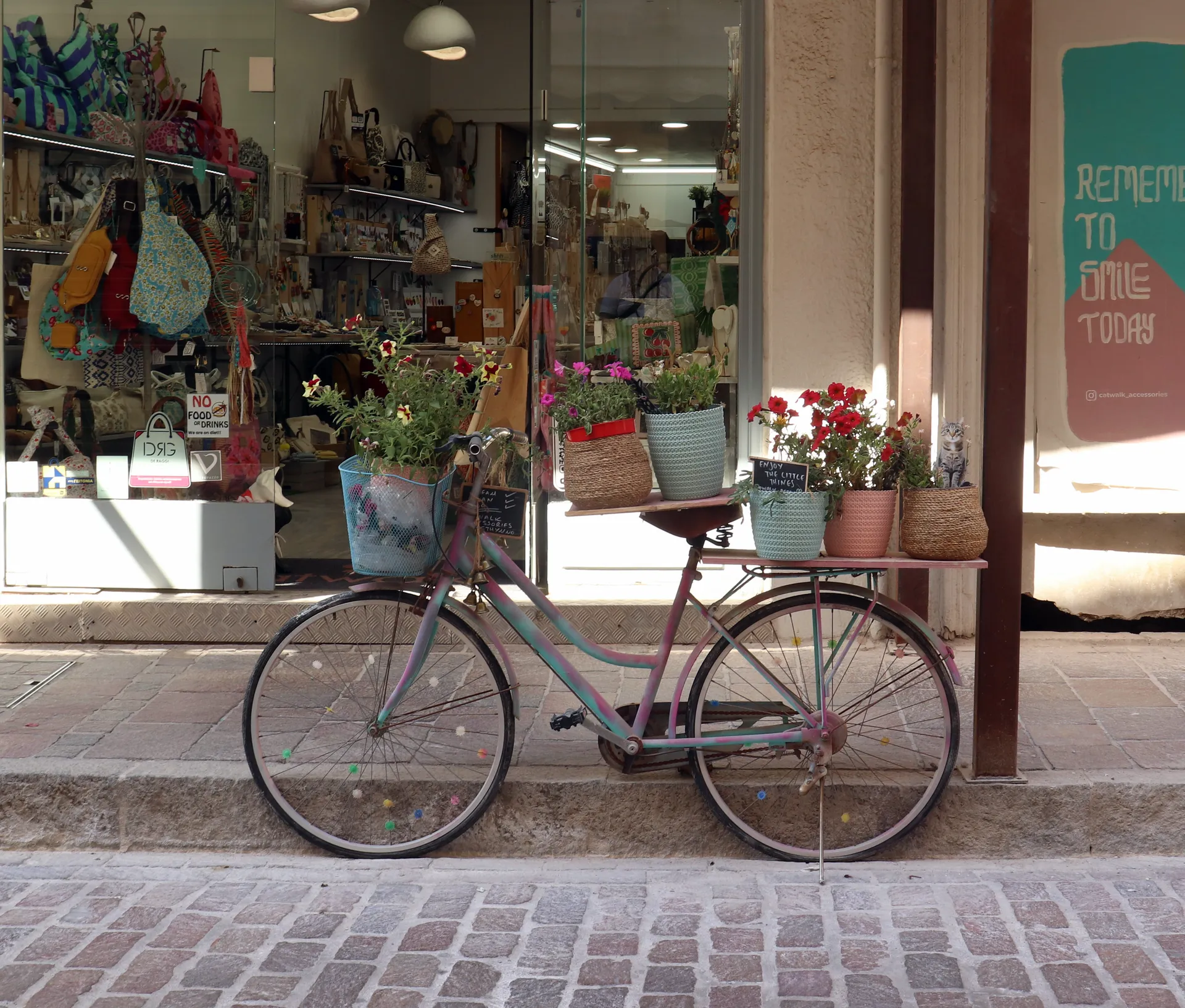
Chania is known for its Venetian Harbour, lighthouse and narrow Old Town lanes. You can spend several hours exploring without needing a fixed itinerary.
Rethymno has its own character, with Venetian and Ottoman influences, the Fortezza fortress and streets full of small shops and cafés.
Heraklion feels different. It’s a busy modern city with historic landmarks, museums and lively pedestrian streets. In eastern Crete, Agios Nikolaos offers a more relaxed waterfront atmosphere around Lake Voulismeni and its nearby harbour.
For atmospheric Old Town walks, start with Chania or Rethymno. Choose Heraklion for city life and history, or Agios Nikolaos for a relaxed seaside day.
2. Spend a Day at the Beach
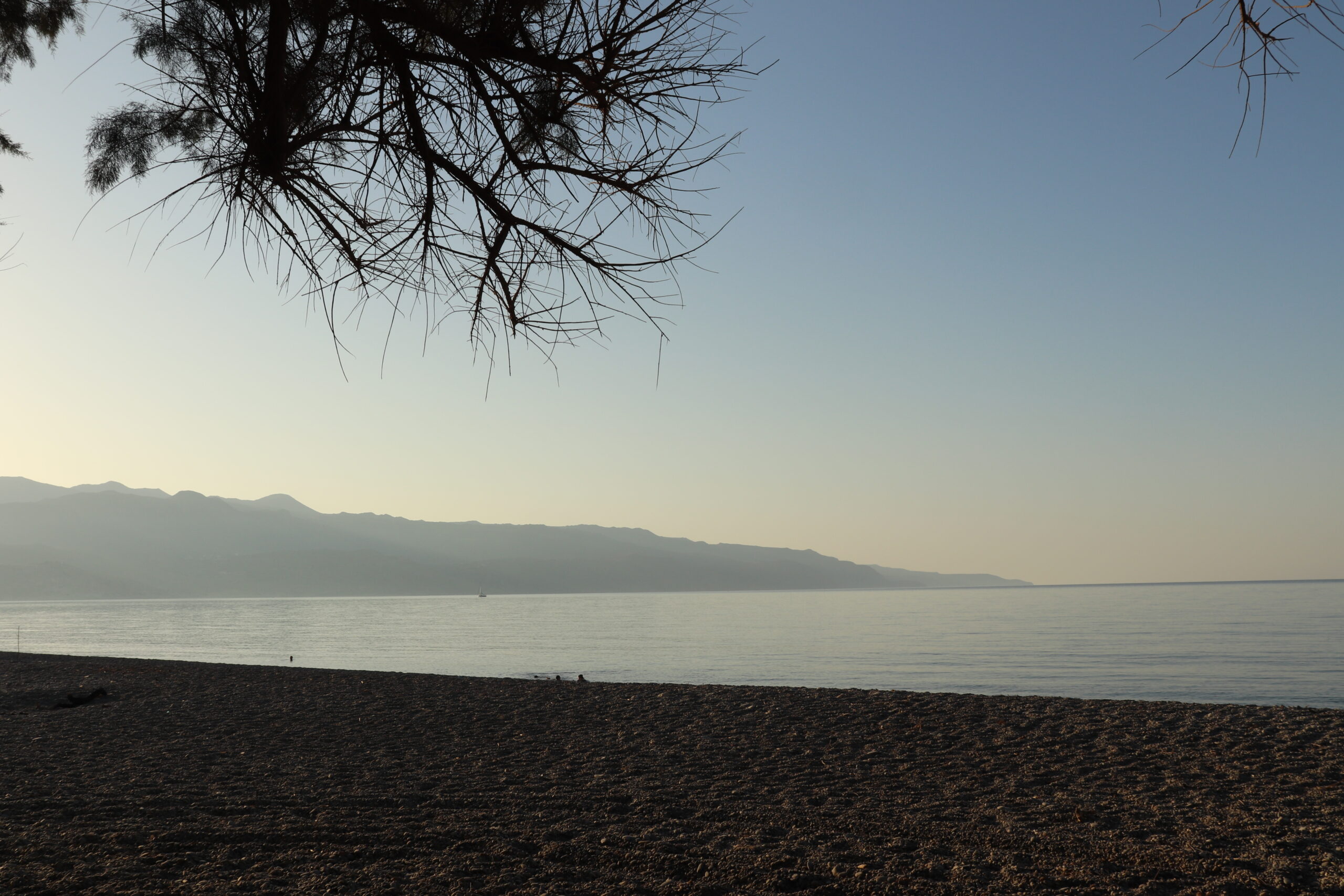
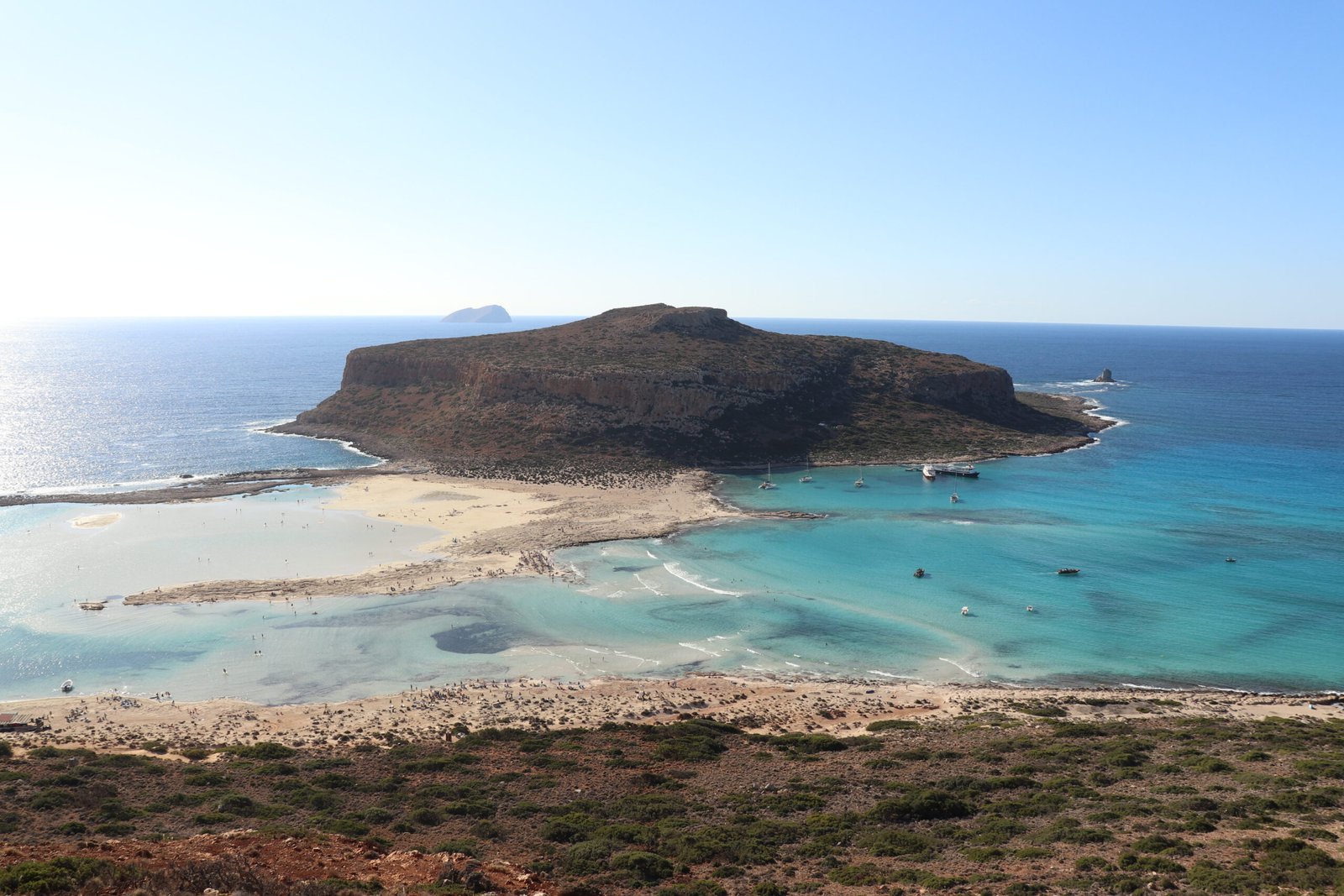
Crete has everything from long sandy beaches to small sheltered coves and dramatic coastal scenery.
In western Crete, Balos, Elafonisi and Falasarna are among the best-known choices. Each offers a different experience, and reaching them can involve a substantial journey.
Around Rethymno, you can enjoy the northern coastline or explore southern destinations such as Plakias. If you’re staying in Heraklion, nearby beaches may be a more practical choice than travelling across the island for a famous lagoon.
In Lasithi, the coastline around Agios Nikolaos and Elounda offers attractive bays, while the Sitia area opens up more of eastern Crete.
Decide how much time you’re willing to spend travelling before choosing a beach. A beautiful beach isn’t necessarily the right beach for your particular day.
3. Discover Ancient Crete
One of the island’s most famous historic sites is Knossos Palace, near Heraklion.
If you’re interested in Minoan civilisation, consider combining Knossos with the Heraklion Archaeological Museum. The palace introduces you to the archaeological site, while the museum helps put many of its discoveries into context.
Crete’s history goes far beyond the Minoans. Chania and Rethymno preserve visible traces of Venetian and Ottoman rule. Elsewhere, you’ll find fortresses, monasteries, historic villages and archaeological sites from different periods.
Start in the Heraklion area for Minoan history, or in Chania and Rethymno for historic streets and architecture you can explore on foot.
4. Experience the Mountains and Gorges
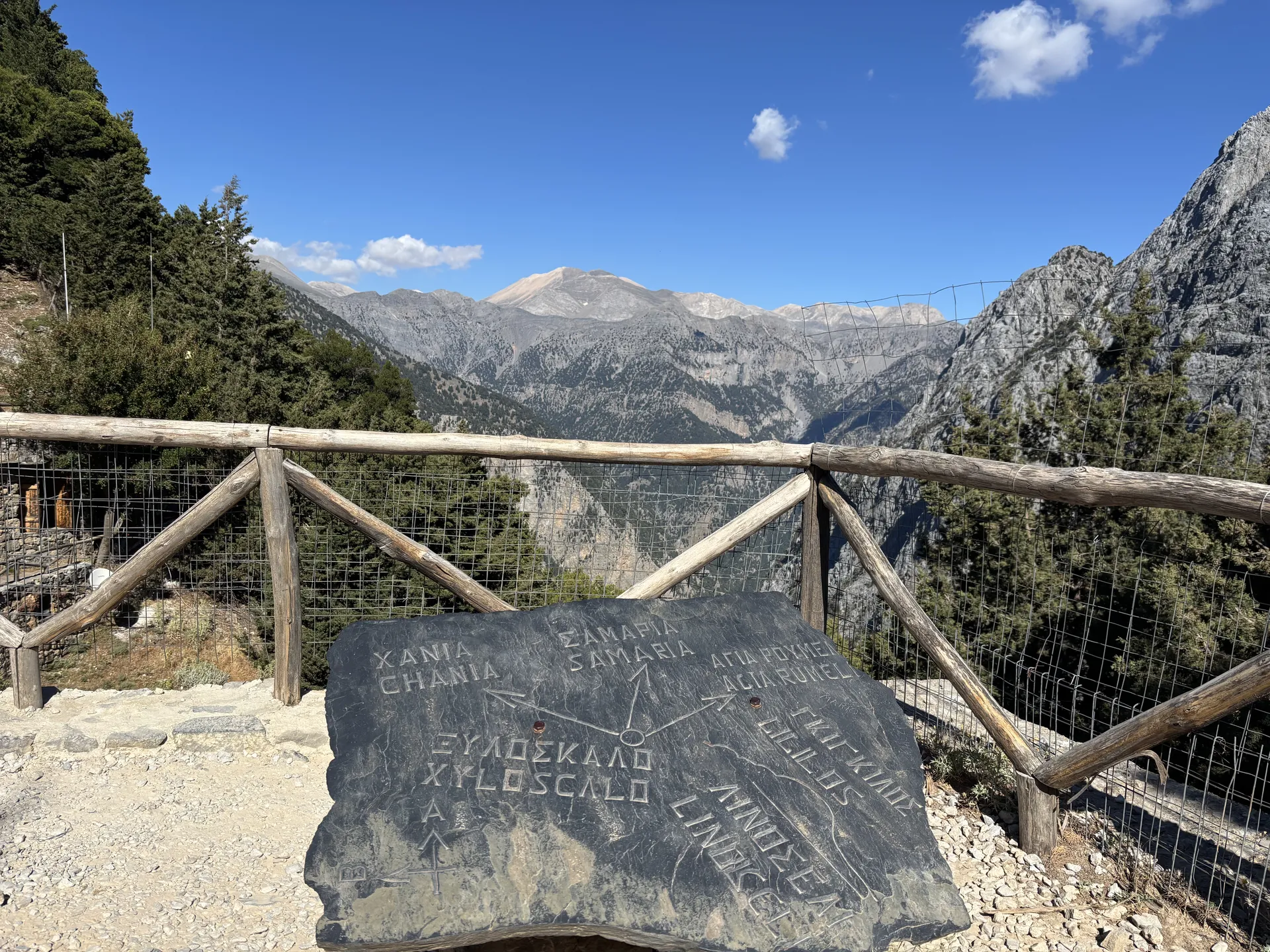
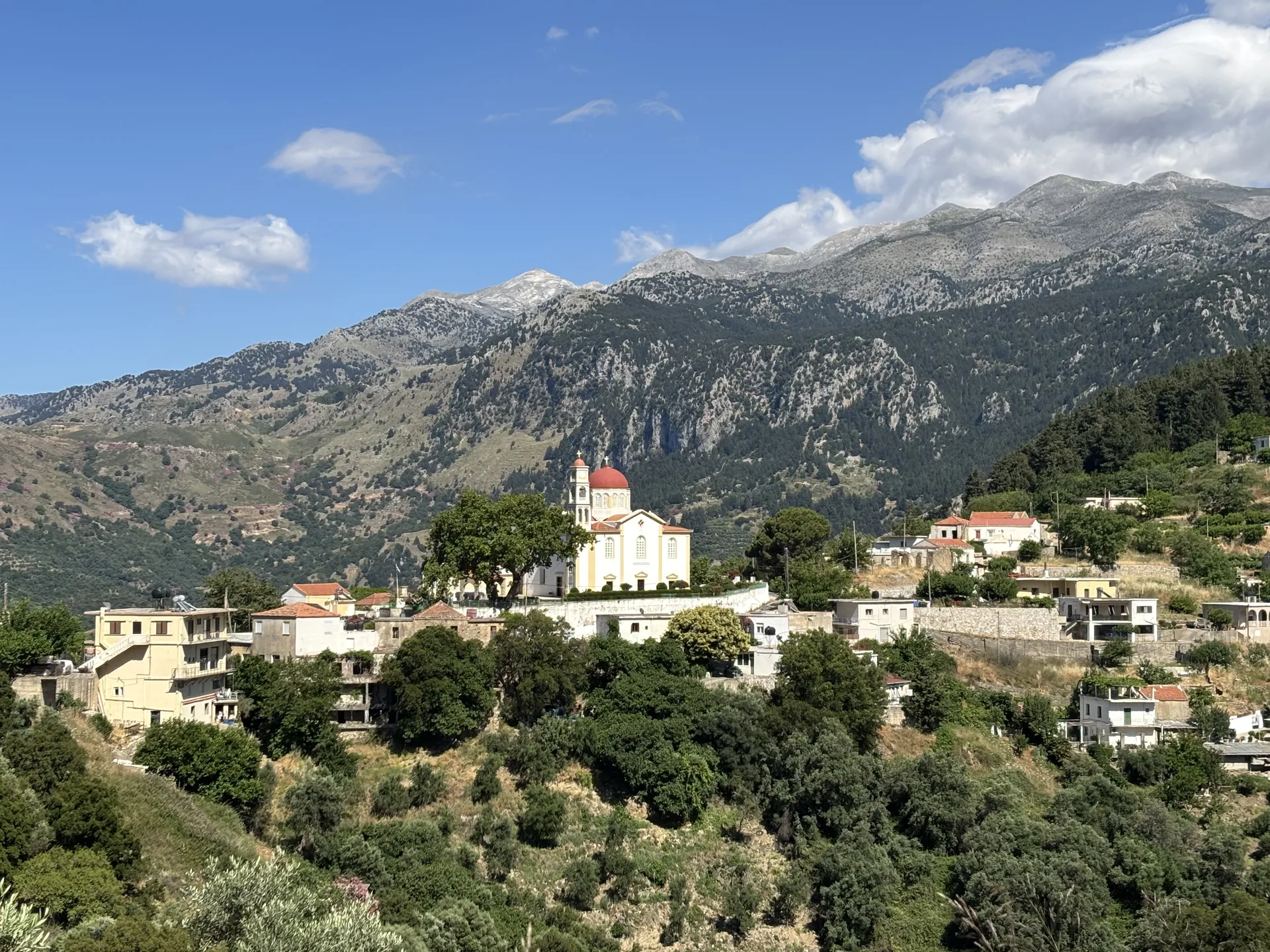
Drive inland from the coast and the scenery changes quickly. Crete’s interior has mountains, deep gorges, traditional villages and walking routes that feel very different from the coastal resorts.
Samaria Gorge is one of the island’s best-known hikes, but it’s a demanding outing rather than a casual walk. Access is seasonal and depends on current weather and trail conditions, so check whether the gorge is officially open before planning your hike. The physical effort and return journey also need careful consideration.
You don’t have to tackle a major gorge to enjoy Crete’s landscapes. A shorter nature walk, a drive through mountain villages or a stop at a scenic viewpoint may be a better fit, especially in hot weather or when travelling with children.
Before choosing a route, consider walking difficulty, elevation changes, heat and how you’ll get back to your starting point.
5. Taste Traditional Cretan Food
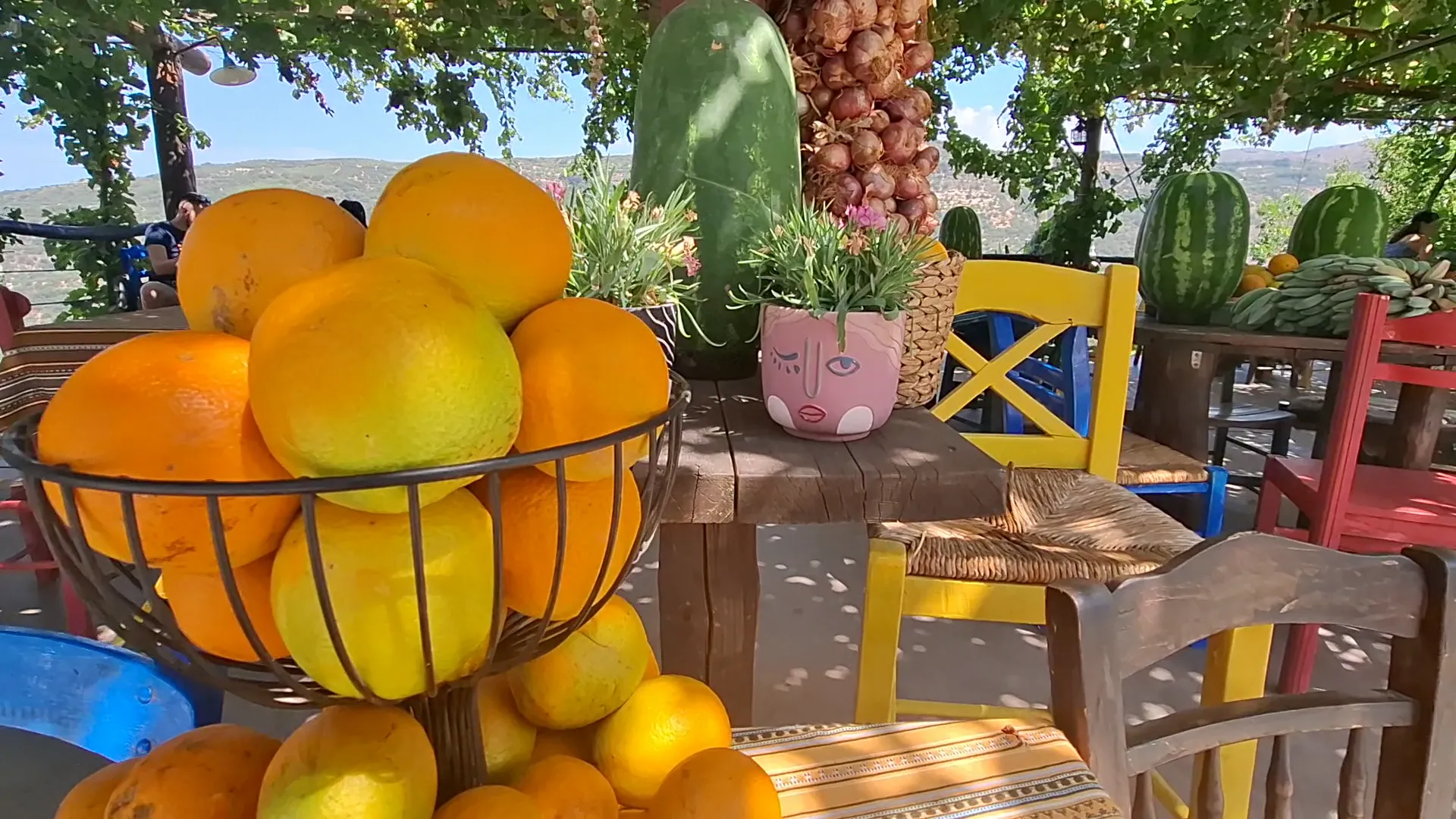
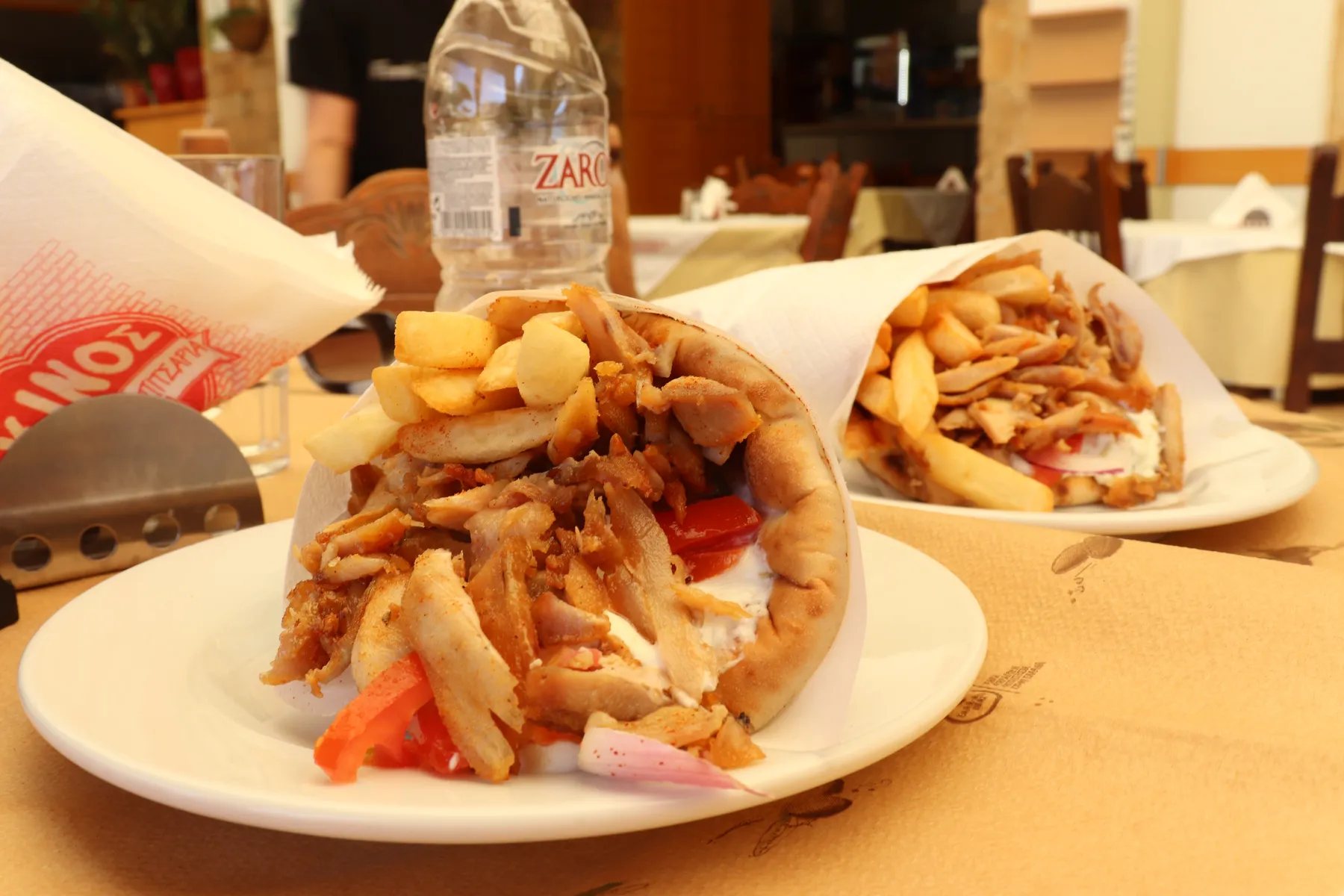
Food is one of the easiest ways to experience the island beyond its beaches. Try dakos, local cheeses, seasonal vegetable dishes, grilled meats and traditional pastries.
Some of the most enjoyable food stops are simple ones: a bakery in the morning, a village taverna at lunchtime or a few local dishes shared over dinner.
If you’re exploring by car, a lunch stop in a mountain village can become part of the day’s experience. Plan your meal around the area you’re already visiting rather than driving a long distance for one restaurant.
6. Visit Smaller Towns and Villages
Some days are better spent away from the island’s busiest sights. You might explore a small harbour, wander through a village, stop for coffee in a quiet square or follow a scenic road into the hills.
These slower experiences work particularly well if you’re staying for a week or longer. Instead of collecting as many stops as possible, choose a few places that fit naturally into the same area.
Where Should You Go in Crete?
Crete stretches a long way from west to east. Staying in Chania, Rethymno, Heraklion or Lasithi changes which attractions are easy to reach.
The four regional guides below will help you explore each area in more detail.
Chania: Old Town, Famous Beaches and Western Crete
Chania is a strong choice if you want to combine historic streets, beaches and dramatic natural scenery. You can spend a relaxed day around the Venetian Harbour, visit beaches along the coast or plan a longer trip towards western Crete’s best-known landscapes.
Balos, Elafonisi and Samaria Gorge are all associated with western Crete, but they aren’t interchangeable day trips. Their access, travel times and physical demands differ considerably.
Best for: atmospheric towns, spectacular beaches, nature and independent exploration.
Rethymno: Historic Streets, Beaches and Varied Day Trips
Rethymno offers a combination of Old Town atmosphere, a long coastal setting and access to different parts of central Crete. You can explore the Fortezza, wander through historic streets or enjoy a slower day near the sea.
Beyond the city, there are opportunities to visit villages, countryside and southern coastal destinations. Rethymno works particularly well if you want a mixture of experiences without changing hotels frequently.
Best for: historic walks, relaxed beach days and varied regional excursions.
Heraklion: Knossos, Museums and Central Crete
Heraklion is particularly appealing if history and culture are high on your list. Knossos Palace and the Heraklion Archaeological Museum are two major reasons to visit, but the city also has historic streets, landmarks, cafés and local food experiences.
You can use Heraklion as a base for exploring nearby beaches and other parts of central Crete. Just remember that a city break, a museum visit and a longer day trip are different kinds of outings.
Best for: archaeology, museums, urban exploration and cultural experiences.
Lasithi: Quiet Bays, Coastal Towns and Eastern Crete
Lasithi covers eastern Crete, including Agios Nikolaos, Elounda, Sitia and Ierapetra.
Here, a day might mean walking along the waterfront in Agios Nikolaos, stopping for a swim near Elounda or taking a longer drive towards Sitia. If you’d like to visit Spinalonga, the Elounda and Plaka area is a practical starting point for arranging the boat crossing.
However, Lasithi is a large region. Staying in Agios Nikolaos doesn’t put every attraction in eastern Crete within easy reach.
Best for: quieter coastal experiences, scenic drives and exploring eastern Crete.
Which Part of Crete Is Best for Your Interests?
On mobile: Swipe left or right to see the full table.
| What you’d like to do | Where to start |
|---|---|
| Wander through beautiful historic streets | Chania or Rethymno |
| Explore Knossos and Minoan history | Heraklion |
| Visit famous beaches such as Balos or Elafonisi | Western Crete / Chania |
| Combine Old Town walks with beach time | Rethymno |
| Discover quiet bays and eastern coastal towns | Lasithi |
| Go hiking or explore mountain scenery | Choose a route based on your location, season and ability |
These aren’t exclusive choices. Every region has beaches, history and natural scenery. The table simply helps you narrow down your options.
Can You Enjoy Crete Without a Car?
Yes, especially if you choose your accommodation carefully. Chania, Rethymno and Heraklion all have central areas where you can explore many attractions on foot.
Public buses can also be useful for reaching certain beaches and nearby towns. However, routes and service frequency vary by region and season, so check current connections before relying on a bus for your day trip.
More remote coves, mountain villages and nature routes are often harder to reach without your own transport. Depending on the destination, you may need an organised excursion, taxi or rental car.
Don’t plan Balos, Knossos and Spinalonga as one ordinary sightseeing day. They’re in different parts of the island, and trying to combine them would mean spending much of your time travelling.
If you’re visiting without a car, start with activities near your accommodation and add longer excursions selectively.
How Many Activities Should You Plan Per Day?
Trying to fit too much into one day is an easy mistake on Crete. A walk through an Old Town, a museum visit and a leisurely dinner can already make a satisfying day. A remote beach or a major gorge hike, on the other hand, may take most of your available time.
- A few hours: an Old Town walk, a museum or a nearby beach.
- Half a day: one main attraction with a manageable journey.
- A full day: a remote beach, a substantial nature route or a longer regional excursion.
These aren’t fixed timings. What matters is the journey from your accommodation, the transport available and how much time you want to spend at each place.
Where Should You Start?
If this is your first visit to Crete, don’t try to see the entire island in one holiday.
Start with the region where you’ll be staying. Choose two or three experiences you’d most like to include during your stay, then build the rest of your plans around them.
Use the regional guides above to find specific places and practical options.
Leave room in your plans for a long lunch, an unexpected stop or simply another hour by the sea. Those moments are part of visiting Crete, too.