If you want to understand how the island is structured, start with the main Crete Regions Explained guide which introduces the four main regions of Crete.
West Crete refers to the western part of the island and is often considered one of the most scenic areas in Crete. The region combines historic towns, dramatic mountains, and some of the island’s most famous beaches.
For many travelers, the western side of Crete represents the classic image of the island. Venetian harbor towns, turquoise coastal waters, and rugged natural landscapes all appear within a relatively compact part of the island.
Geography of West Crete
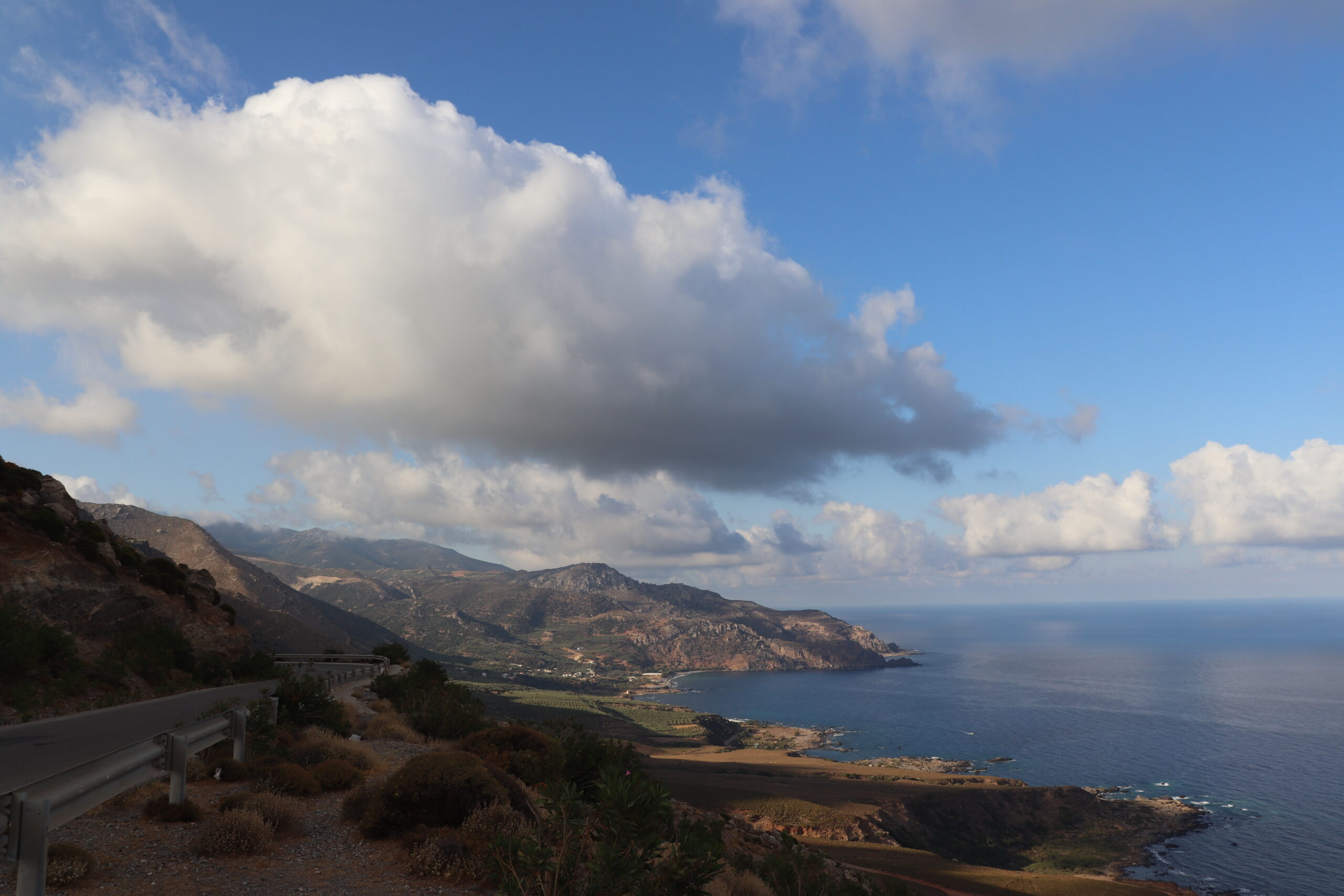
The western part of Crete includes the Chania region and the western areas of the Rethymno region. The landscape is shaped by mountain ranges that run close to the coast.
These mountains create dramatic scenery across the region. Valleys descend toward the sea, and many coastal areas remain relatively wild compared with more developed parts of the island.
The geography of West Crete contributes to the region’s reputation for natural beauty.
Chania and the Historic Harbor
The main city of West Crete is Chania. The town is known for its historic Venetian harbor and narrow streets filled with traditional architecture.
Walking through the old town reveals buildings shaped by Venetian, Ottoman, and Greek influences. The harbor area remains one of the most photographed places on the island.
The town also serves as a base for exploring nearby beaches, mountain villages, and natural landscapes.
The White Mountains
The Lefka Ori, or White Mountains, dominate much of the interior landscape of western Crete. These mountains form one of the largest and most rugged mountain ranges on the island.
High peaks, deep gorges, and isolated plateaus create a dramatic environment that contrasts with the nearby coastline.
The mountains also influence the climate and ecosystems of the region.
Famous Beaches of Western Crete
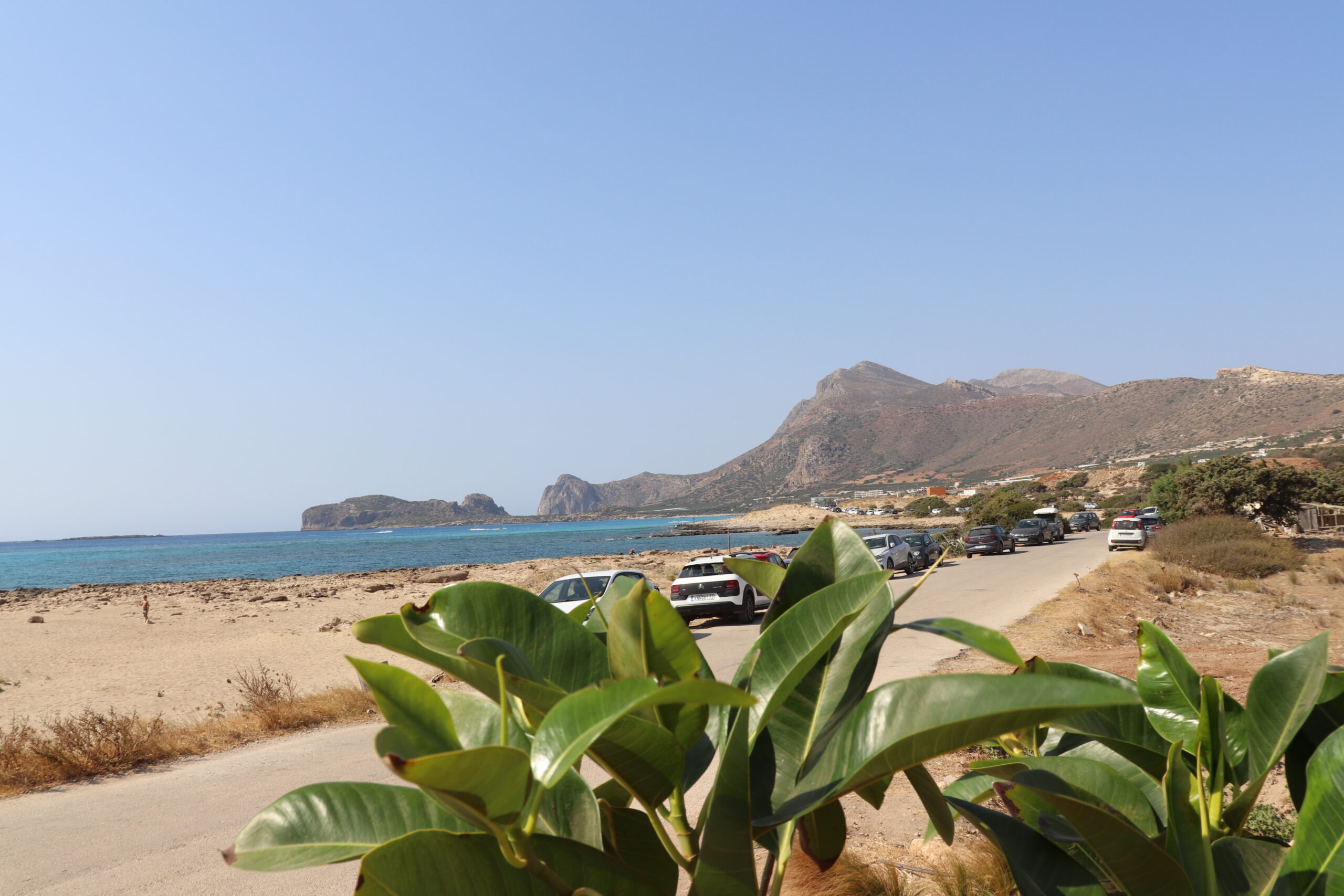
Several of the most famous beaches in Crete are located in the western part of the island. These coastal areas attract travelers who want to experience unique landscapes and clear water.
Some beaches form large lagoons with shallow water and white sand, while others stretch across open coastlines facing the western horizon.
Because of the rugged geography of the region, reaching some beaches requires longer drives or walking routes through natural terrain.
Southern Coast of the Region
The southern coastline of West Crete presents a different environment compared with the northern side of the island. Small villages and quiet beaches line the coast beneath steep mountain slopes.
These areas often feel remote and peaceful. The atmosphere is slower and less developed than the northern resort towns.
Travelers who explore the southern side of the region often experience a quieter side of Crete.
Why Many Travelers Choose West Crete
West Crete offers a combination of historic towns, mountain landscapes, and famous beaches within one part of the island.
This diversity allows visitors to experience several different environments during a single stay. Many travelers choose the region because it provides access to natural landscapes and cultural landmarks at the same time.
Final Thoughts
West Crete represents one of the most scenic parts of the island. Historic towns, dramatic mountains, and beautiful coastlines combine to create a diverse travel environment.
For visitors who want to explore both natural landscapes and historic towns, the western side of Crete offers a memorable introduction to the island.