August is the busiest time to visit Crete, with July not far behind. But the island doesn’t feel crowded everywhere, and a busy beach in August can be almost deserted by November. If you’re planning a holiday, here’s what to expect — and how to enjoy Crete without spending your days searching for parking or a place on the beach.
When Is Crete at Its Most Crowded?
July and August are the busiest months in Crete, with August generally feeling the most crowded.
International visitors arrive for their summer holidays, while many Greeks also head to the island during their August break. Around mid-August, especially near the August 15 public holiday, popular resorts and beaches can feel particularly busy.
But there’s an important distinction: Crete itself isn’t full. Certain places are.
You might find a packed beach, a busy waterfront restaurant and a long line of parked cars — then drive inland and discover a completely different atmosphere.
If you’re still choosing your dates, our Best Time to Visit Crete ↗ guide covers the wider seasonal picture.
Where Will You Notice the Crowds Most?
Summer crowds are most noticeable at Crete’s popular beaches, resorts and historic centres.
Famous beaches such as Balos and Elafonissi attract people from across the island. Popular resort areas, including Platanias and Agia Marina near Chania, are especially lively during the main holiday season.
Chania Old Town is another good example. Its harbour and narrow streets are wonderful places for an evening walk, but in August you won’t be the only person with that idea.
The experience depends on where you go and when you arrive.
A busy resort isn’t necessarily a bad choice. Some people love the atmosphere, the restaurants, the music and the feeling that summer is in full swing. Others would rather have a quieter beach and a more relaxed dinner.
Neither preference is wrong. You just need to know what you’re booking.
Even the Time of Day Makes a Difference
Visiting a popular beach at 9 in the morning can feel very different from arriving around midday.
By late morning, more visitors have arrived, parking becomes harder and the most convenient beach spots may already be taken.
My advice is simple: if there’s a famous beach you really want to see, make it an early start rather than something you squeeze into the afternoon.
The same applies to sightseeing. Exploring Chania or Rethymno in the morning can be more comfortable than walking through the busiest central streets later in the day.
You don’t have to avoid popular places. Sometimes changing the hour is enough to make the experience much more enjoyable.
What Happens After the Summer Crowds Leave?
This is one of the biggest contrasts I’ve noticed living on Crete.
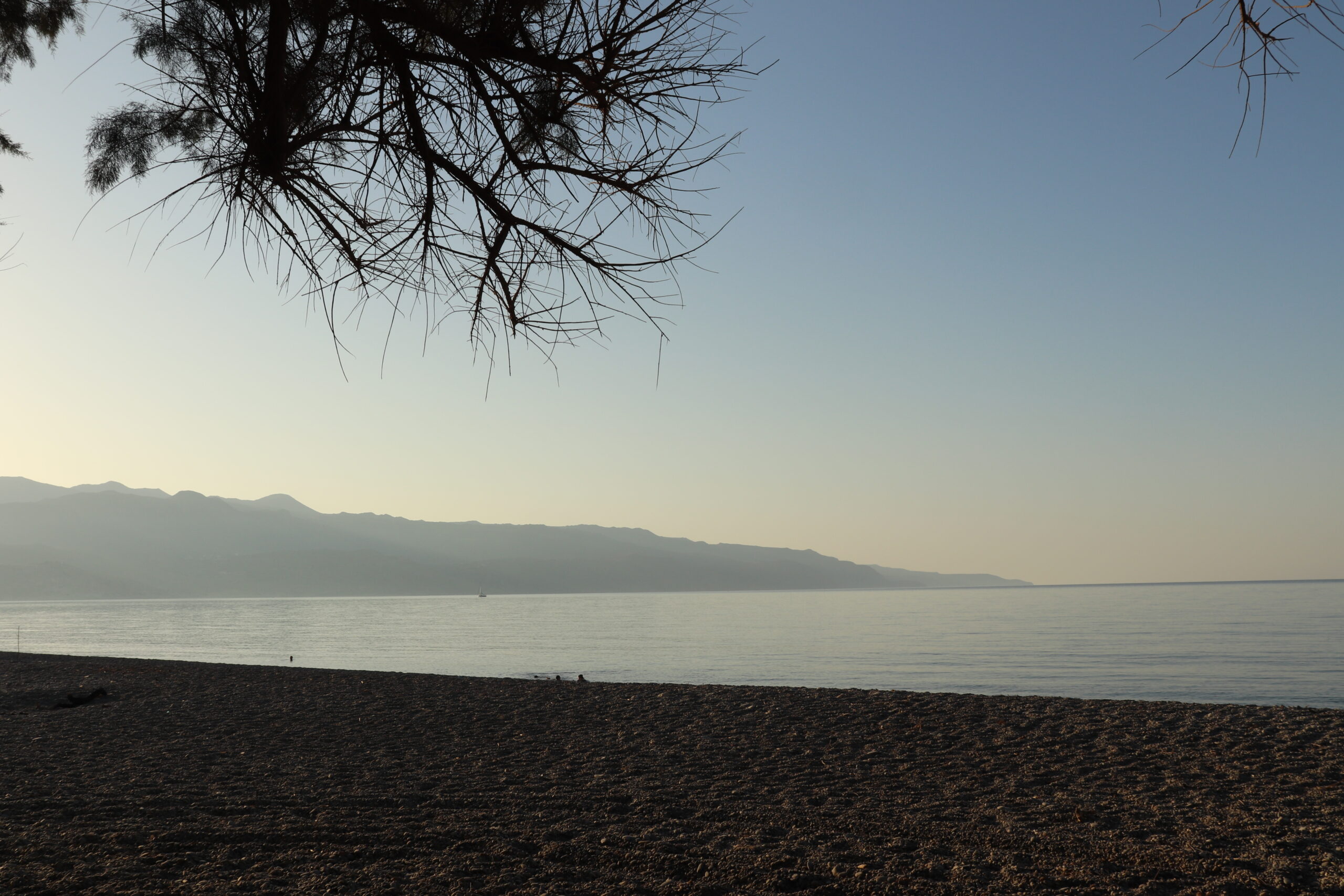
In early November, I recently drove through Agia Marina and Platanias, two areas that are full of holiday activity in summer. The streets felt almost empty.
We had been invited to a birthday celebration at a restaurant in Platanias. We were the only customers there — something I hadn’t experienced in a long time.
Even driving feels different once the main tourist season ends, although some roads can still be busy.
Of course, a quieter resort comes with a trade-off. Many seasonal restaurants, bars and tourist businesses close or reduce their operations as winter approaches.
So if you’re imagining a peaceful November holiday with every beach bar and summer restaurant still operating, you may be disappointed.
For a quieter trip outside summer, staying in a year-round town can make more sense than choosing a resort built mainly around the holiday season.
How Many Tourists Visited Crete in 2025?
There’s a reason summer can feel so busy.
According to the Bank of Greece, Crete recorded approximately 6.35 million inbound visits in 2025, making it one of Greece’s most visited regions.
That figure counts visits by non-resident travellers. It shouldn’t be confused with the total number of people on the island at one time or with airport passenger movements.
The important thing for your holiday is that visitors aren’t spread evenly across the island or throughout the year. Popular coastal destinations experience much greater seasonal pressure than quieter inland areas.
Source: Bank of Greece, Developments in the Balance of Travel Services: 2025.
Is June or September a Better Choice?
For many travellers, yes.
June is a good compromise if you want a summer atmosphere without arriving during the busiest part of the season. Resorts are active, beach businesses are generally operating and the island is already welcoming plenty of visitors.
September is another option I would seriously consider. The sea has had all summer to warm up, and the pressure from the main August holiday period begins to ease.
That doesn’t mean every beach will be empty. Crete remains a popular destination in September, especially in well-known coastal areas.
But if you have flexibility with your dates, June and September are worth comparing before booking August.
What If You Can Only Visit in August?
Then come in August. There’s no reason to abandon your holiday plans simply because it’s the busiest month.
A few decisions can make a real difference:
- Visit famous beaches early rather than arriving at lunchtime.
- Allow extra time for parking and driving near popular resorts.
- Reserve accommodation in advance, especially if you have a specific area in mind.
- Mix well-known attractions with quieter villages and inland drives.
- Avoid trying to fit too many distant places into one day.
Most importantly, don’t build your entire holiday around the island’s busiest attractions.
Some of my favourite experiences in Crete are the simpler ones: a village lunch, a scenic drive or an afternoon somewhere without a strict schedule.
So, Is Crete Too Crowded in August?
It can be — particularly if you’re staying in a busy resort and planning to visit the most famous beaches at peak hours.
But that doesn’t mean the whole island is overcrowded or that August is a bad time to visit.
If you enjoy lively resorts, long summer evenings and plenty happening around you, August may suit you perfectly. If you prefer quieter streets, easier parking and a more relaxed pace, I’d look at June or September first.
And if you visit in November, you may find a version of Crete that feels almost unrecognisable compared with the height of summer.
That’s part of what makes living here so interesting: the island changes enormously with the seasons.