Beach Logic & Conditions in Crete
Why Wind Matters More Than Beach Reputation
Many beach disappointments in Crete are caused not by the beach itself, but by wind conditions. A highly rated beach can feel unpleasant when exposed to wind, while a lesser-known one may offer perfect conditions on the same day.
Wind influences wave height, surface chop, underwater visibility, noise levels, and even how comfortable it feels to sit or walk along the shore. Ignoring wind often leads to rough seas, blowing sand, and limited swimming.
Dominant Wind Patterns in Crete
Crete is a long island exposed to open sea, and wind patterns play a central role in daily beach conditions. For much of the year, winds predominantly come from the north. These winds interact with the island’s mountainous terrain, accelerating over ridges and funneling through valleys.
As a result, north-facing beaches often experience stronger waves and currents during windy days, while south-facing beaches may remain calm and protected.
How Wind Direction Affects Different Coasts
Wind direction determines which coastlines are exposed and which are sheltered. When wind blows directly onto a shoreline, waves form quickly, water becomes less clear, and swimming becomes more demanding.
When wind blows offshore or parallel to the coast, sea conditions are usually calmer, even if wind strength remains noticeable on land. Understanding this distinction helps avoid beaches that look inviting but are uncomfortable in practice.
Wind Strength vs. Wind Comfort
Even moderate wind can significantly affect beach comfort. Light wind may already create continuous surface movement, especially on open beaches. Stronger wind amplifies wave action and often brings floating debris or seaweed to shore.
Comfort is not only about swimming. Wind can make it difficult to relax, read, or enjoy time on the beach, particularly on exposed stretches with no natural shelter.
Wind and Water Clarity
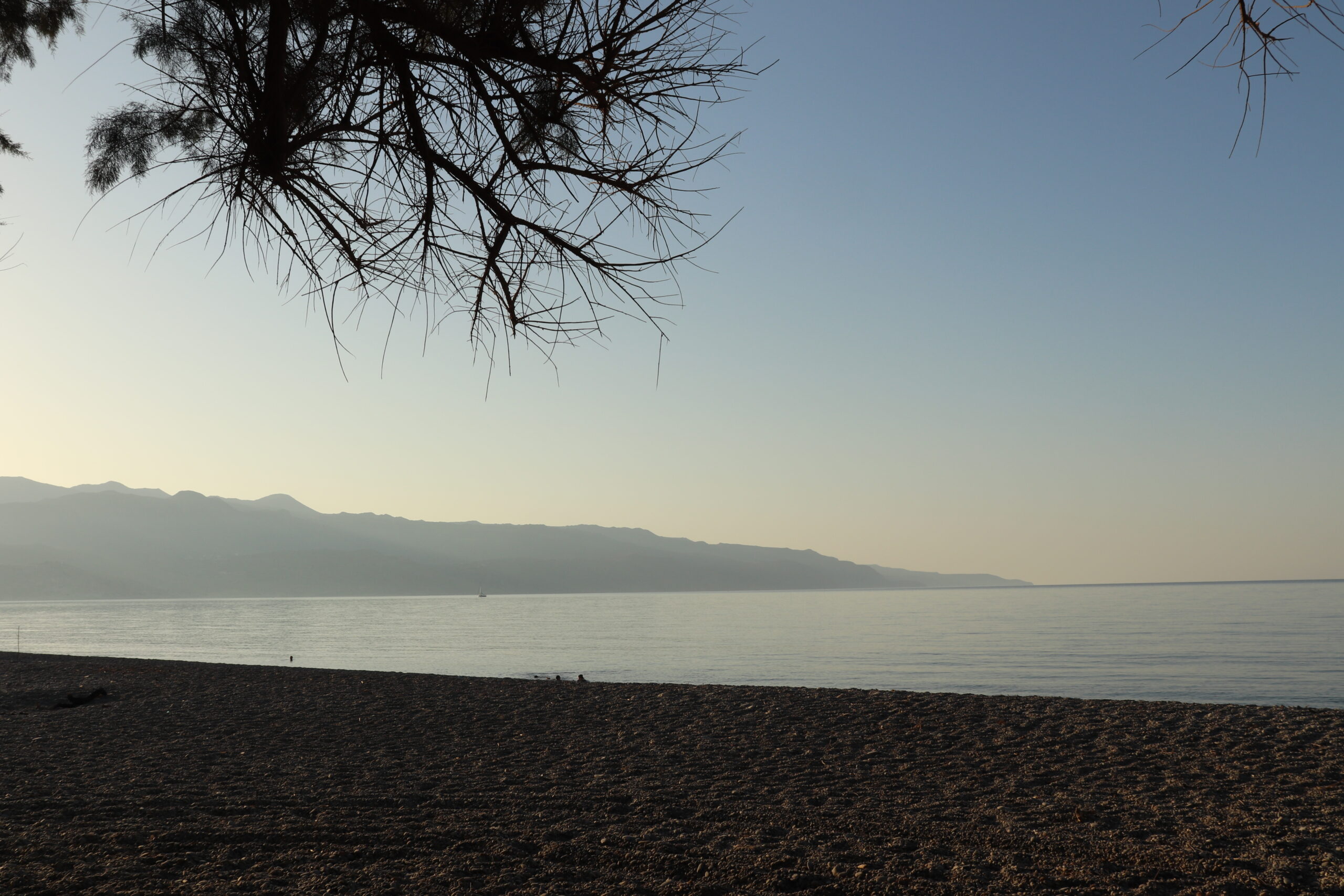
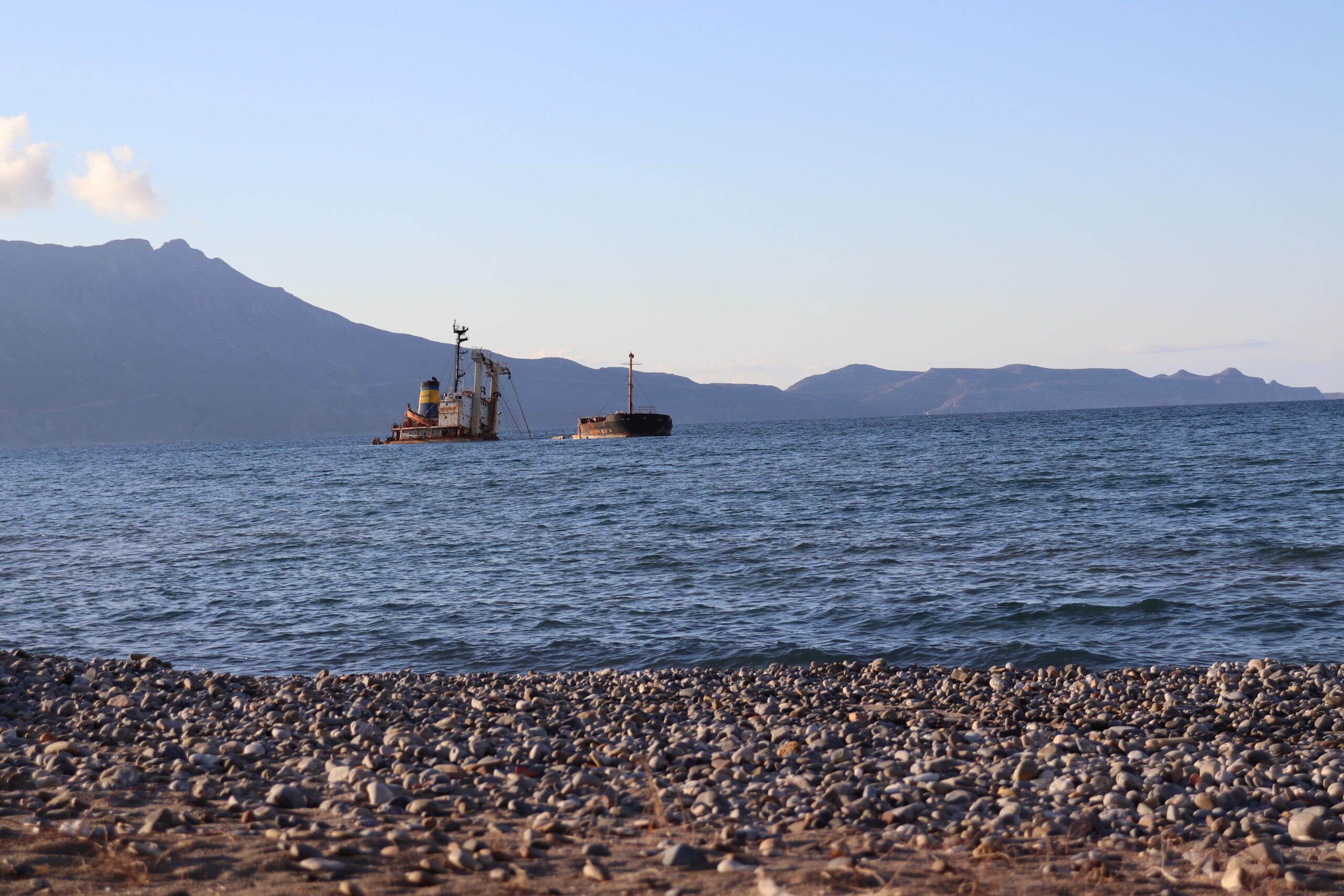
Wind-driven waves stir sand and sediment, reducing water clarity. Beaches with sandy seabeds are particularly affected, while pebble beaches may retain clearer water under similar conditions.
Calm days usually provide the best underwater visibility, making swimming and snorkeling more enjoyable regardless of beach popularity.
When Wind Should Change Your Plans
Strong or persistent wind is a signal to reconsider beach plans rather than force them. Changing coastlines, choosing a more sheltered bay, or postponing swimming often leads to a better overall experience.
Understanding wind allows flexible planning instead of rigid schedules based on fixed beach names.
Using Wind Logic Together With Other Factors
Wind should never be considered in isolation. Access time, season, and beach type interact with wind conditions. A distant beach may not be worth the effort on a windy day, while a nearby sheltered option may offer better conditions with minimal travel.
This logic forms the foundation for smart beach choices across Crete, regardless of where you stay or how long your trip lasts.