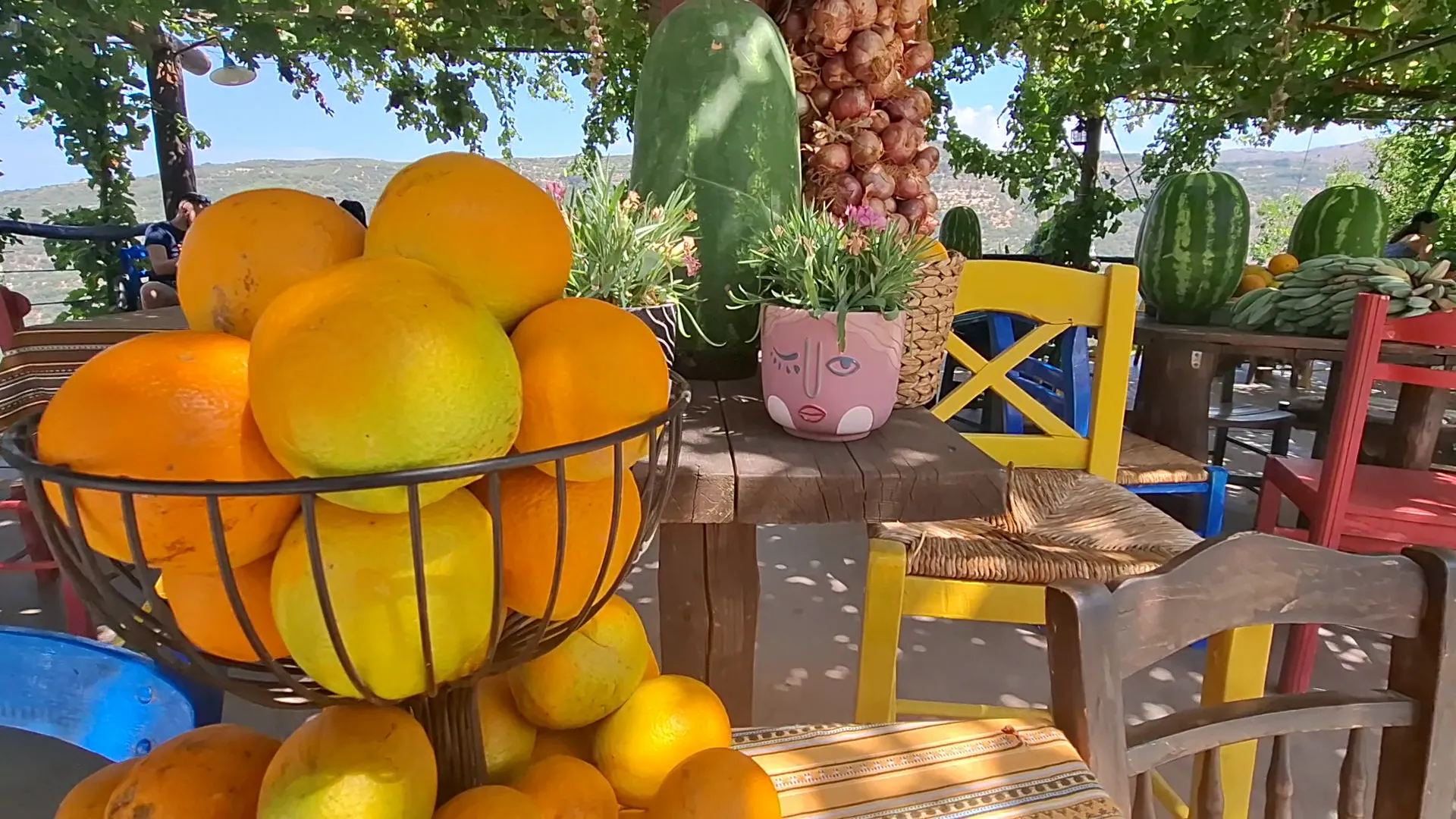
Food plays a central role in everyday life in Crete. The island’s cuisine reflects centuries of agricultural traditions, Mediterranean climate, and local ingredients that shape the Cretan diet.
Visitors often discover that food in Crete is not only about restaurants but also about culture, local products, and shared meals. Traditional dishes, fresh ingredients, and relaxed dining habits define the culinary experience across the island.
What Defines Cretan Cuisine
Cretan food is widely associated with the Mediterranean diet. Meals often rely on natural ingredients rather than complex preparation.
- Olive oil used in most dishes
- Fresh vegetables and herbs
- Local cheeses and dairy products
- Seafood and grilled meat
This approach emphasizes balance, freshness, and seasonal ingredients.
Traditional Cretan Dishes
Many dishes in Crete have been prepared for generations. Traditional recipes often reflect rural life and local agriculture.
Examples include dishes made with wild greens, cheese pastries, and slow-cooked meat.
These foods represent the culinary identity of the island.
Local Ingredients
Cretan cuisine depends heavily on locally produced ingredients. Many restaurants use products grown or produced on the island.
- Olive oil from local groves
- Cheese made from sheep or goat milk
- Seasonal vegetables
- Fresh seafood from coastal waters
This connection between agriculture and cooking is a defining feature of Cretan food.
Dining in Tavernas
Tavernas are the most common type of restaurant in Crete. These family-run establishments serve traditional meals in relaxed environments.
Many tavernas specialize in local recipes prepared with simple ingredients.
Visitors often consider these restaurants the best way to experience authentic Cretan cuisine.
Street Food and Bakeries
Alongside restaurants, Crete offers many quick food options through bakeries and street food shops.
These places serve pastries, pies, sandwiches, and other snacks.
They are commonly used by locals for breakfast or quick meals during the day.
Wine and Local Drinks
Crete has a long history of wine production. Vineyards across the island produce both traditional and modern wines.
Wine is often served with meals in tavernas and restaurants.
Another well-known local drink is raki, a traditional spirit commonly offered after meals.
Food Experiences
Travelers interested in local cuisine sometimes explore food tours, winery visits, and cooking experiences.
These activities help visitors understand how ingredients are produced and how traditional dishes are prepared.
Food experiences provide insight into the island’s culinary culture.
Dining Culture in Crete
Meals in Crete are often social and relaxed. People frequently spend time talking, sharing dishes, and enjoying wine together.
Dinner typically happens later in the evening compared with some countries.
This slower pace reflects the Mediterranean lifestyle.
Summary
Cretan cuisine combines traditional recipes, fresh ingredients, and a relaxed approach to dining. Olive oil, cheese, vegetables, seafood, and wine are central elements of many dishes.
Exploring food culture allows visitors to better understand the island’s traditions and everyday life.
Whether dining in village tavernas, seaside restaurants, or small bakeries, Crete offers many opportunities to experience authentic Mediterranean flavors.