If you want to understand the variety of coastal landscapes across the island, start with the main Crete Beaches by Type guide to see how different beach environments appear around Crete.
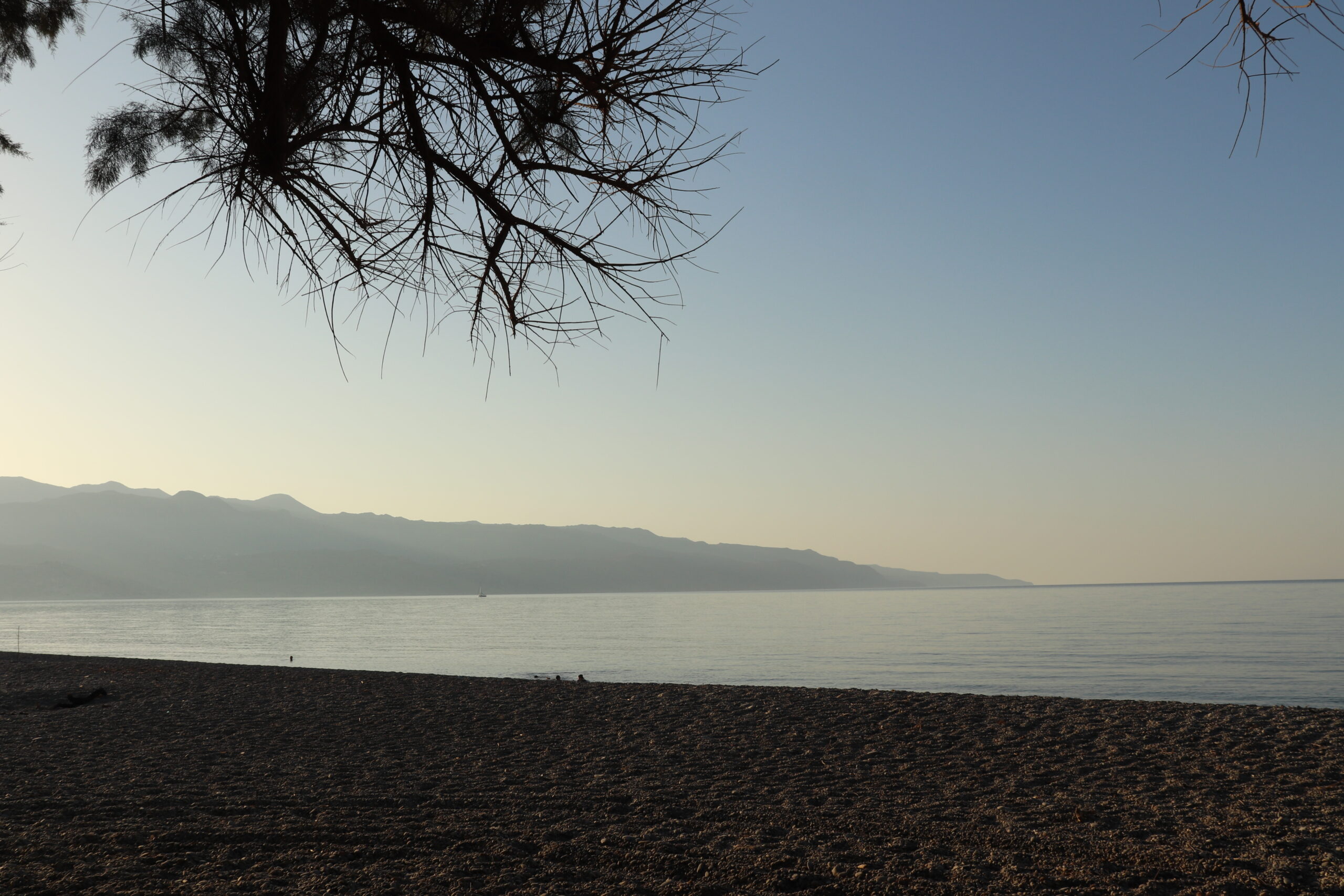
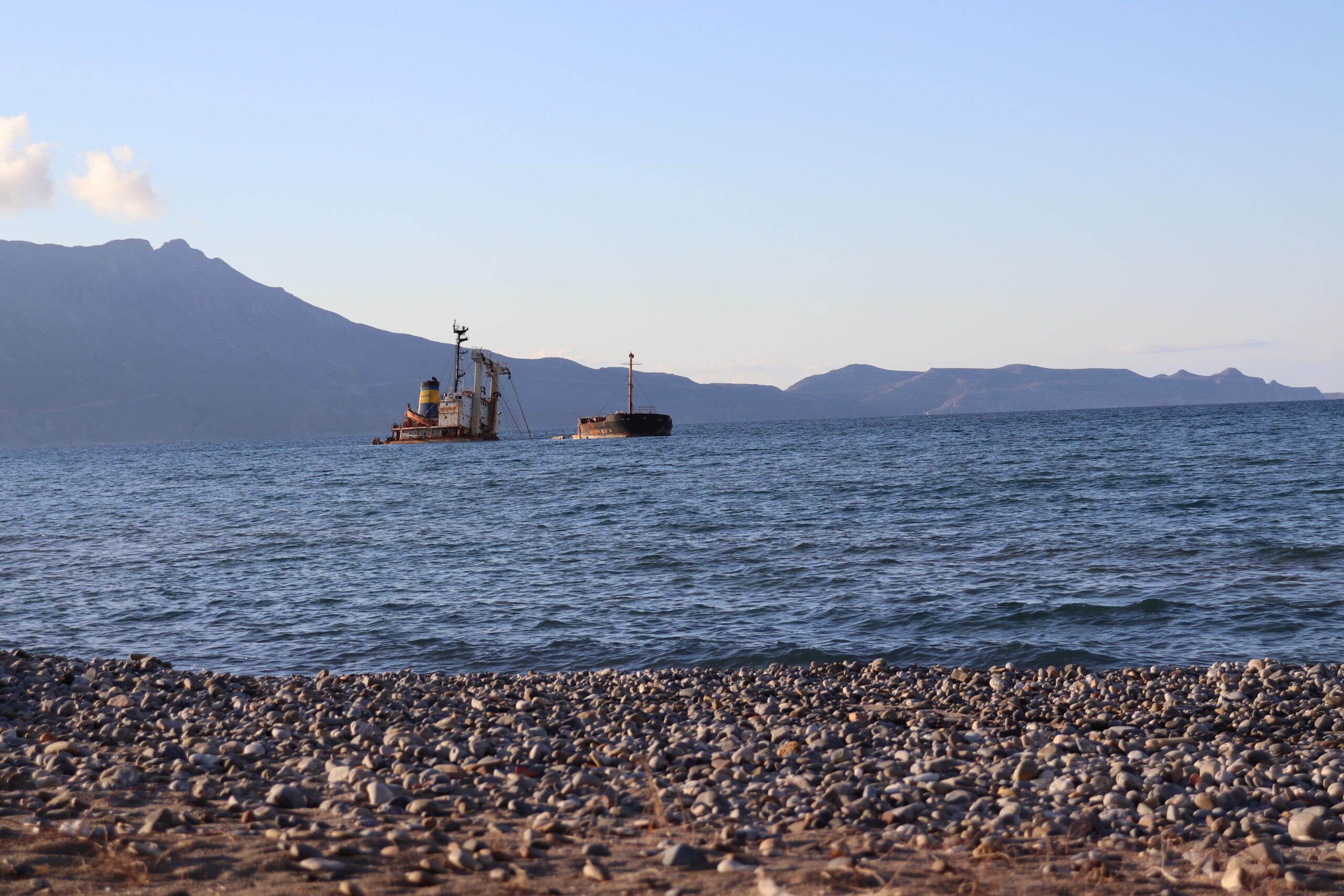
While many travelers look for sandy beaches, rocky beaches are actually very common in Crete. Much of the island’s coastline is formed by cliffs, stone formations, and pebble shores created by geological processes over thousands of years.
These beaches often provide some of the clearest water found anywhere on the island.
What Is a Rocky Beach
A rocky beach usually consists of stones, pebbles, or exposed rock instead of sand. The size of these stones can vary from small pebbles to large rock formations along the shoreline.
Because waves do not move sand across these beaches, the water often remains very clear.
Rocky beaches also tend to appear in areas where cliffs reach the sea.
Why the Water Is Often Clearer
Rocky beaches frequently have extremely clear water because there is very little sand or sediment to be stirred up by waves.
Without sand particles floating in the water, visibility remains high even when waves are present.
This clarity often makes rocky beaches excellent places for swimming and observing underwater landscapes.
Swimming Conditions
Swimming conditions at rocky beaches vary depending on the shape of the seabed. In many places the water becomes deeper more quickly compared with sandy beaches.
This allows swimmers to reach deeper water shortly after entering the sea.
However, entering the water can sometimes be more challenging because of stones or uneven surfaces.
Pebble Beaches
Many rocky beaches in Crete are actually pebble beaches. These shores are covered with smooth stones shaped by waves over long periods of time.
Pebbles tend to be more comfortable to walk on than sharp rocks, although they may still feel different compared with soft sand.
Pebble beaches also help maintain clear water because they do not produce sand sediment.
Rock Formations and Cliffs
Some rocky beaches are located at the base of dramatic cliffs. These landscapes create impressive natural scenery along the coastline.
The cliffs may provide shade during certain times of the day and protect parts of the beach from wind.
These environments also create interesting geological formations above and below the waterline.
Underwater Landscapes
Rocky beaches often have diverse underwater terrain. Rocks, crevices, and stone formations provide habitats for fish and marine life.
This makes some rocky beaches attractive for snorkeling and exploring underwater environments.
The clear water allows good visibility of these underwater features.
Advantages of Rocky Beaches
- Extremely clear water
- Dramatic coastal scenery
- Often quieter than sandy resort beaches
- Interesting underwater landscapes
- Good snorkeling conditions
These characteristics make rocky beaches appealing to visitors who enjoy natural coastal environments.
Things to Consider
Although rocky beaches offer many advantages, they may require a bit more preparation.
Walking on stones can be less comfortable than walking on sand, and entering the water may require more attention.
Some visitors prefer wearing water shoes when visiting pebble or rocky beaches.
Natural Coastal Diversity
The presence of rocky beaches reflects the geological diversity of Crete’s coastline. Mountains and cliffs reach the sea in many parts of the island.
This natural landscape creates a wide variety of beach types, including pebble shores, rocky coves, and small stone bays.
Conclusion
Rocky beaches are an important part of Crete’s coastal landscape. Although they differ from sandy beaches, they often provide exceptionally clear water and impressive natural scenery.
For visitors interested in dramatic coastlines and underwater exploration, rocky beaches offer a unique experience along the island’s shoreline.