Crete is the largest island in Greece and has more than 1,000 kilometers of coastline. Because of this size and geological diversity, the island offers a wide range of beach environments.
Some beaches are long stretches of soft sand, while others appear as rocky coves surrounded by cliffs. In certain places shallow lagoons form bright turquoise water, and in more remote areas natural beaches remain largely untouched.
Understanding the different types of beaches in Crete helps travelers choose coastal landscapes that match their preferences.
Sandy Beaches
Sandy beaches are among the most popular coastal environments in Crete. These beaches have soft sand and usually provide gradual entry into the sea.
The smooth shoreline makes them comfortable for walking, relaxing, and swimming.
Many of the island’s larger resort beaches fall into this category.
Rocky and Pebble Beaches
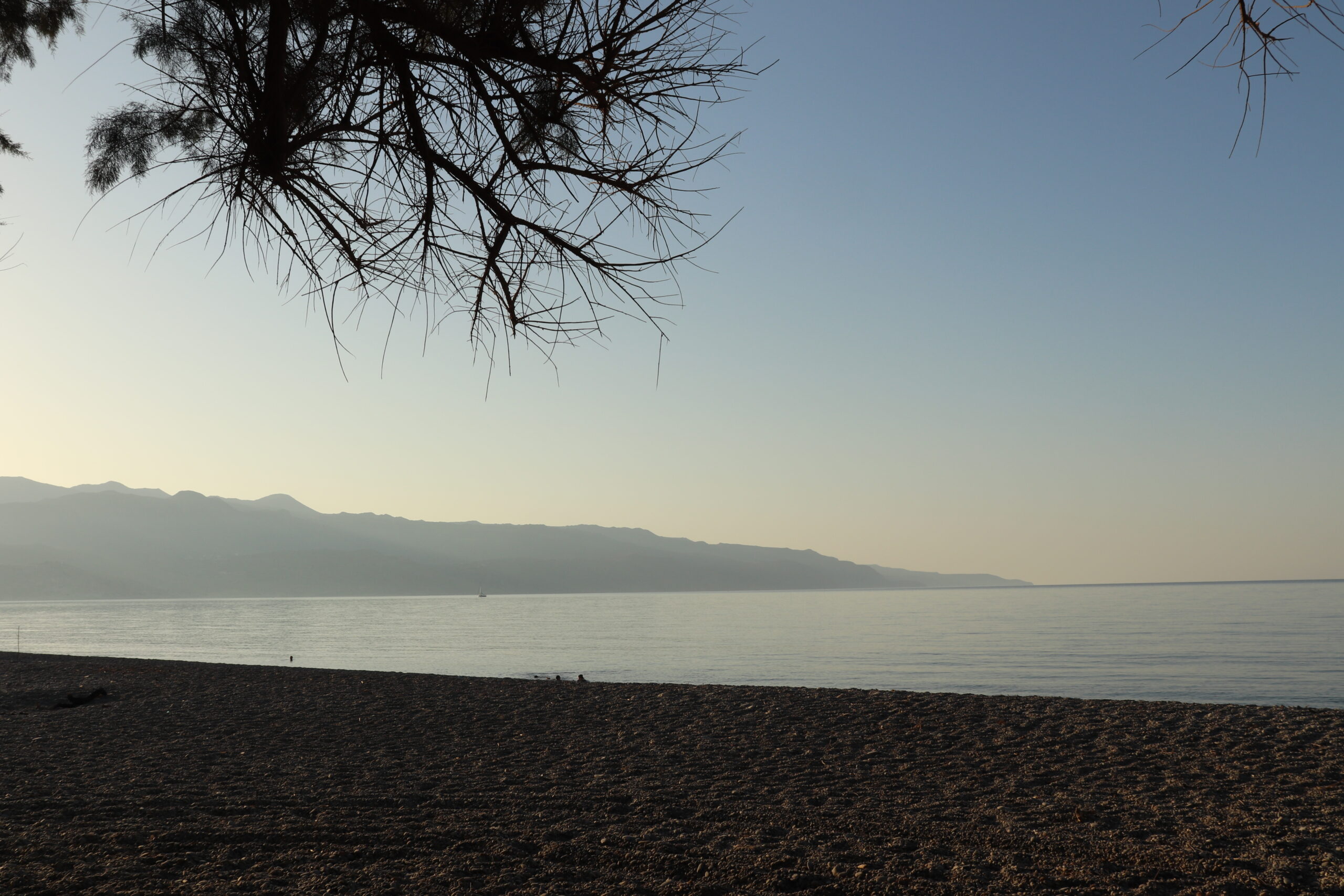
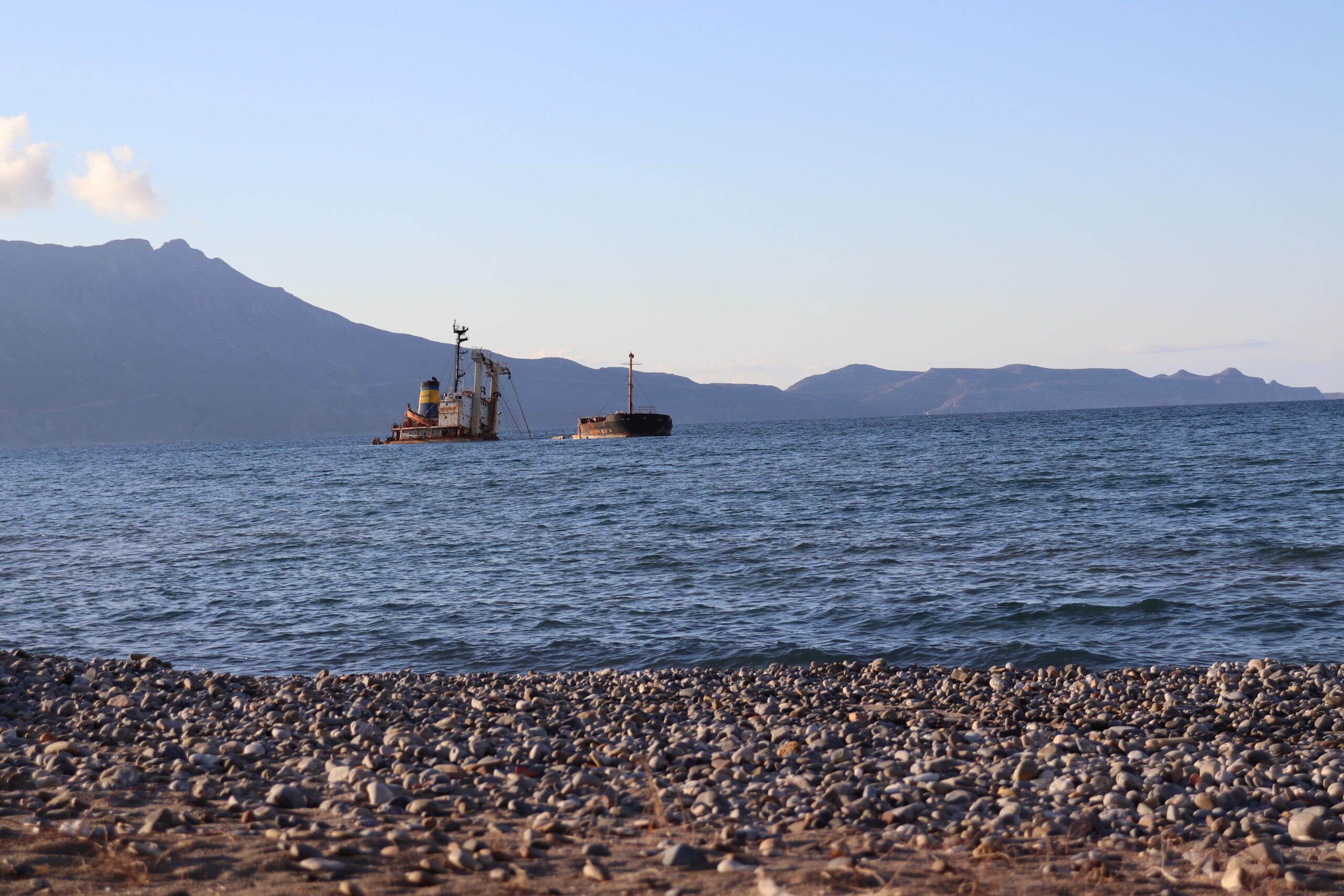
Rocky beaches are also very common along the island’s coastline. Instead of sand, these beaches consist of stones, pebbles, or exposed rock.
Because waves do not stir up sand particles, the water at rocky beaches is often extremely clear.
These beaches frequently appear beneath cliffs or along rugged sections of the coast.
Lagoon Beaches
Lagoon beaches form in shallow coastal areas where sandbanks or reefs partially protect the water from waves. These environments create calm, shallow water with bright turquoise colors.
Lagoon beaches often appear very different from typical Mediterranean coastlines.
The shallow water and clear sand create distinctive coastal scenery.
Hidden and Remote Beaches
Crete’s long coastline includes many hidden beaches located away from major tourist areas. These beaches may require longer drives or short walks to reach.
Because of their limited access, they often remain quieter and less developed.
Remote beaches frequently offer a more natural coastal atmosphere.
Natural and Wild Beaches
Some beaches in Crete remain largely untouched by tourism infrastructure. These natural beaches may lack organized sunbeds or large beach facilities.
Instead they preserve the original landscape of the coastline.
Visitors who prefer wild scenery often enjoy these locations.
Beaches Beneath Cliffs
In many parts of the island steep cliffs rise directly above the sea. Where the cliffs meet the shoreline, beaches form inside narrow coves.
These dramatic landscapes create some of the most impressive coastal scenery in Crete.
Cliff beaches often feel more secluded because access may require walking paths or steep roads.
Shallow Water Beaches
Some beaches in Crete have very gradual seabeds that remain shallow for long distances. Visitors can walk into the sea slowly as the water depth increases.
This natural formation often creates calm and comfortable swimming conditions.
Shallow beaches may also display bright turquoise colors because sunlight reflects from the seabed.
Wind-Protected Beaches
Wind conditions can influence beach experiences on the island. Some beaches face open sea areas and receive stronger winds.
Others lie inside protected bays surrounded by hills or rocky headlands.
These sheltered locations often provide calmer sea conditions.
Sunset Beaches
Beaches facing west often offer the best sunset views. When the sun lowers toward the horizon, the sky and sea create impressive evening colors.
These locations are popular for relaxing at the end of the day and watching the sun disappear into the Mediterranean.
Diversity of Crete’s Coastline
The variety of beach types found in Crete reflects the island’s complex geography. Mountains, cliffs, plains, and coastal currents all shape the coastline.
As a result travelers can experience very different beach environments within relatively short distances.
This diversity makes Crete one of the most interesting coastal destinations in the Mediterranean.
Conclusion
Crete’s beaches appear in many forms, from sandy shores and turquoise lagoons to rocky cliffs and quiet natural coves. Each type of beach offers a different coastal experience.
Exploring these different beach environments reveals the remarkable diversity of the island’s coastline.