Crete is the largest island in Greece and one of the most geographically diverse islands in the Mediterranean. Its landscape combines mountains, valleys, plateaus, and coastlines shaped by geological forces over millions of years.
These natural environments create a wide variety of scenery across the island, from rugged mountain ranges to remote coastal landscapes.
Understanding the island’s natural geography helps explain why Crete contains such diverse ecosystems and landscapes.
Mountains of Crete
Mountains dominate much of the island’s terrain. Large ranges stretch across Crete from west to east, forming the backbone of the landscape.
These mountains create deep valleys, high plateaus, and dramatic slopes that shape many natural environments.
They also influence climate patterns and water flow across the island.
Gorges and Canyon Landscapes
Water erosion over thousands of years has carved numerous gorges through the mountains. These deep valleys cut through rocky terrain and form natural corridors between mountain regions and the sea.
Gorges often contain steep cliffs, narrow paths, and seasonal streams.
They are among the most distinctive natural features in Crete.
Plateaus and Valleys
Between mountain ranges several plateaus and valleys appear across the island. These open landscapes often contain villages, farmland, and small rivers.
The surrounding mountains frame these areas and create striking natural scenery.
The contrast between open valleys and rugged peaks adds diversity to the island’s terrain.
Lakes and Freshwater Landscapes
Although Crete is largely mountainous, freshwater lakes and reservoirs also appear in certain areas. These water landscapes support wildlife and vegetation.
The presence of water creates green environments that contrast with drier surroundings.
These locations add variety to the island’s natural scenery.
Palm Forests and Unique Ecosystems
Crete contains rare ecosystems such as natural palm forests. These environments appear near river valleys where freshwater supports plant growth.
The presence of native palm trees creates landscapes unusual for the Mediterranean region.
These ecosystems highlight the island’s ecological diversity.
Caves and Underground Landscapes
The island’s limestone geology has created numerous caves within mountain areas. Over long periods of time water dissolved the rock and formed underground chambers.
These caves reveal another dimension of the island’s natural environment.
They also reflect the geological history of Crete.
Waterfalls and Mountain Streams
Seasonal streams flowing through mountainous terrain sometimes create waterfalls. These features appear where water drops over steep rock surfaces.
Although often seasonal, waterfalls add movement and sound to the landscape.
They are most visible during wetter months.
Coastal Landscapes
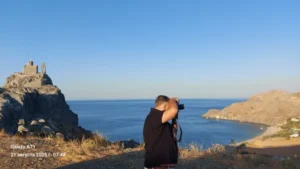
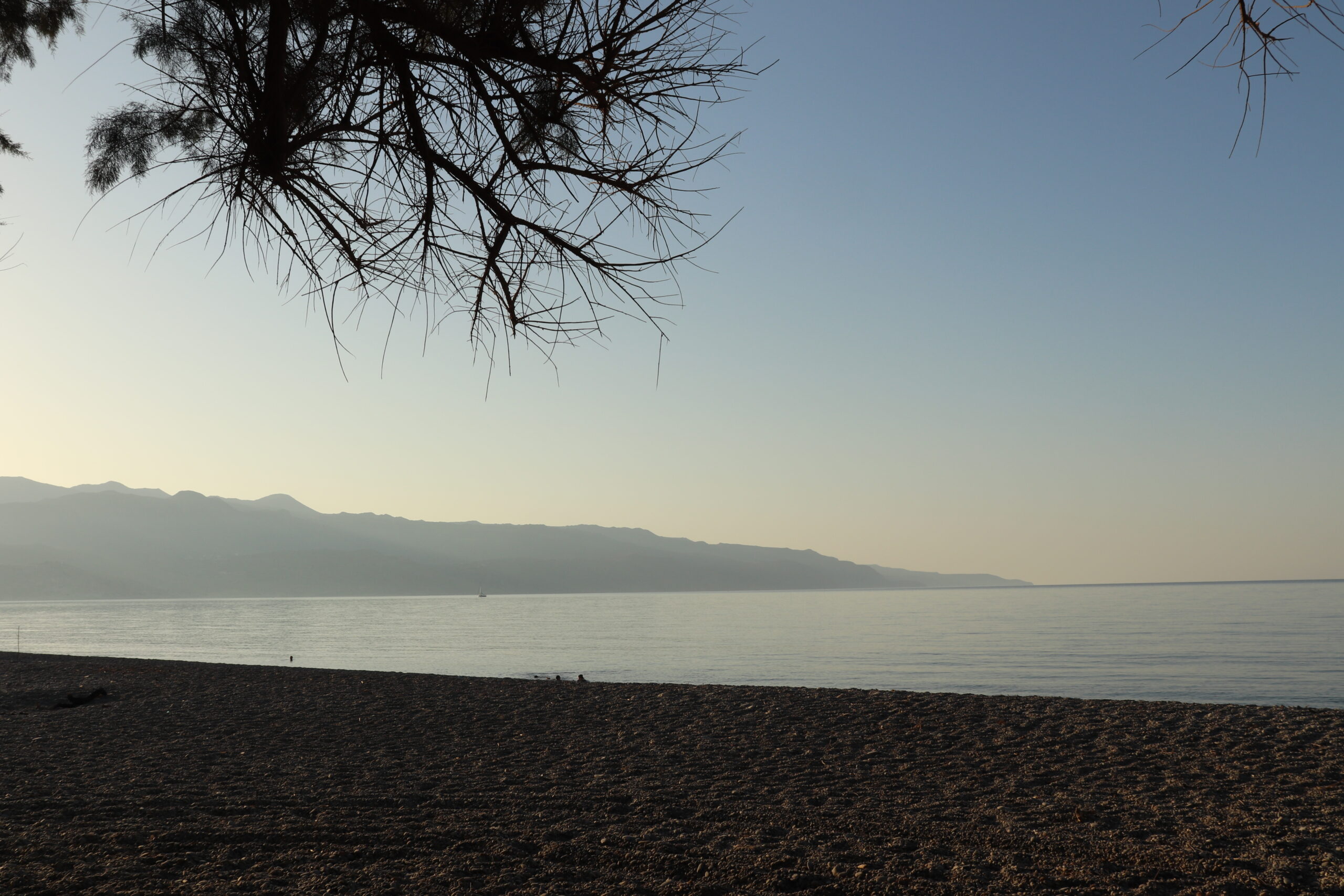
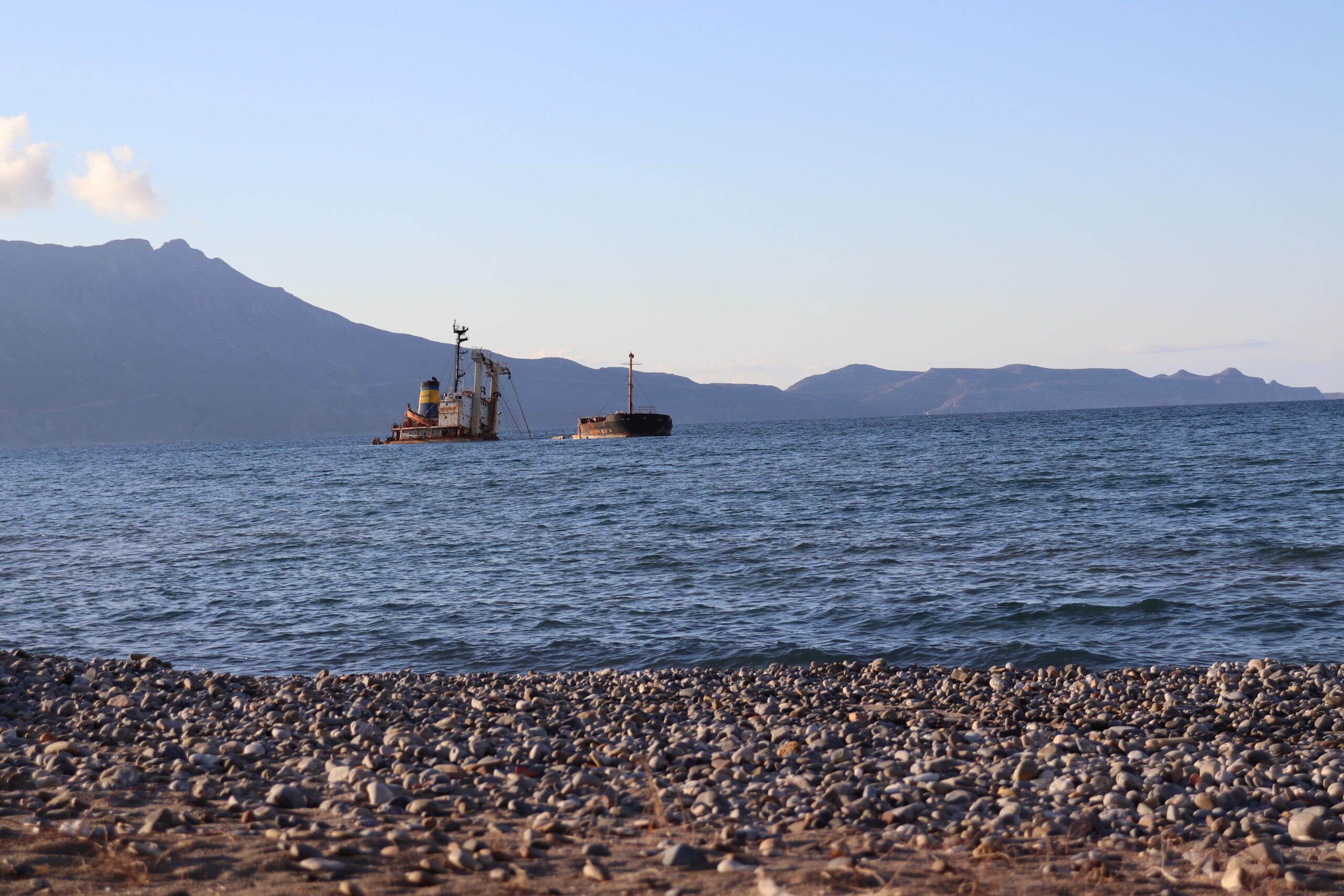
The coastline of Crete is shaped by mountains that often descend directly toward the sea. Cliffs, bays, and rocky formations create dramatic coastal scenery.
In some areas narrow valleys open toward the coast, forming small plains and beaches.
This interaction between land and sea forms many of the island’s most impressive views.
Natural Diversity Across the Island
The combination of mountains, valleys, forests, rivers, and coastlines makes Crete one of the most diverse natural landscapes in the Mediterranean.
Traveling across the island reveals constant changes in scenery over relatively short distances.
This diversity defines the natural identity of Crete.
Conclusion
Crete’s nature and landscapes are shaped by powerful geological forces and varied ecosystems. Mountains, gorges, forests, and coastlines combine to create remarkable scenery across the island.
Exploring these environments reveals the depth and diversity of Crete’s natural world.
Explore Crete’s Natural Landscapes
Crete’s nature includes mountains, gorges, caves, forests, and coastal landscapes that together form one of the most diverse environments in the Mediterranean.
The guides below explore the main natural features that shape the island’s scenery.