This comparison is part of the Beach Logic & Conditions in Crete guide. The basic pattern is simple: the north coast is usually easier to reach, while the south coast can offer calmer water during northern winds. However, the orientation and shape of the individual beach still matter.
North vs South Coast: Quick Answer
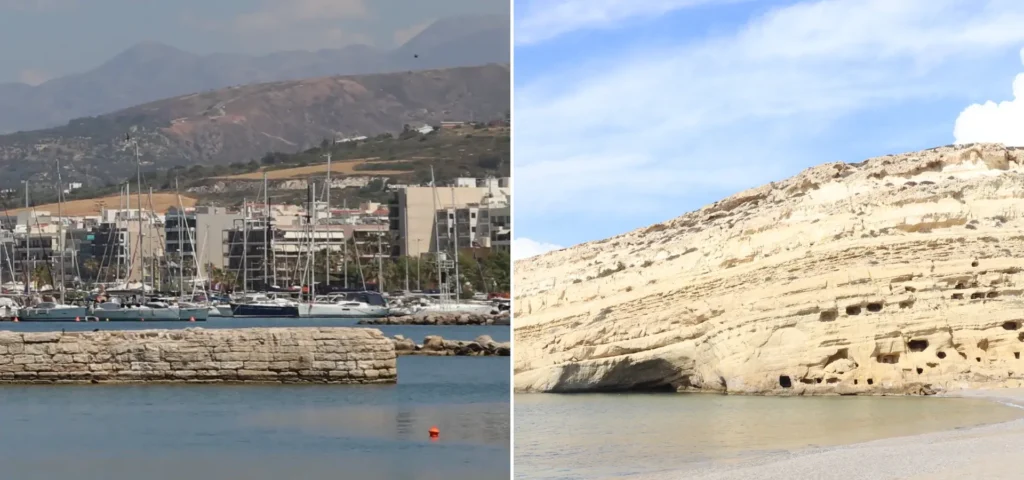
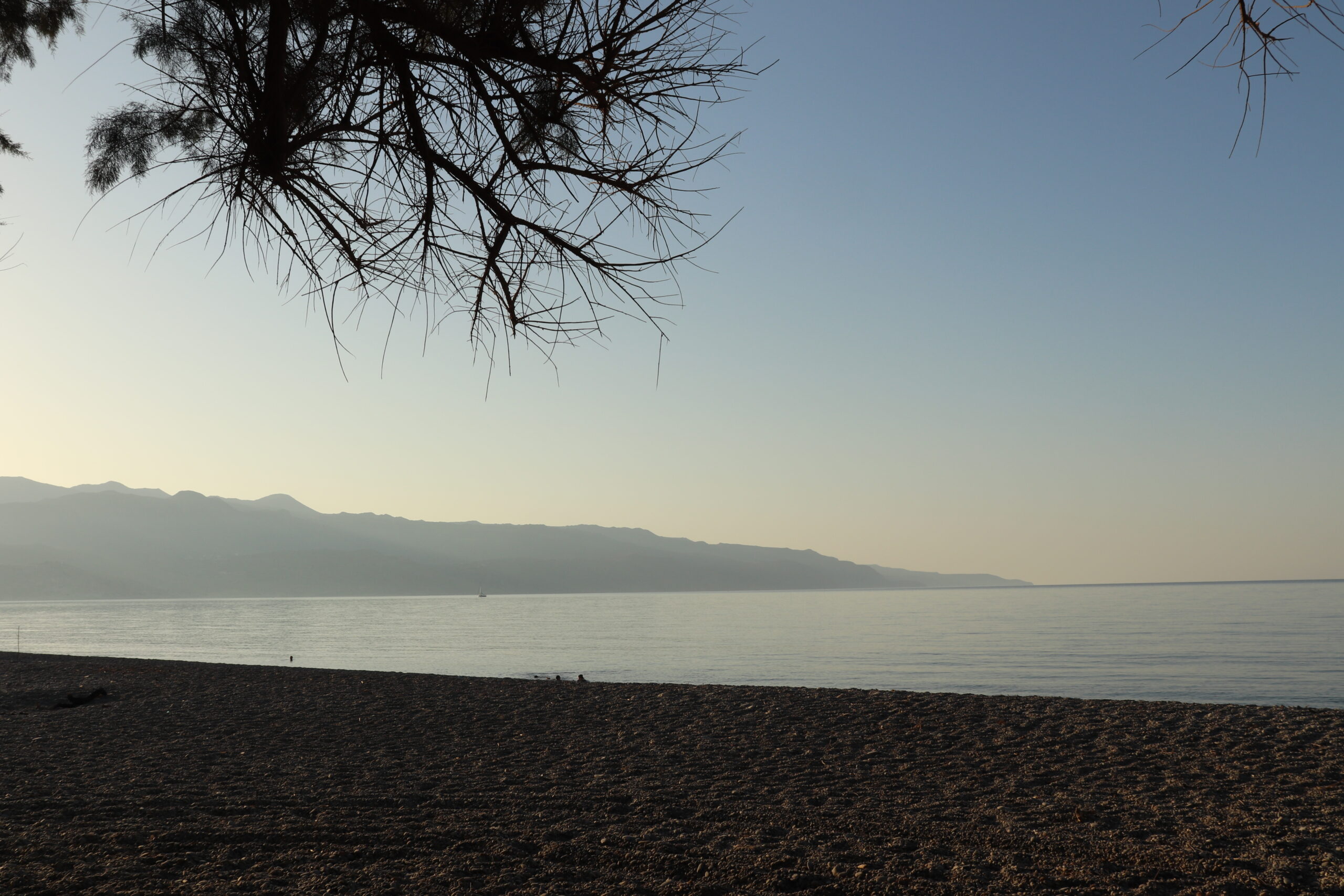
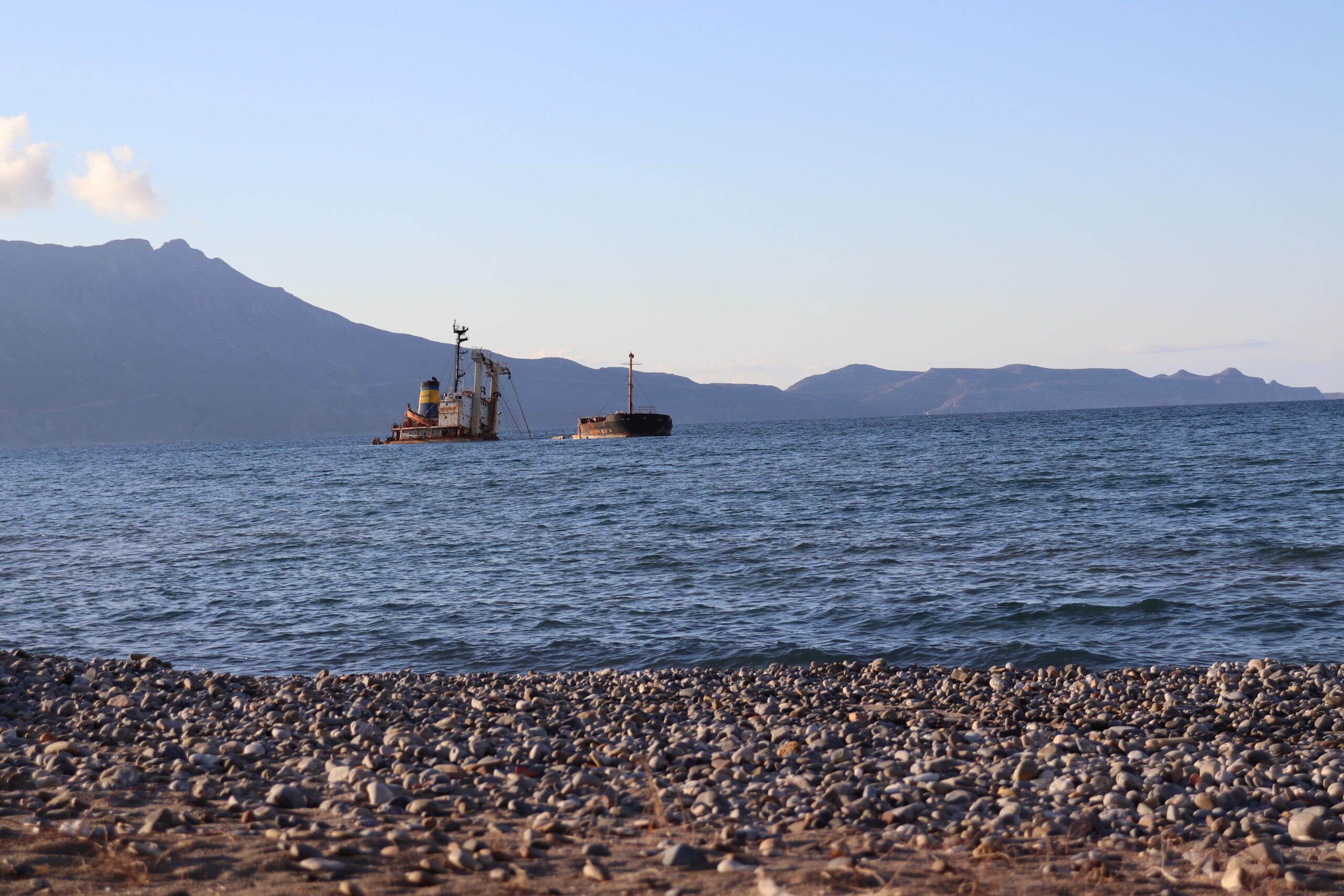
Rethymno on Crete’s north coast, left, and Matala Beach on the south coast, right.
During common northern winds, exposed north-coast beaches often develop waves and surface chop. The south coast may be calmer, but it is not automatically protected. Mountain gaps, local gusts, and open bays can produce strong wind on either coast.
Choose according to the forecast for the specific beach, not only the words “north coast” or “south coast.”
| Factor | North Coast | South Coast |
|---|---|---|
| Access | Usually easier from the main cities and resorts | Often requires mountain roads and more travel time |
| Facilities | More organised beaches, restaurants, and services | More variation between organised beaches and remote coves |
| Northern winds | Open beaches are often directly exposed | Frequently calmer, but local winds can still be strong |
| Travel style | Suitable for short or spontaneous beach visits | Better suited to planned half-day or full-day trips |
| Best for | Convenience, facilities, and limited travel time | Wilder scenery, quieter locations, and flexible day planning |
Why Coastline Choice Matters in Crete
Crete’s long shape and mountainous interior create strong contrasts between its northern and southern coastlines. Swimming conditions depend on exposure to wind, wave direction, surrounding mountains, and the orientation of each bay.
This is why two beaches only a short distance apart can behave differently on the same day. One may have waves and cloudy water while a nearby protected cove remains comfortable for swimming.
The North Coast: Convenience and Exposure
The north coast contains Crete’s main cities, resorts, airports, and transport infrastructure. Its beaches are generally closer to accommodation, restaurants, major roads, and public transport.
This makes the north coast practical for a short beach visit or a day when you do not want to cross the mountains. The disadvantage is greater exposure to the northern winds that commonly affect Crete during summer.
On windy days, open north-coast beaches may develop waves, surface chop, and reduced water clarity. Large open stretches are usually affected more than compact bays, although no bay remains protected under every wind direction.
Open beaches along the north coast of Rethymno, for example, can behave differently from the smaller coves around Bali or Agia Pelagia. Beach orientation matters as much as the coast itself.
The South Coast: Shelter and Natural Conditions
The south coast faces the Libyan Sea and is often less directly exposed when northern winds create rough conditions on the north side of Crete. This makes it a useful alternative when swimming comfort is the priority.
However, “south coast” does not guarantee calm water. Northern air can accelerate through mountain gaps and descend toward the sea, producing strong local gusts. Open bays and areas below mountain valleys can therefore remain windy even when the water looks calmer than on the north coast.
South-coast beaches also tend to require more planning. Access may involve winding mountain roads, limited public transport, fewer services, and longer return journeys. Some beaches work well as full-day destinations but are inefficient for a short swim.
Wind Direction and Important Exceptions
Wind direction is the starting point, but it is not the complete answer. A beach facing directly into the wind usually develops more surface movement than a cove protected by a headland.
Northern winds often make exposed north-coast beaches rougher, but they can also create strong downslope gusts in parts of the south. Southern or western winds may reverse the pattern and affect beaches that are normally considered sheltered.
For a fuller explanation, see how wind affects beaches in Crete.
Seasonal Differences Between the Coasts
Summer brings long periods of stable weather, but northern winds can become stronger during the day. Morning conditions may be calmer, although this should never replace checking the same-day forecast.
Spring and autumn are less predictable. Wind direction can change, weather systems move more quickly, and the difference between the two coasts may vary from one day to the next. In winter, storms and swell can affect both coastlines.
The practical choice therefore changes with the month, as explained in the guide to choosing a beach in Crete based on season.
Access, Time, and Planning Considerations
The north coast is normally better for spontaneous plans because beaches are closer to the main road network and tourist centres. It is easier to change location if the first beach is unsuitable.
Choosing the south coast often requires a mountain crossing and a larger part of the day. Before leaving, consider the complete return journey, available services, road conditions, and whether the beach has natural shade.
This trade-off is covered in more detail in easy-access vs remote beaches in Crete.
How to Choose on the Same Morning
- Check the wind direction and strength for the specific beach.
- Check wave height rather than relying only on the general weather forecast.
- Look at the beach orientation and whether headlands provide protection.
- Compare conditions on both coasts before committing to a long drive.
- Include travel time, facilities, shade, and the return journey in the decision.
If the north coast is rough, compare several southern beaches rather than choosing the nearest one automatically. A smaller protected cove may work better than a large open bay.
Which Coast Is Right for Your Beach Day?
Choose the north coast when conditions are calm, time is limited, or easy access and facilities matter most. Choose the south coast when northern winds are affecting exposed northern beaches and you have enough time for the journey.
The most reliable rule is not to commit permanently to one coast. Use the beach-level forecast, understand the orientation of the bay, and keep an alternative location available.