Beach Logic & Conditions in Crete
Why Reading Sea Conditions Matters
Many beachgoers judge conditions only by appearance. However, the difference between calm water and waves affects safety, comfort, and enjoyment far more than most expect.
Understanding basic sea behavior helps avoid poor swimming conditions and unnecessary frustration.
What Defines a Calm Sea
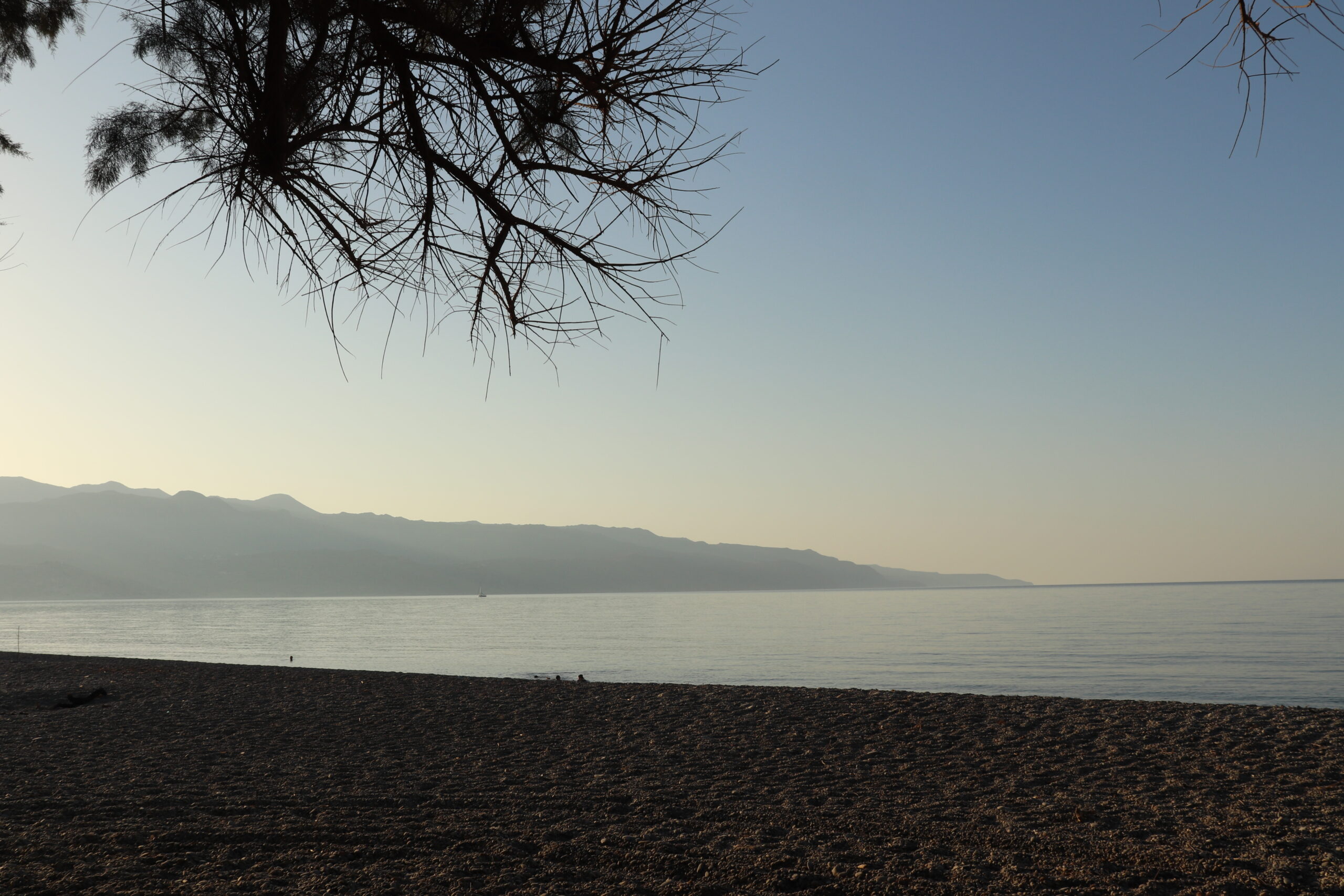
A calm sea is characterized by minimal surface movement, low wave height, and stable water entry. Swimming feels effortless, visibility is high, and entry into the water is predictable.
Calm conditions are especially important for families, relaxed swimming, and snorkeling.
What Creates Waves on Crete’s Beaches
Waves are primarily generated by wind direction and strength. When wind blows toward the shore, energy transfers directly into wave formation.
Open beaches and exposed coastlines react quickly, while sheltered bays may remain calm under similar conditions.
Surface Chop vs Real Waves
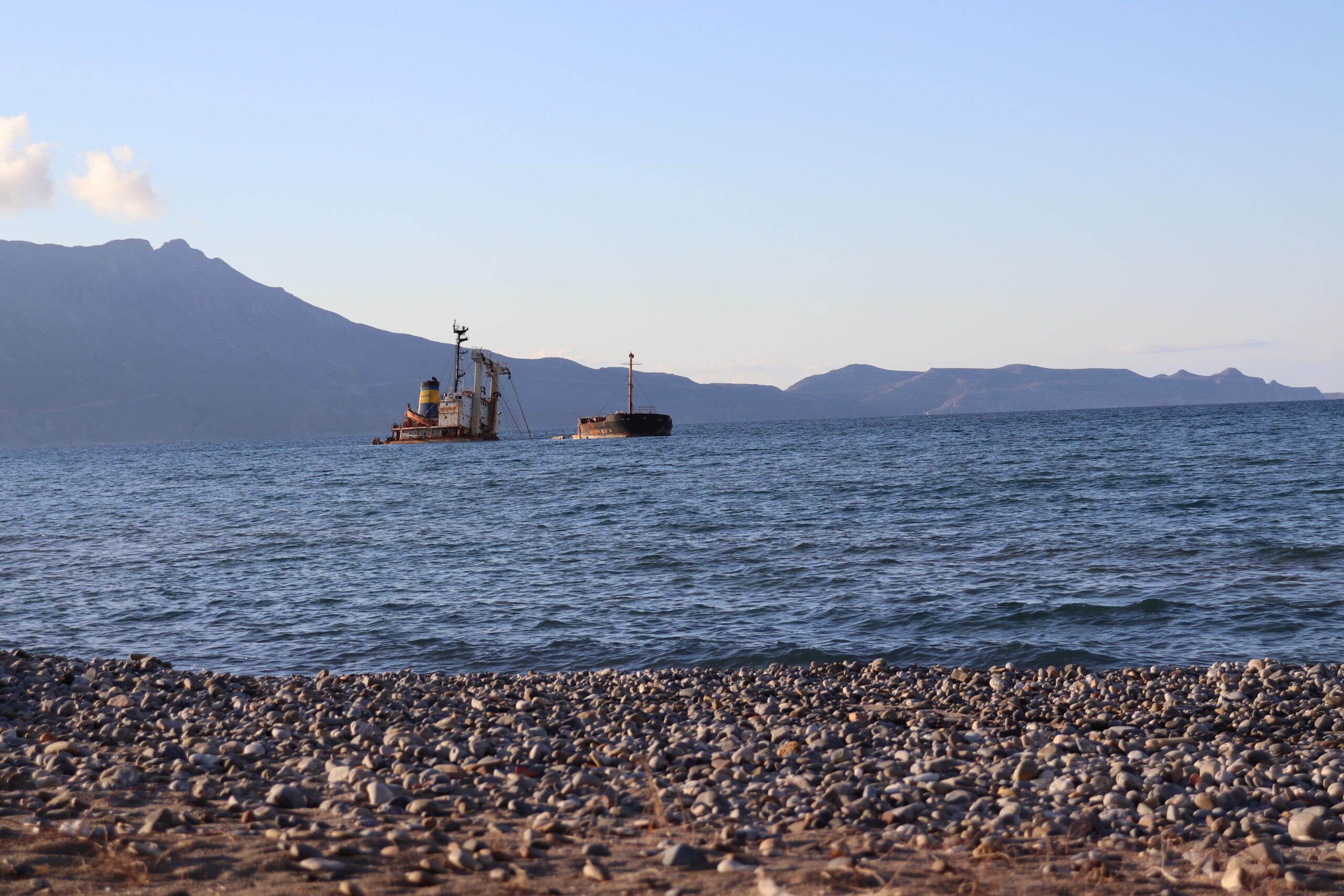
Not all movement indicates rough conditions. Surface chop consists of small, irregular ripples caused by light wind and usually does not affect swimming significantly.
Real waves involve consistent sets with force, affecting entry, balance, and underwater clarity.
How Waves Affect Swimming Comfort
Waves increase physical effort when entering or exiting the water. They can reduce visibility, stir sand, and create unpredictable movement near the shore.
Strong waves may limit swimming to confident swimmers only.
Reading Conditions on Arrival
Observing wave rhythm, sound, and water color provides quick insight into conditions. Continuous white foam, loud surf, and murky water usually indicate active wave conditions.
Calm seas appear smooth, quieter, and more transparent.
When Waves Are a Reason to Change Plans
Persistent waves often signal that another beach or coastline may offer better conditions. Forcing a beach visit despite rough water rarely leads to satisfaction.
Flexibility is key to successful beach planning in Crete.
Calm Sea and Waves as Part of Beach Logic
Sea state should be evaluated together with wind, beach type, and access. A pebble beach may handle waves better than a sandy one, while sheltered locations often outperform open shores.
Learning to read sea conditions allows confident, informed beach choices rather than relying on fixed reputations.