If you want to understand the diversity of coastal landscapes on the island, start with the main Crete Beaches by Type guide to explore different beach environments found in Crete.
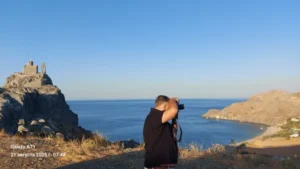
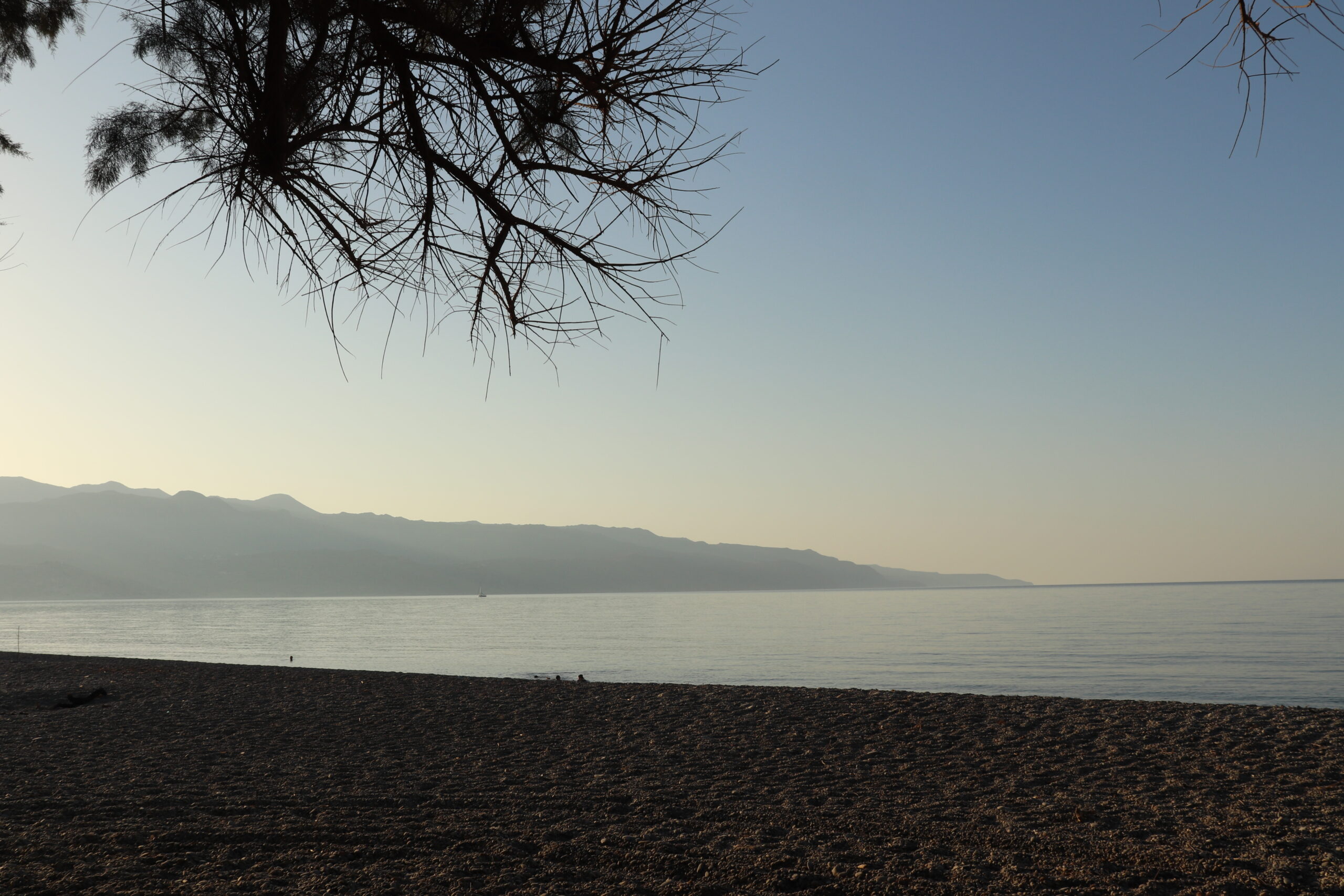
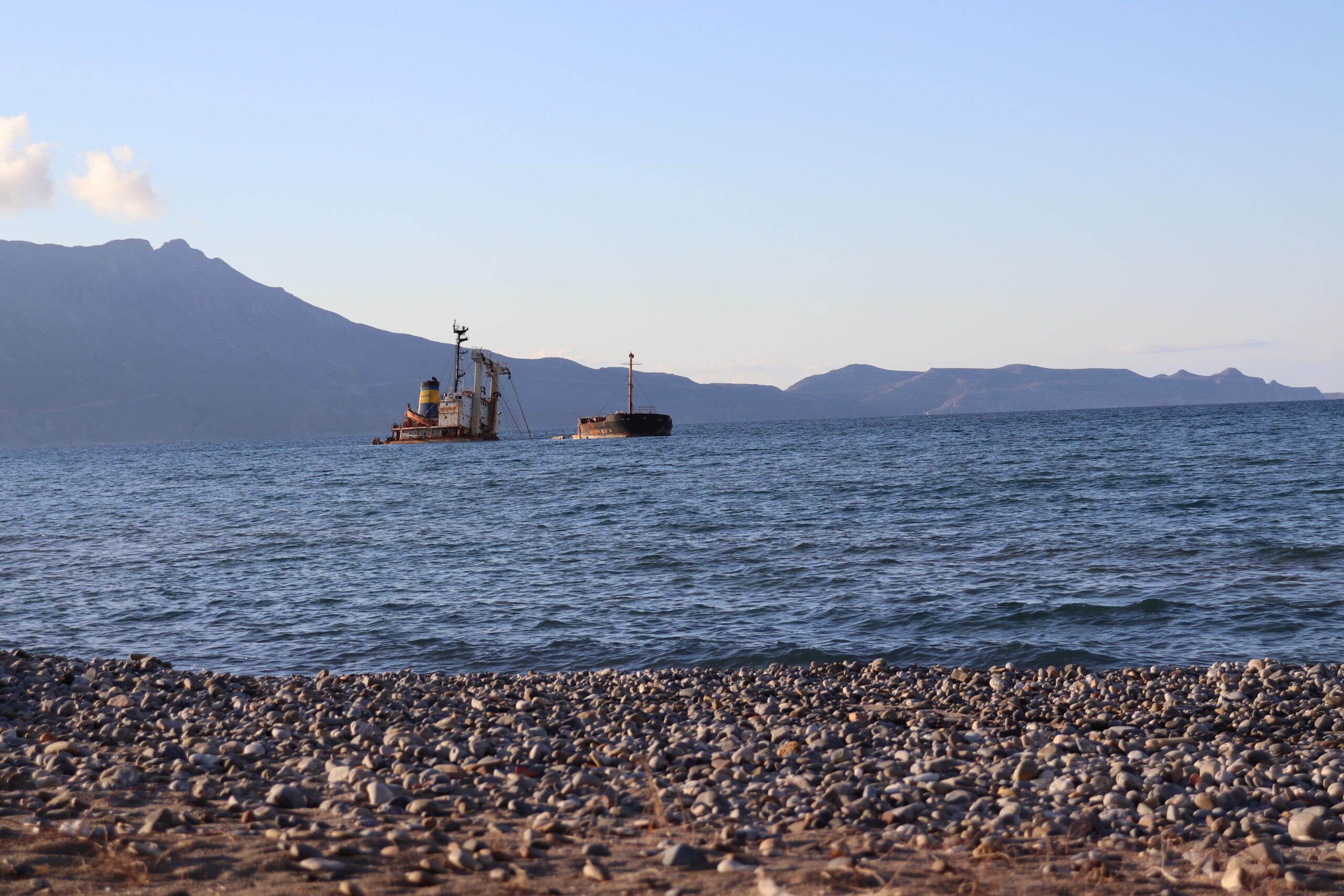
Crete has one of the longest coastlines in the Mediterranean, and not every part of it has been developed for tourism. In many areas the coast remains largely untouched, creating natural beaches surrounded by mountains, cliffs, and open landscapes.
These beaches often offer a quieter and more remote atmosphere compared with popular resort beaches.
What Is a Natural Beach
A natural beach is usually defined as a beach with minimal or no tourism infrastructure. These beaches typically do not have organized sunbeds, large beach bars, or extensive facilities.
Instead, they remain close to their original natural state.
The surrounding landscapes often include dunes, cliffs, coastal vegetation, or rocky terrain.
Where Natural Beaches Are Found
Natural beaches can be found across many parts of Crete. They are more common in areas where development is limited or access is more difficult.
The south coast of the island contains many natural beaches because large parts of the region remain less urbanized than the northern coastline.
Mountain ranges that reach the sea also create isolated bays and coastal valleys where natural beaches remain preserved.
Remote Coastal Landscapes
Many natural beaches are located in remote landscapes far from large towns. Visitors often reach these beaches by driving along smaller coastal roads or hiking short distances.
The absence of large buildings or resort infrastructure allows these areas to maintain a wild coastal character.
This environment often provides spectacular scenery combining sea, mountains, and open landscapes.
Wild Beaches and Coastal Nature
Natural beaches often appear in areas with strong natural features such as cliffs, rocky headlands, or sand dunes.
These coastal environments may also support wildlife, including birds and marine species that rely on relatively undisturbed habitats.
The absence of large tourist facilities helps preserve these ecosystems.
Swimming Conditions
Swimming conditions vary depending on the geography of each beach. Some natural beaches lie inside protected bays with calm water, while others face the open sea.
Because facilities are limited, visitors should always pay attention to weather conditions before entering the water.
Clear Mediterranean water and natural surroundings often make swimming especially enjoyable.
Advantages of Natural Beaches
- Quiet and peaceful atmosphere
- Minimal development
- Beautiful natural scenery
- Opportunity to explore remote areas
- Closer connection to coastal nature
These characteristics attract visitors who prefer wild landscapes rather than busy resort environments.
Preparation for Visiting
Because natural beaches usually have limited infrastructure, visitors should prepare accordingly. Bringing water, food, and sun protection can make the visit more comfortable.
Travelers should also check access roads and parking conditions before visiting remote beaches.
Good preparation helps ensure a safe and enjoyable experience.
Respecting Natural Environments
Many natural beaches are located in fragile ecosystems. Visitors should avoid leaving waste or disturbing wildlife.
Protecting these landscapes helps preserve their natural beauty for future visitors.
Responsible travel practices are especially important in remote coastal areas.
Why Natural Beaches Attract Visitors
Natural beaches appeal to travelers who want to experience the island beyond typical tourist areas. The landscapes often feel more authentic and less crowded.
The combination of sea, mountains, and open coastline creates some of the most dramatic scenery in Crete.
These beaches reveal another side of the island’s diverse coastline.
Conclusion
Natural beaches in Crete offer a quieter and more untouched coastal experience. Surrounded by wild landscapes and often located far from major tourist centers, they provide a different perspective on the island’s shoreline.
For travelers interested in exploring Crete’s natural environment, these beaches highlight the island’s remarkable coastal diversity.