If you want to explore the island, start with the main
Crete in Winter guide.
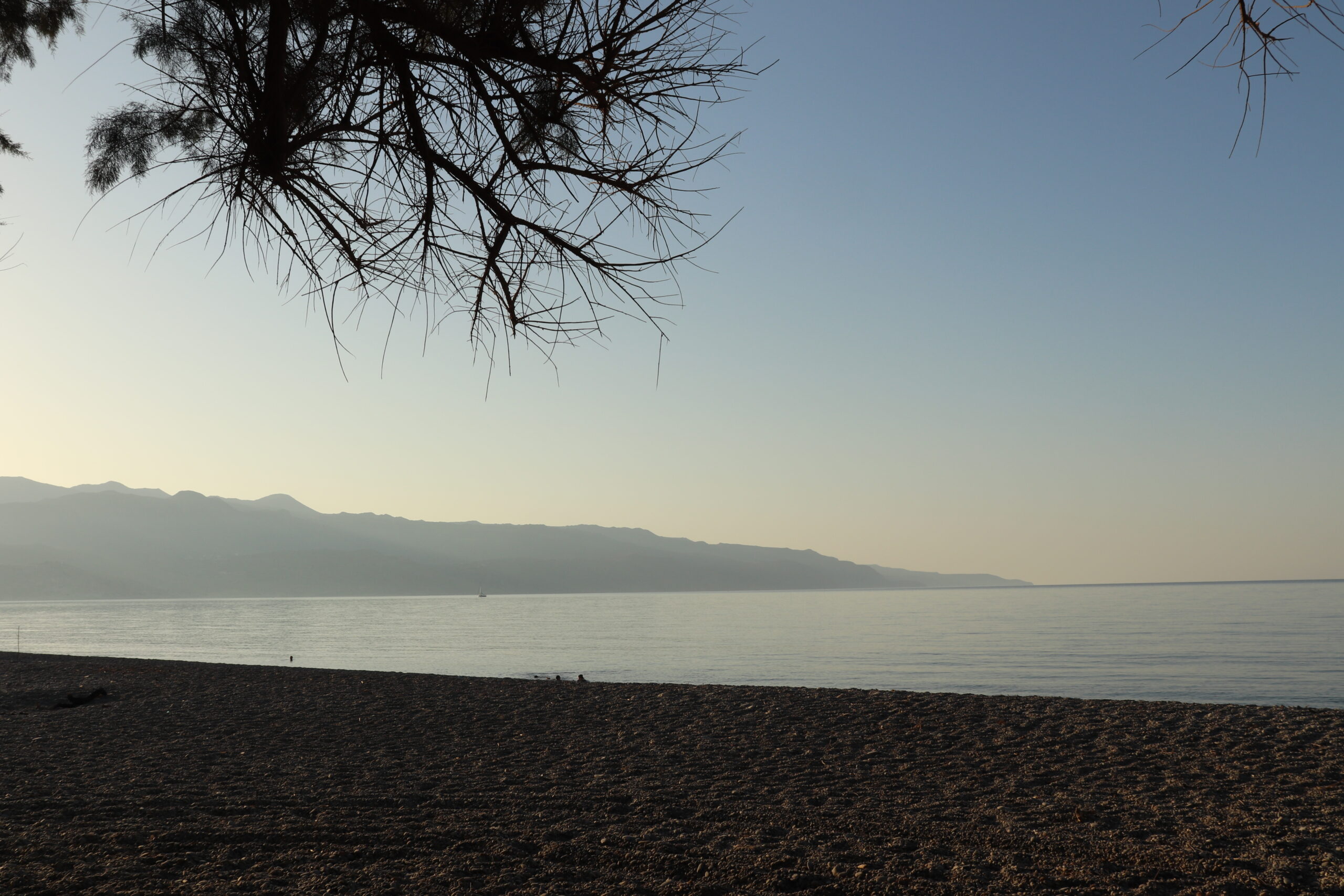
January is the middle of winter in Crete and one of the calmest times of the year to visit the island. Tourism is minimal, beaches are quiet, and daily life follows a slower rhythm compared with the busy summer season.
Although January is not ideal for swimming or beach holidays, it can be an interesting time for travelers who want to explore cities, historical sites, and the island’s landscapes without crowds.
Weather in Crete in January
January is typically the coolest month of the year on the island. Even so, temperatures remain mild compared with most European winter destinations.
- Average daytime temperature: 13–16°C
- Night temperature: 8–11°C
- Sea temperature: around 17°C
Rainfall is more frequent than during other seasons, but rain usually arrives in short periods followed by sunny weather.
Between storms the island often experiences bright sunshine and clear skies.
How Quiet the Island Becomes
January is the low point of tourism in Crete. Many beach resorts slow down or temporarily close because they depend heavily on summer visitors.
However, the island’s main cities continue functioning normally because they serve large local populations.
- Chania
- Rethymno
- Heraklion
- Agios Nikolaos
Restaurants, cafés, markets, and shops remain open in these cities throughout the year.
Exploring Cities and Old Towns
Without tourist crowds, historic towns feel far more relaxed in January. Visitors can walk through narrow streets, explore harbors, and enjoy local cafés at a slower pace.
Chania’s Venetian harbor, Rethymno’s old town, and Heraklion’s historic center become much easier to explore compared with the busy summer season.
Visiting Archaeological Sites
January is also a good time to visit historical sites across the island. Cooler weather makes walking through ancient ruins more comfortable.
Popular archaeological sites such as Knossos or Phaistos receive far fewer visitors during winter months.
This allows travelers to explore the sites more quietly and take time to understand the history of the island.
Nature and Landscapes in January
After autumn and winter rains the island becomes green again. Hills, valleys, and olive groves look very different from the dry landscapes of summer.
Mountain ranges such as the White Mountains or Psiloritis may also receive snow during winter. From the coast visitors can sometimes see snow-covered peaks rising above the countryside.
This contrast creates dramatic winter scenery.
Driving Around the Island
Driving is one of the easiest ways to explore Crete in January. Roads are quiet and parking in cities is much easier than during peak season.
Travelers should still be cautious when driving in mountain areas during rainy weather or fog.
With reasonable care, winter road trips can be very enjoyable.
Accommodation in January
Because January is the low tourism season, accommodation prices are often lower than during summer.
Visitors will find the best accommodation options in cities that remain active year-round rather than small seasonal beach resorts.
Chania, Rethymno, and Heraklion provide the most reliable winter bases.
What to Pack for January
Winter travel in Crete requires slightly warmer clothing than summer visits.
- light jacket or coat
- long trousers
- comfortable walking shoes
- rain jacket or umbrella
Layered clothing helps adjust to changing weather throughout the day.
Advantages of Visiting Crete in January
Traveling to Crete in January offers several benefits for visitors who prefer quiet destinations.
- very few tourists
- lower accommodation prices
- green landscapes after winter rain
- authentic local atmosphere
These conditions allow travelers to experience the island in a much more relaxed way.
Summary of Crete in January
Crete in January offers a peaceful and authentic travel experience. The island feels calm, temperatures remain mild, and landscapes are greener than during the summer months.
While winter is not beach season, it can be a rewarding time for travelers interested in culture, landscapes, and exploring the island without crowds.