If you want to explore the island, start with the main
Crete in Winter guide.
Winter weather in Crete is very different from the typical Mediterranean summer that most travelers imagine. From December through February the island experiences its coolest temperatures, occasional storms, and noticeably shorter days. However, winter in Crete is still much milder than in most European countries, which makes the island an interesting destination for travelers looking for a quiet off-season experience.
Instead of hot beaches and busy resorts, winter brings green landscapes, snow on the mountains, and a slower rhythm of local life. Understanding the winter climate helps visitors prepare properly and decide whether the season fits their travel expectations.
Average Winter Temperatures in Crete
Winter temperatures in Crete remain relatively comfortable compared with most of Europe. Coastal areas rarely experience freezing conditions, and daytime temperatures are usually mild enough for outdoor activities.
- December average daytime temperature: 15–18°C
- January average daytime temperature: 13–16°C
- February average daytime temperature: 14–17°C
Night temperatures can drop noticeably, especially when strong winds arrive from the north. Coastal towns such as Chania, Rethymno, Heraklion, and Agios Nikolaos usually stay a few degrees warmer than inland villages.
In mountainous areas the temperature difference becomes much more dramatic. The White Mountains and the Dikti range often receive snow during winter, creating a completely different landscape from the coast.
Rainfall and Storms in Winter
Winter is the wettest season on the island. Most of Crete’s annual rainfall happens between November and March, and December and January usually see the highest number of rainy days.
Rain does not fall continuously for days, but winter weather systems can bring short periods of intense showers followed by clear skies. A typical winter week might include several sunny days interrupted by occasional storms.
These rains are essential for the island’s natural environment. During winter the dry summer landscape transforms into green hills, flowing streams, and active waterfalls.
Sea Temperature in Winter
The Mediterranean Sea cools gradually after autumn. By winter the water temperature becomes too cold for most casual swimmers, although some visitors still enjoy brief swims on calm sunny days.
- December sea temperature: around 19°C
- January sea temperature: around 17°C
- February sea temperature: around 16–17°C
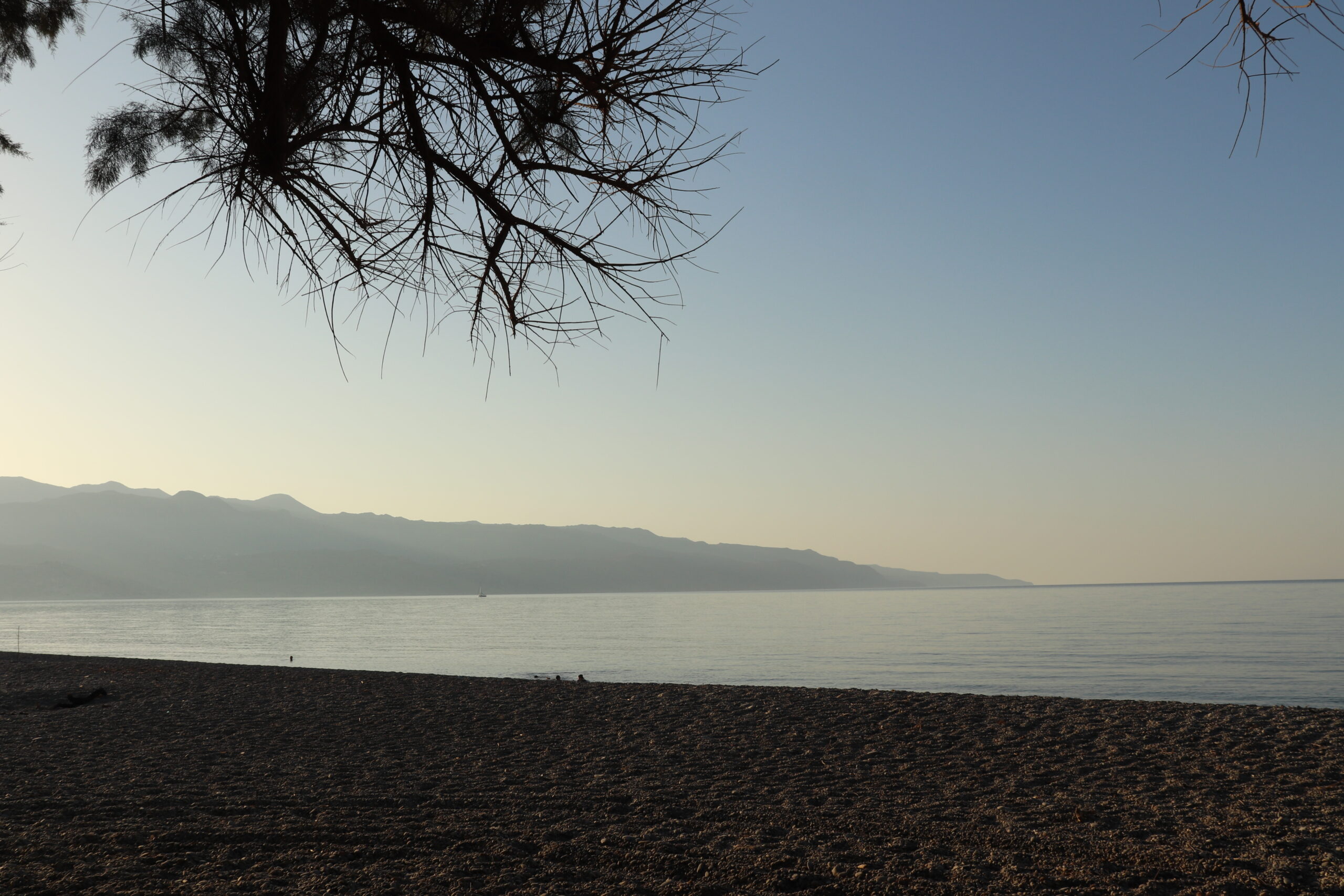
Beaches are quiet during winter months, and most organized beach facilities such as sunbeds and beach bars close until spring.
Wind Conditions During Winter
Wind plays an important role in Crete’s winter climate. Northern winds are common and can occasionally become strong, especially when winter storms move across the Mediterranean.
These winds make the air feel cooler than the actual temperature. Even when the thermometer shows 15°C, strong wind can make the weather feel significantly colder.
On the positive side, windy days often clear the sky quickly after storms, bringing bright sunshine and excellent visibility across the island.
Snow in the Mountains
Although snow is rare along the coast, it is common in the mountains of Crete. Peaks in the White Mountains (Lefka Ori), the Psiloritis range, and the Dikti Mountains frequently receive snow during winter.
This creates a striking contrast where visitors can sometimes see snow-covered mountains while standing near a sunny coastline. For photographers and nature lovers, winter offers a completely different visual experience compared to summer travel.
Daylight Hours in Winter
Winter days are shorter than during the tourist season. Daylight typically lasts between nine and ten hours, with sunset arriving early in the afternoon.
- December sunset: around 17:10
- January sunset: around 17:30
- February sunset: around 18:00
Travelers planning outdoor activities should keep the shorter daylight period in mind, especially when exploring rural areas or mountain regions.
What Winter Weather Means for Travelers
Winter weather in Crete creates a completely different travel atmosphere compared with summer. Tourist crowds disappear, and many coastal resorts become quiet or partially closed.
However, cities remain active year-round. Local restaurants, cafés, and markets continue operating, offering visitors the chance to experience daily life on the island without the pressure of peak tourism.
For travelers interested in culture, food, landscapes, and authentic local experiences, winter weather can actually make Crete feel more relaxed and genuine.
How Winter Weather Changes the Landscape
After the dry summer months, winter rains transform the island’s scenery. Hills become green again, olive groves look fresh, and rivers and waterfalls begin flowing.
This seasonal transformation is one of the most surprising aspects of winter travel in Crete. Visitors who only know the island from summer photographs often do not expect how lush the landscape can become during the cooler months.
Who Should Visit Crete in Winter
Winter travel in Crete is best suited for certain types of visitors. Travelers looking for beach holidays and swimming weather will likely prefer the warmer months.
However, winter is ideal for travelers interested in:
- quiet towns without tourist crowds
- local culture and food experiences
- scenic landscapes and photography
- relaxed travel without summer heat
The season offers a slower and more authentic view of life on the island.
Summary of Crete Winter Weather
Winter weather in Crete is mild but unpredictable. Travelers should expect cooler temperatures, occasional rain, and windy days, balanced by periods of sunshine and peaceful surroundings.
While winter is not the typical beach season, it provides a unique opportunity to explore the island in a different atmosphere. Green landscapes, snow-covered mountains, and quiet coastal towns create a side of Crete that many summer visitors never see.