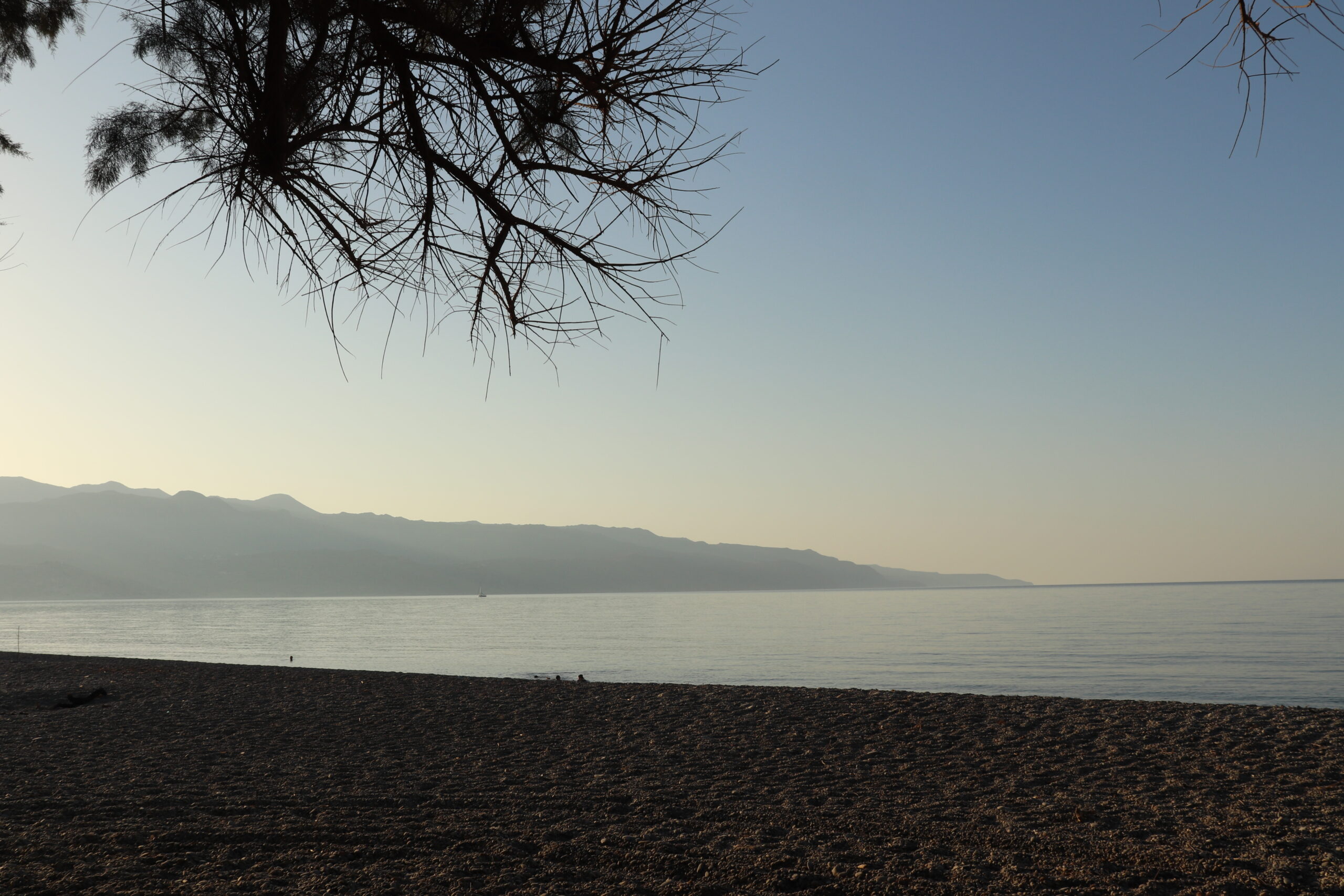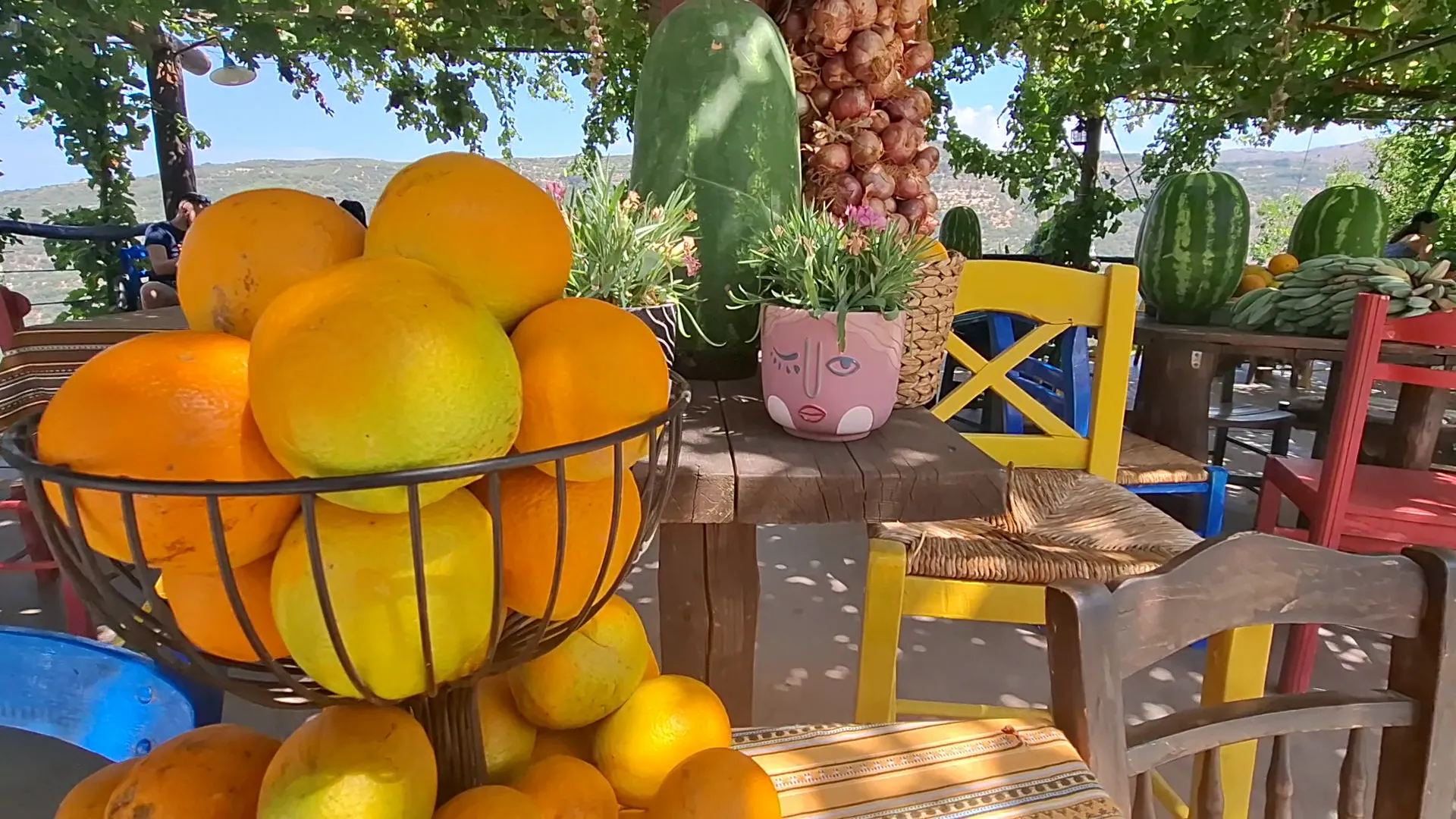
Crete Travel Guides (2026) is your starting point for planning a real journey across Crete — from airports and transport to beaches, routes, food and where to stay. Use the sections below to navigate the island with confidence.
Arriving in Crete
Airports, ports, transfers and first-day logistics — everything you need to land, pick up your car and start your journey smoothly.
Best Beaches in Crete
From iconic lagoons to wild south-coast escapes — choose beaches by region, season and travel style.
Getting Around Crete
Car rental, driving conditions, buses, ferries and realistic travel times across the island.
Where to Stay in Crete
Best bases for first-time visitors, beach lovers, road trips and slow travel across the island.
Why You Need a Travel Guide for Crete
Crete is not just the largest Greek island — it is a world of its own. Mountains, gorges, ancient cities, beaches, villages and vibrant towns coexist on a scale that surprises even experienced travelers. Exploring Crete without guidance often leads to rushed days, long drives and missed experiences.
This guide hub is designed to help you plan with clarity — whether you are visiting Crete for the first time or returning to discover deeper layers of the island.
Transportation in Crete
Renting a Car
Renting a car is the most flexible way to explore Crete. Local agencies often provide better value than international brands, but knowing what to check — insurance terms, fuel policies and deposit rules — makes all the difference.
Driving Conditions
Expect mountain roads, narrow village streets and varying driving styles. Distances on the map can be deceptive — travel time matters more than kilometers.
Public Transport
KTEL buses connect major towns reliably, while airport buses and taxis cover short routes. Ferries link Crete with other Greek islands and mainland ports.
Planning Your Itinerary
Best Time to Visit Crete
Summer brings beach weather and crowds. Spring and autumn offer the best balance of warm sea, hiking conditions and quieter roads. Winter reveals a slower, local side of the island.
How Long to Stay
Short trips work best when focused on one region. A full island experience requires time — Crete rewards slow travel.
Suggested Routes
Western Crete for beaches and lagoons, Central Crete for history and cities, Eastern Crete for landscapes and quieter rhythms.
Accommodation Tips
Hotels vs Apartments
Hotels offer comfort and service; apartments provide independence and space. Your choice should match your travel style, not just your budget.
Luxury & Budget Options
From boutique hotels in Chania Old Town to family guesthouses in mountain villages, Crete offers accommodation for every pace and preference.
Local Culture & Etiquette
Food Culture
Meals are social moments. Sharing dishes, local wine and raki after dinner are part of everyday life, not tourist rituals.
Festivals & Events
Village feasts, religious celebrations and summer festivals reveal Crete beyond guidebooks.
Communication
English is widely spoken in tourist areas, but even a few Greek words are met with genuine warmth.
Practical Tips
Money & Payments
Cards are accepted in most places, but cash remains essential in villages and small tavernas.
Safety & Health
Crete is generally safe, but sun protection, hydration and realistic planning are crucial.
Internet & Connectivity
Mobile coverage is good across most regions, making navigation and remote planning easy.
Crete Travel Guides (2026) form the backbone of the CreteTales network. Each section above leads to deeper, experience-driven guides created from real travel across the island — not recycled lists.
Use this page as your foundation, and build your Crete journey step by step.