If you want to explore the island, start with the main
Crete in Winter guide.
Winter temperatures and sea conditions in Crete are very different from the warm summer climate most travelers expect. Between December and February the island experiences its coolest air temperatures, stronger winds, and gradually cooling sea water.
Although winter in Crete is mild compared to northern Europe, beach swimming becomes less common during this period. Instead, the season offers cooler weather that is better suited for sightseeing, exploring cities, and enjoying the island’s natural landscapes.
Average Winter Temperatures in Crete
Winter temperatures remain relatively moderate, especially along the coast. The Mediterranean Sea helps regulate the climate, preventing extreme cold.
- December daytime temperature: 15–18°C
- January daytime temperature: 13–16°C
- February daytime temperature: 14–17°C
Night temperatures can fall several degrees lower, particularly during windy periods. Inland areas and mountain villages are noticeably colder than coastal towns.
Although freezing temperatures are rare along the coast, mountain regions of Crete frequently experience much colder conditions during winter.
How the Sea Temperature Changes in Winter
The Mediterranean Sea cools slowly after autumn because water retains heat longer than air. At the start of winter the sea is still relatively warm from the long summer season.
- December sea temperature: about 19°C
- January sea temperature: about 17–18°C
- February sea temperature: about 16–17°C
These temperatures are usually too cold for long swimming sessions, but some visitors still enter the sea briefly during calm sunny days.
Local residents occasionally swim during winter, although most beaches remain quiet until the warmer months return.
Wind and Sea Conditions
Winter sea conditions are influenced heavily by wind. Northern winds can create rougher waves and cooler coastal temperatures.
Storm systems moving across the Mediterranean sometimes produce short periods of strong winds and high waves along exposed coastlines.
After these weather systems pass, the island often experiences clear skies and calm conditions again.
Protected bays and southern coastlines may remain calmer than northern beaches during windy days.
Rainfall and Cloud Cover
Winter is the wettest season in Crete. Rainfall helps restore vegetation after the dry summer months and turns the island’s landscape green again.
Most rain arrives through passing storm systems rather than continuous rainfall lasting many days. Between these storms, sunny periods often return.
This mix of rain and sunshine creates dramatic winter skies and vibrant natural scenery across the island.
Snow in the Mountains
While coastal areas rarely see snow, Crete’s mountain ranges frequently receive snowfall during winter.
The White Mountains, Psiloritis range, and Dikti Mountains often become snow-covered, creating spectacular views visible from many coastal locations.
This contrast between snowy mountains and mild coastal temperatures is one of the most unique aspects of winter weather in Crete.
Can You Swim in Crete in Winter
Swimming in Crete during winter depends on personal tolerance for cooler water. For most travelers the sea feels too cold for regular swimming.
However, on sunny days with calm wind some visitors still enter the sea briefly. The water remains much warmer than in northern European seas during winter months.
Organized beach facilities such as sunbeds, beach bars, and water sports operations are usually closed during this season.
Beach Conditions During Winter
Although swimming becomes less common, beaches still remain beautiful places to visit during winter.
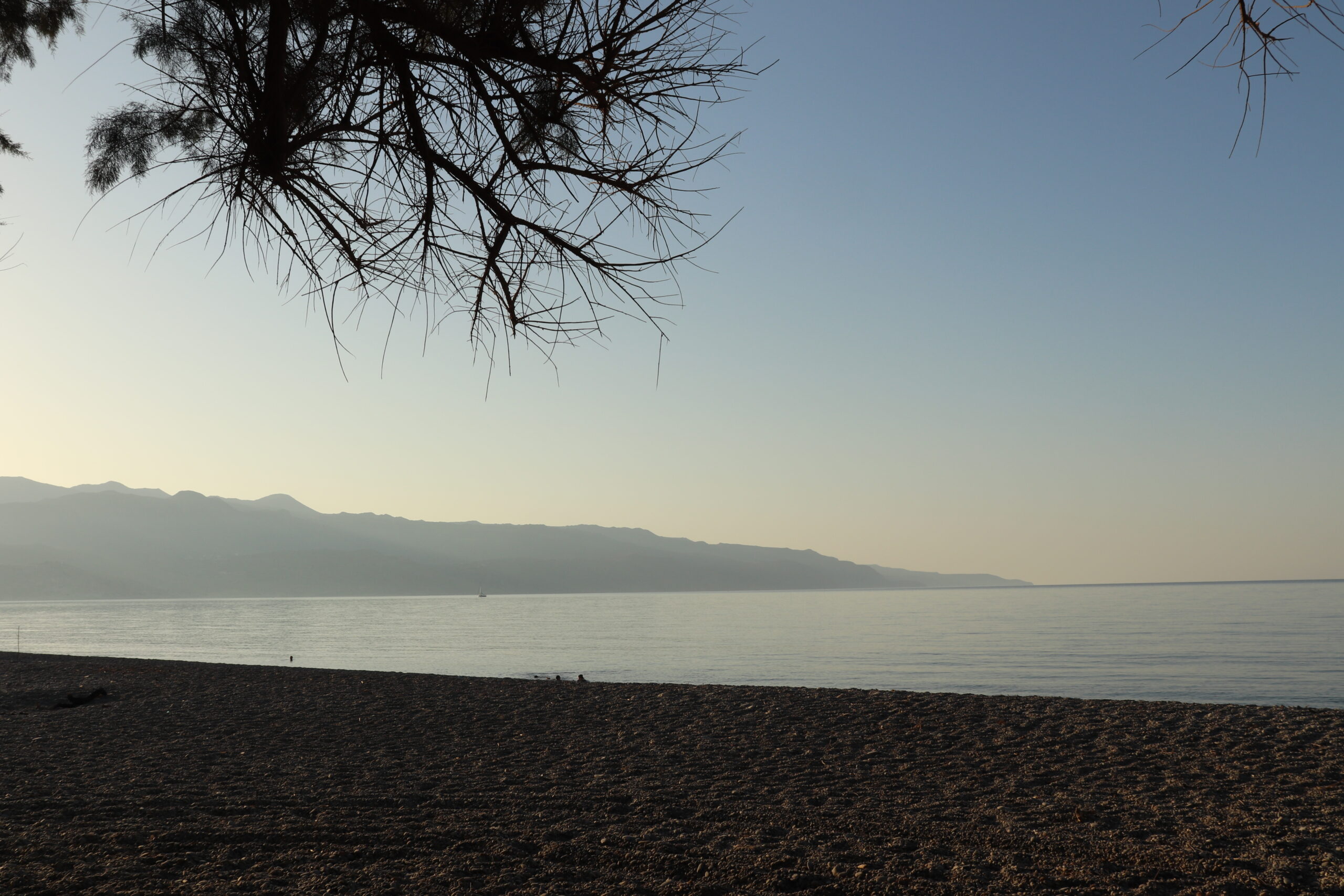
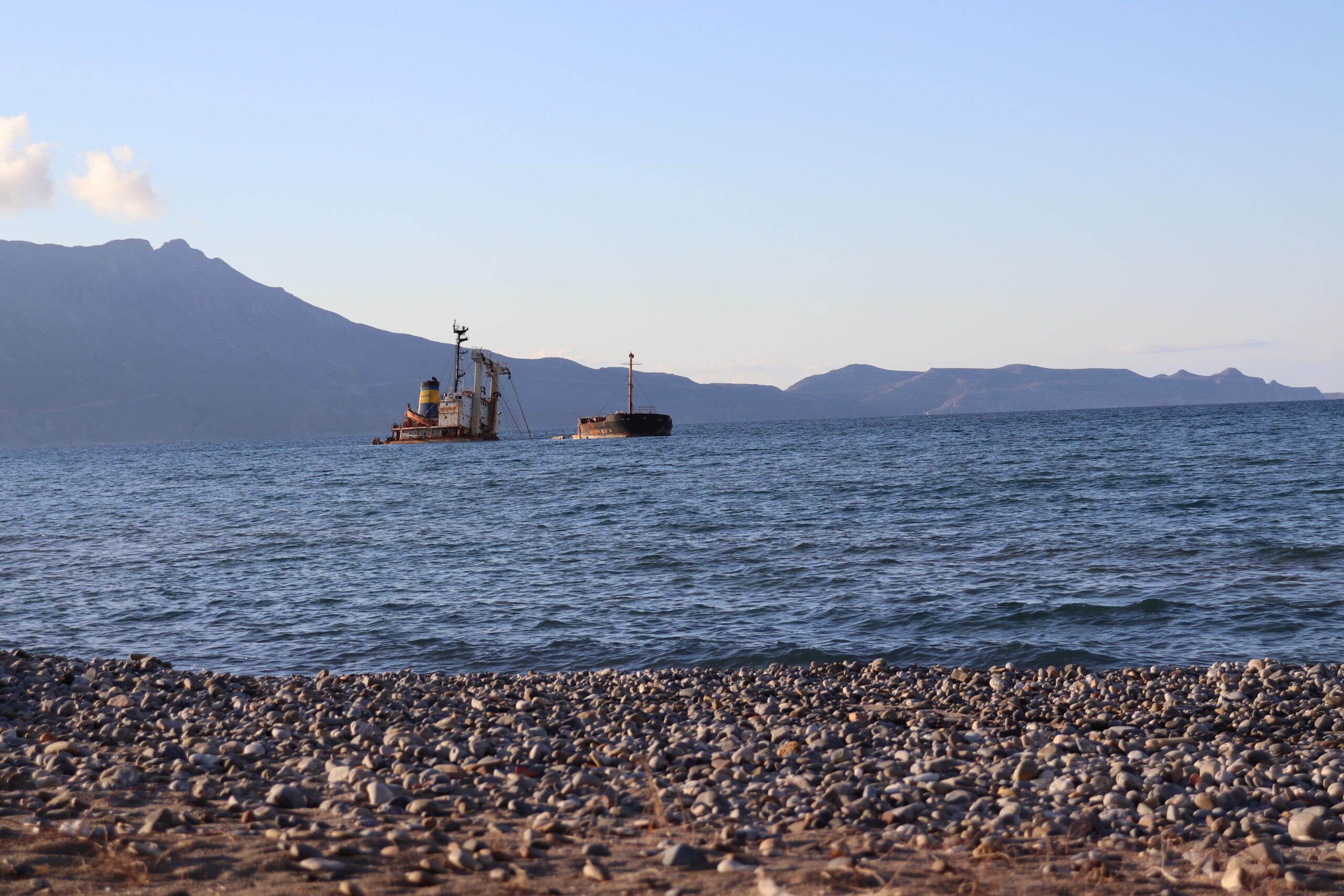
Many beaches are completely empty, creating peaceful environments for walking, photography, and enjoying the coastal scenery.
Winter sunsets along the coast can be particularly impressive after storm systems clear the sky.
What These Conditions Mean for Travelers
Winter temperatures and sea conditions change how visitors experience the island. Beach tourism becomes less important, while cultural exploration and nature experiences become more attractive.
Travelers often focus on historic towns, scenic drives, and traditional villages instead of spending long days at the beach.
The cooler weather also makes walking through cities and archaeological sites much more comfortable compared to the intense heat of summer.
Summary of Winter Temperatures and Sea Conditions
Crete’s winter climate remains mild compared with most of Europe, but it brings cooler air temperatures, colder sea water, and occasional storms.
While swimming becomes less common, the season offers comfortable temperatures for sightseeing and exploring the island’s landscapes.
For travelers who prefer quieter destinations and scenic winter views, these cooler conditions reveal a very different and often more peaceful side of Crete.