Beach Logic & Conditions in Crete
Why Coastline Choice Matters in Crete
Crete’s long, narrow shape and mountainous interior create strong contrasts between its northern and southern coastlines. While both offer beautiful beaches, their conditions are shaped by different exposures to wind and open sea.
Many visitors underestimate how much coastline choice influences swimming comfort, wave activity, and overall beach experience.
The North Coast: Convenience and Exposure
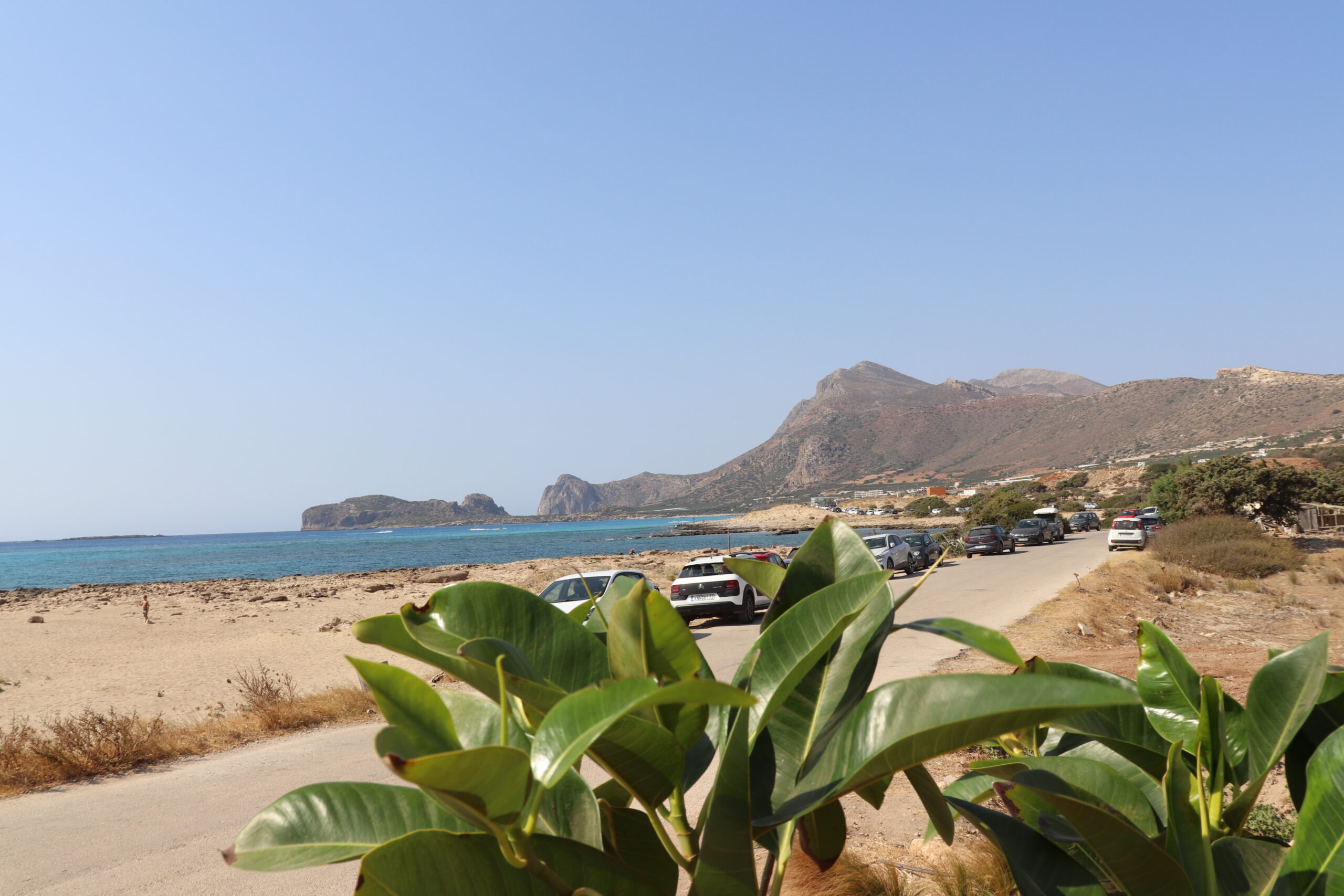
The north coast of Crete hosts the island’s main cities, resorts, and transport infrastructure. As a result, north-coast beaches are often closer to accommodations, restaurants, and major roads.
However, this convenience comes with greater exposure to prevailing northern winds. On windy days, waves, surface chop, and reduced water clarity are common. Even beaches that look protected can become uncomfortable when wind funnels through valleys and bays.
The South Coast: Shelter and Natural Conditions
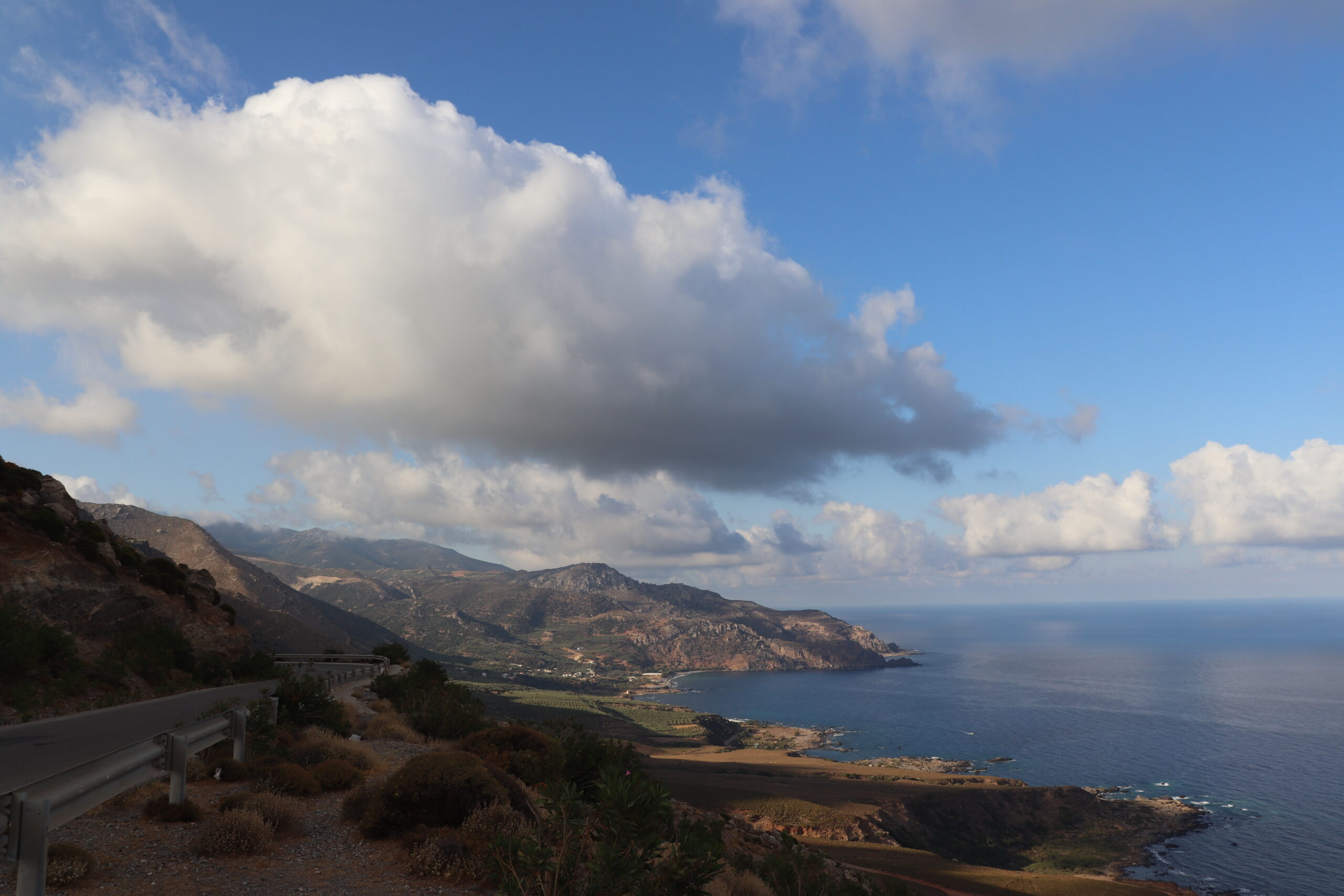
The south coast faces the Libyan Sea and is generally more sheltered from dominant northern winds. As a result, it often offers calmer sea conditions when the north coast experiences rough water.
South-coast beaches tend to feel wilder and less developed, with fewer towns and longer travel times. Access may involve mountain roads, limited services, or full-day planning.
Wind Patterns and Coastal Behavior
Wind direction is the primary reason the two coasts behave differently. When northern winds dominate, the north coast is directly exposed, while the south coast remains comparatively calm.
During rare southern wind events, conditions may reverse temporarily, but such situations are less frequent and usually short-lived.
Seasonal Differences Between the Coasts
Seasonality amplifies coastal contrasts. In summer, north-coast beaches may experience daily afternoon winds, while south-coast beaches often remain swimmable throughout the day.
In shoulder seasons, the south coast can offer more stable swimming conditions, while the north coast may feel unpredictable. In winter, both coasts become more weather-dependent, but the north is generally rougher.
Access, Time, and Planning Considerations
Choosing the south coast often means committing more time to travel. Mountain crossings, winding roads, and limited public transport affect how easily beaches can be reached.
The north coast suits shorter, spontaneous beach visits, while the south coast rewards those willing to plan ahead and dedicate a full day.
Which Coast Is Right for Your Beach Day?
The correct choice depends on conditions and priorities. When wind is strong and swimming comfort matters, the south coast is often preferable. When time is limited or conditions are calm, north-coast beaches may be perfectly suitable.
Understanding this logic helps avoid rigid plans and allows flexible decisions based on real conditions rather than fixed beach names.