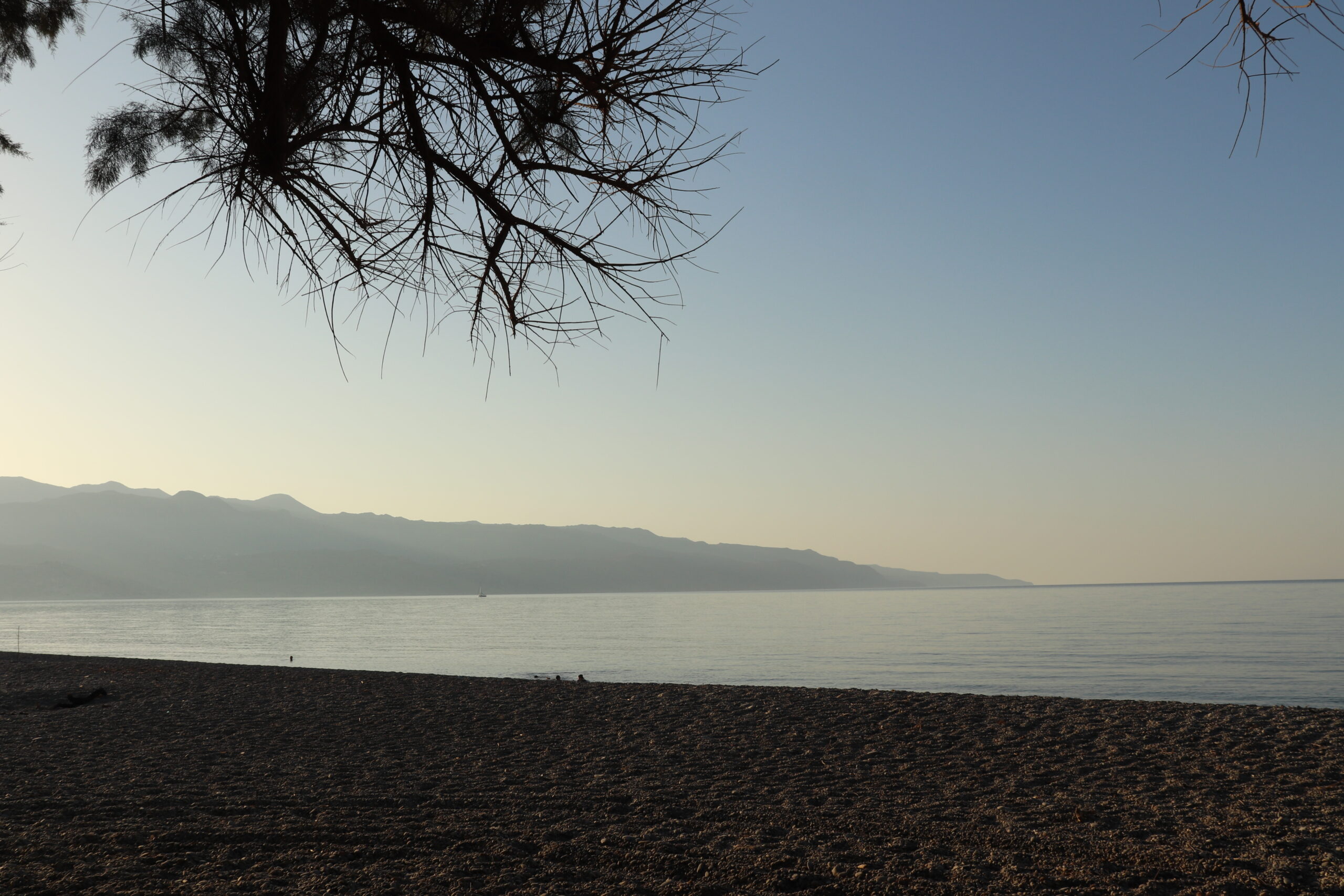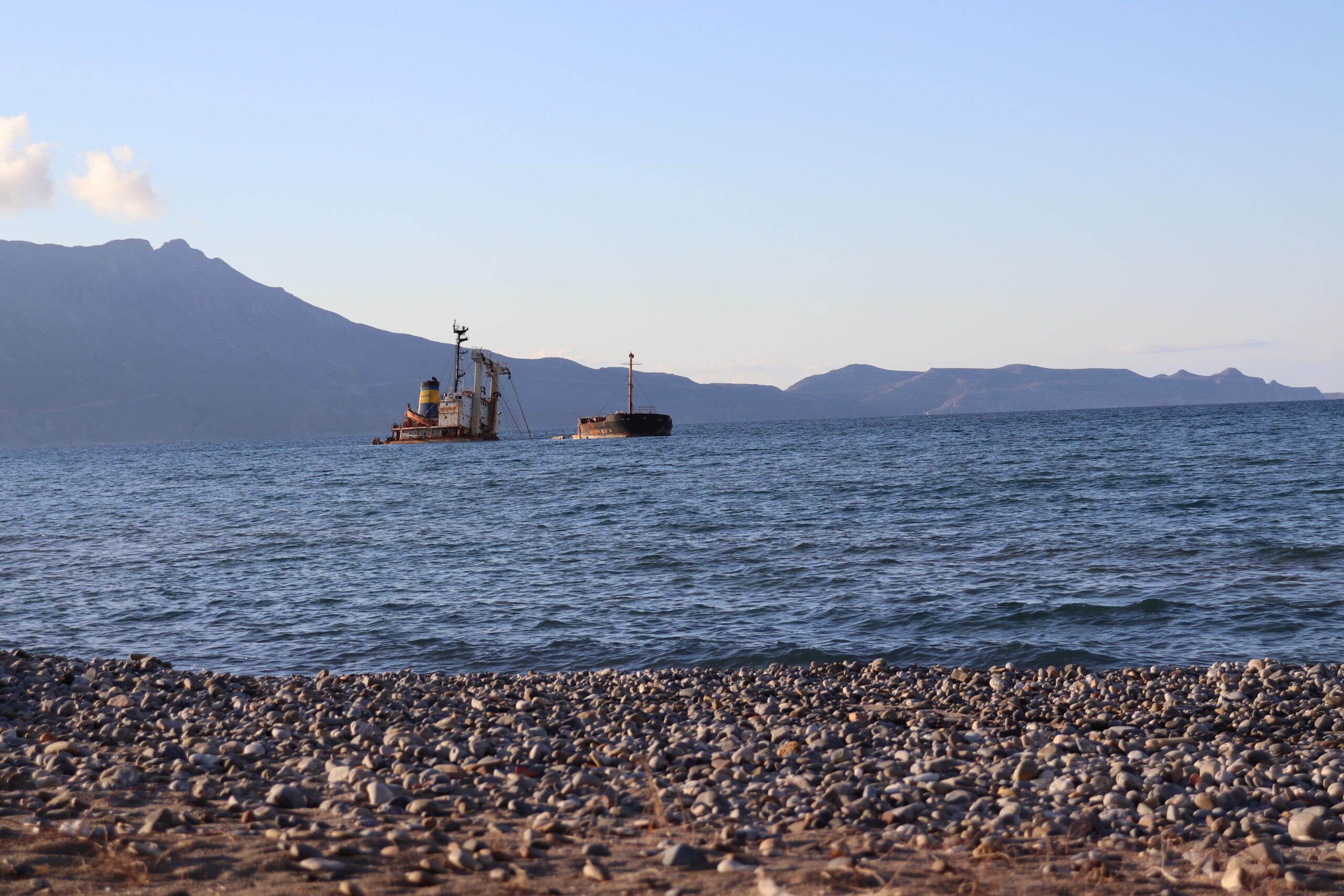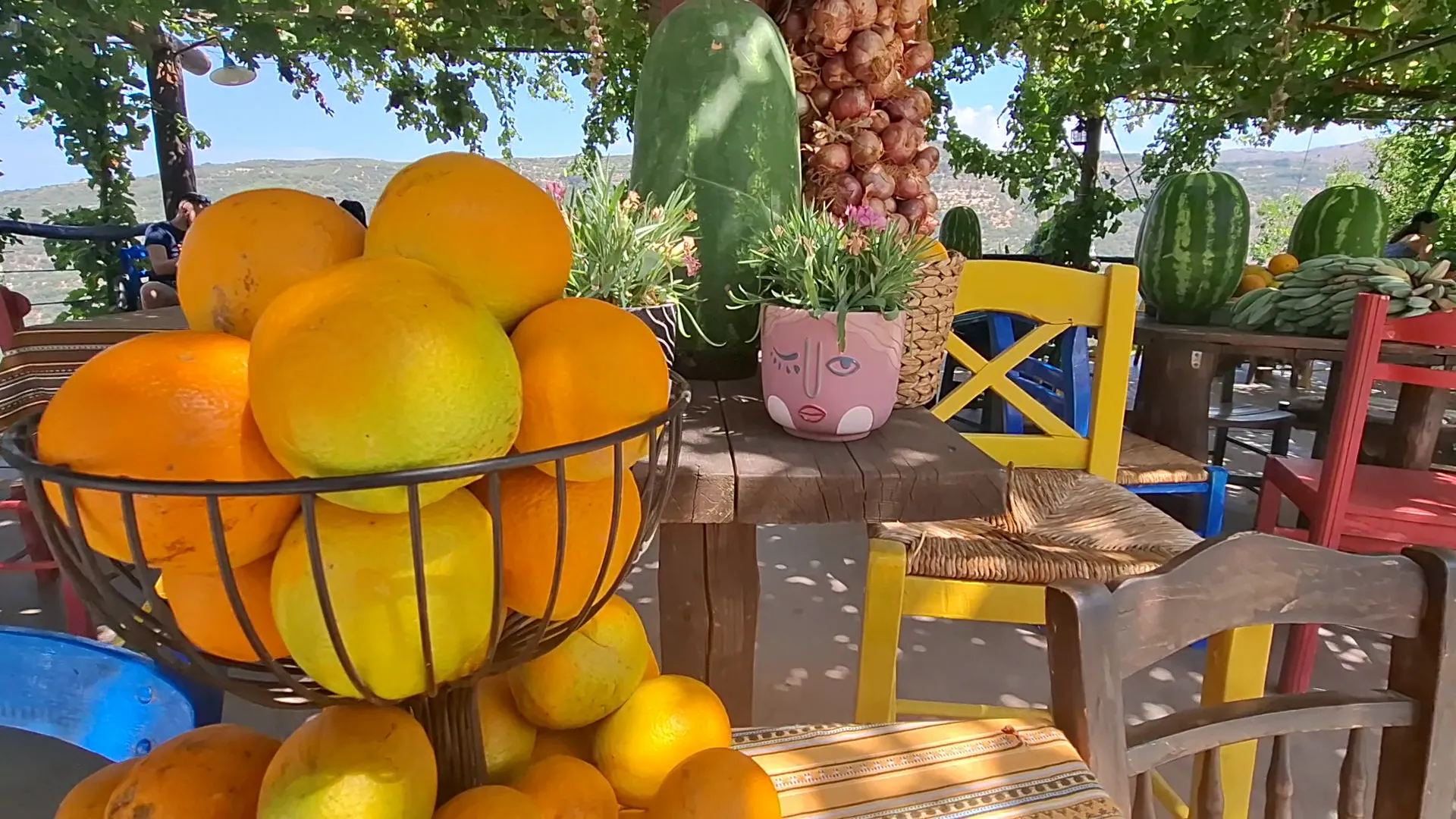
Sitia is not a resort you accidentally choose. It is a destination people come to after they understand Crete.
Unlike Agios Nikolaos or Elounda, Sitia does not try to entertain you. It provides a stable daily rhythm, easy movement, and a feeling of space. If your trip depends on nightlife, packed promenades, or hotel infrastructure — this town will feel empty. If your trip depends on calm mornings, predictable logistics and quiet evenings — it works exceptionally well.
What Sitia Actually Is
Sitia is a working coastal town that happens to function as a travel base. Life here continues regardless of tourism season, which changes the entire experience. Restaurants open because locals eat there, not because visitors must be entertained.
This creates three practical consequences:
- prices stay stable
- crowds remain manageable
- daily routine becomes predictable
You do not visit Sitia to “do things”. You stay in Sitia to structure your days.
Who Sitia Is For
Good match
- repeat visitors to Crete
- people planning slow trips
- travelers renting a car
- couples avoiding resort pressure
- long stays (5–10 days)
Bad match
- first visit to Crete with only 3–4 days
- hotel-centric vacations
- nightlife seekers
- people expecting organized beaches everywhere
The biggest mistake is choosing Sitia expecting Chania atmosphere. The town is intentionally quiet.
How the Town Works
The harbor is the center of movement. Almost all daily activity spreads along a single walking line: breakfast → swim → rest → dinner → evening walk.
Because distances are short, you rarely plan logistics inside the town. The planning only begins when deciding where to go outside the town.
This is why Sitia functions better as a base than as an attraction.
Beaches Around Sitia
The town beach is usable, not memorable. The real advantage is proximity to multiple directions:
- quick swims before breakfast
- half-day beach escapes
- full-day east coast trips
Instead of searching for the “best beach”, you rotate between options depending on wind and time available.
How Many Days You Need
Sitia becomes comfortable after the second day. The first day feels quiet, the second feels relaxed, and the third becomes structured.
Typical patterns:
- 2 days — stopover
- 4–5 days — balanced stay
- 7+ days — slow eastern Crete exploration base
Short stays rarely justify the distance required to reach Sitia.
Moving Around
Without a car, you live inside the town. With a car, Sitia turns into a hub.
Driving here is easier than western Crete. Roads are calmer and parking rarely becomes a daily problem. This changes the way you plan trips — you can decide destinations in the morning instead of preparing the night before.
Daily Rhythm
Mornings start slowly. The sea is usually calmer before 11:00. Midday heat encourages rest. Evenings bring the town to life again, mostly for dining rather than entertainment.
The rhythm repeats almost every day. Many travelers initially interpret this as “nothing happening”. After adjustment, it becomes the main advantage.
Using Sitia as a Base
Sitia works best when you separate activities into three categories:
- town days
- short drives
- long exploration days
Trying to constantly move defeats the purpose of staying here. The town rewards stable planning.
Common Planning Mistake
Visitors often place Sitia at the end of a fast itinerary. They arrive tired, stay one night, and leave thinking the town has no character.
Sitia only works when you allow repetition. The experience comes from routine, not intensity.
Conclusion
Sitia is not a highlight destination. It is a living base for eastern Crete. Travelers who need constant stimulation should stay elsewhere. Travelers who want calm structure often end up extending their stay.