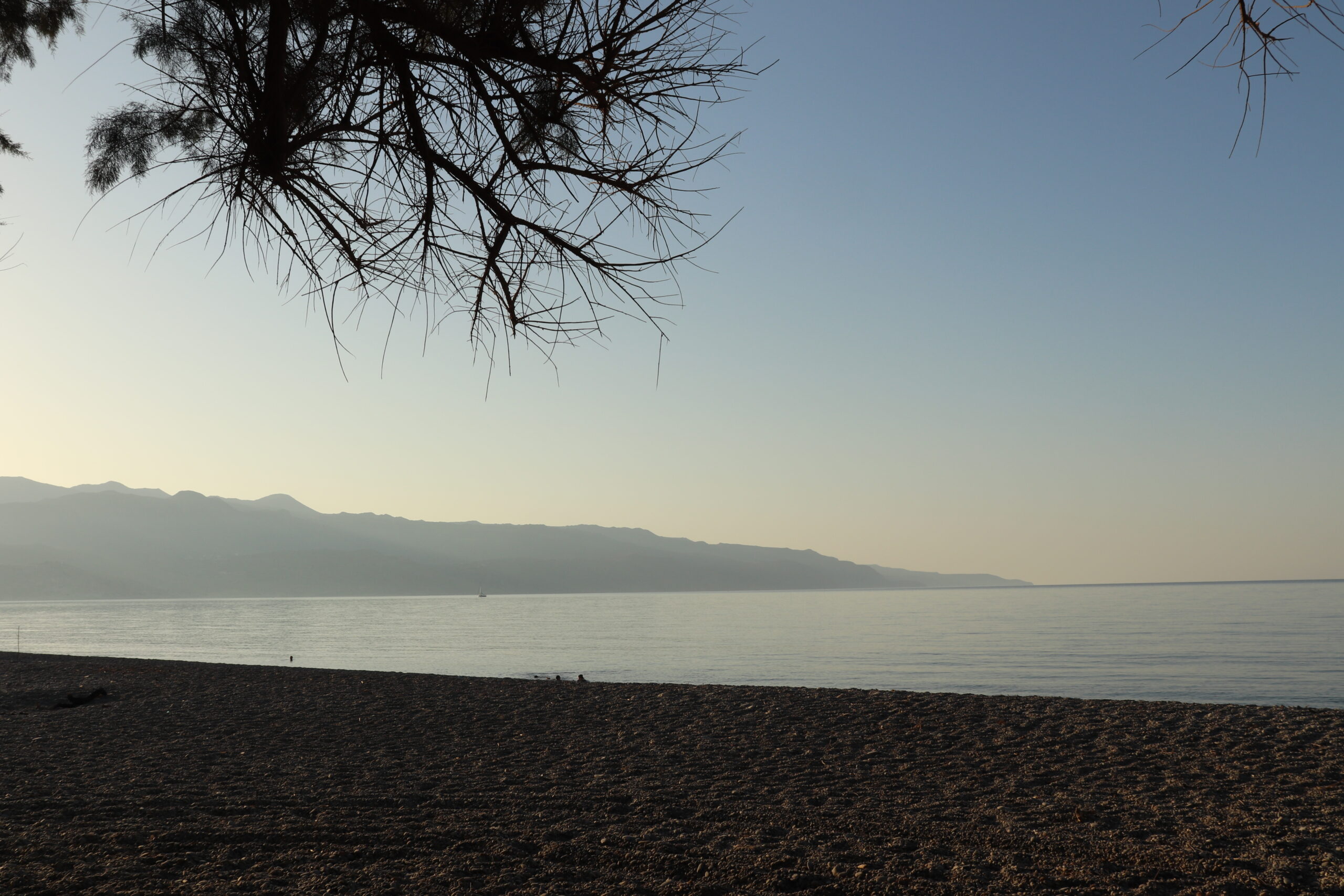
Sitia does not reveal itself immediately. The experience depends strongly on how many nights you spend here. Short visits feel quiet, longer stays feel comfortable.
One Night — Transit Stop
With only one night the town works as a rest point. You walk once, eat dinner and leave early. Most visitors at this length feel the place is calm but not memorable.
Two Nights — First Impression
You begin to understand the layout and daily rhythm, but the stay still feels like a visit rather than temporary living.
Three to Four Nights — Balanced Stay
The routine starts forming. You repeat places naturally and stop checking maps. At this point Sitia becomes relaxing instead of quiet.
Five to Seven Nights — Base Mode
The town works best here. Days vary slightly without planning and nearby options become part of normal life.
More Than a Week — Slow Travel
Stays longer than a week suit travelers using Sitia as a living base rather than a sightseeing location.
Why Short Stays Feel Different
Visitors expect highlights immediately. Sitia instead builds familiarity. Without time for repetition the main advantage never appears.
Choosing Based on Travel Style
- fast itinerary → 1–2 nights
- relaxed trip → 3–5 nights
- slow travel → 5+ nights
The town rewards patience more than speed.
How the Feeling Changes Each Day
The perception of Sitia usually follows a pattern:
- day 1 — unfamiliar and quiet
- day 2 — understandable
- day 3 — comfortable
- day 4+ — natural routine
The town rarely impresses immediately. It becomes easier instead.
When the Stay Is Too Short
If you leave before repetition begins, the town feels empty. Many short-stay visitors simply did not stay long enough to experience its purpose.
When the Stay Is Too Long
After many days some travelers want stronger change of scenery. At this point short trips help without moving accommodation.
Planning With Other Destinations
Sitia works better in the middle or end of a trip, not the beginning. After busy locations the slower rhythm becomes noticeable and appreciated.
The Practical Rule
If your trip focuses on movement, stay briefly. If it focuses on rest, stay longer. The correct duration depends more on travel style than number of attractions.
Typical Planning Mistake
Many travelers allocate time based on number of attractions. In Sitia this approach fails because the value comes from repeated comfortable days, not from visiting places once.
People often leave thinking they have already seen everything, while the town was never meant to be “seen”.
Example Stay Patterns
Short Trip
- arrival afternoon
- dinner and walk
- morning swim
- departure
Balanced Trip
- day 1 — orientation
- day 2 — relaxed routine
- day 3 — short variation
- day 4 — comfortable repetition
Slow Stay
- alternate calm days and occasional outings
- no fixed schedule
- stable daily rhythm
How to Decide Quickly
If you enjoy places more after the second day, stay longer. If you need novelty every day, plan a shorter stop and continue the route.
Comparing Trip Segments
In faster destinations days feel full immediately. In Sitia they become easier instead of fuller. The difference appears after moving from a busier place — effort drops and routine stabilizes.
Good Position in an Itinerary
- after active locations → relaxing contrast
- before departure → calm ending
- between long drives → recovery stop
When Travelers Extend the Stay
Many visitors plan two nights and add another after realizing they stopped organizing their day. The town often feels better on departure day than on arrival.
Final Decision Rule
If you want memories, shorter stays work. If you want comfortable days, add at least one extra night beyond your initial plan.