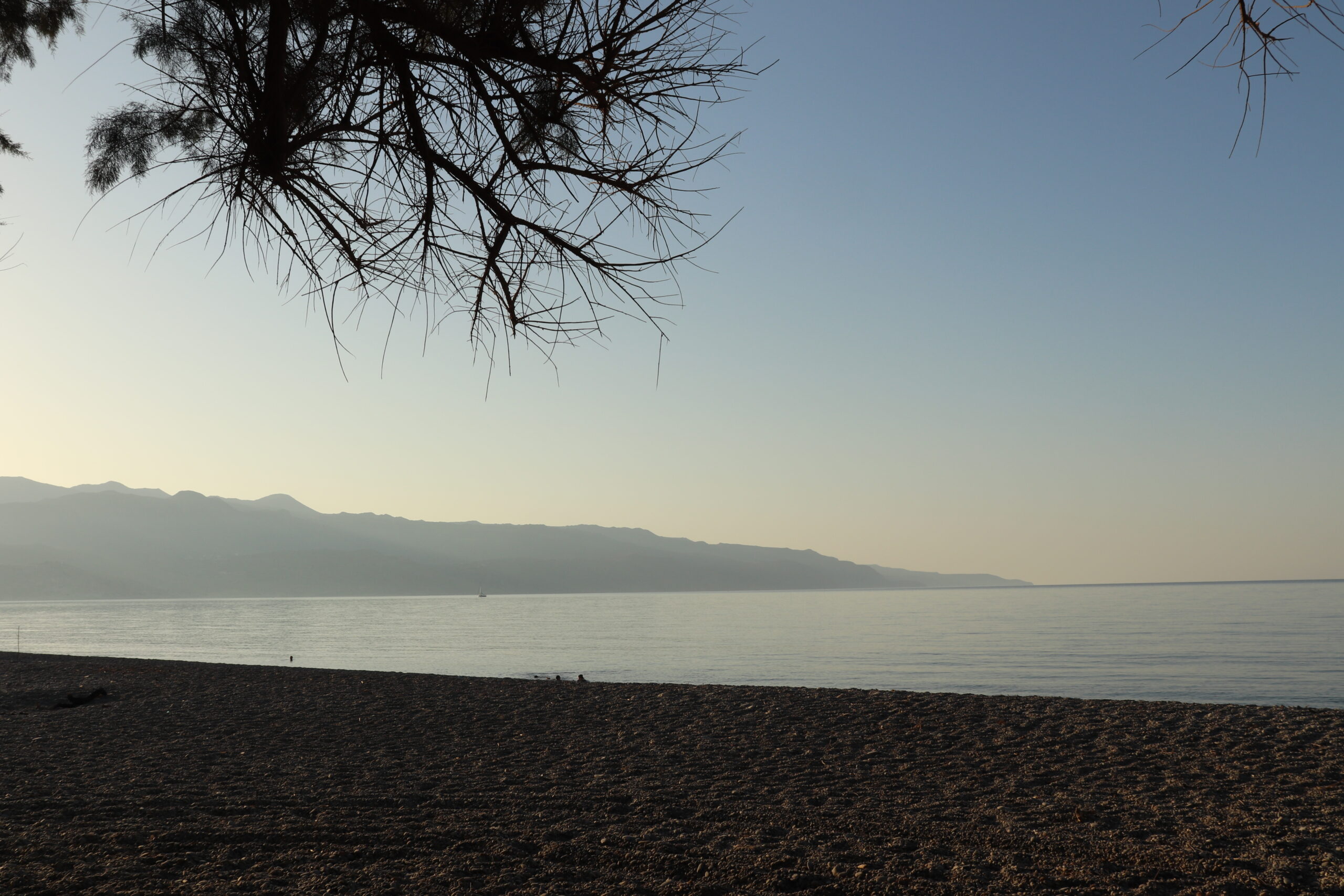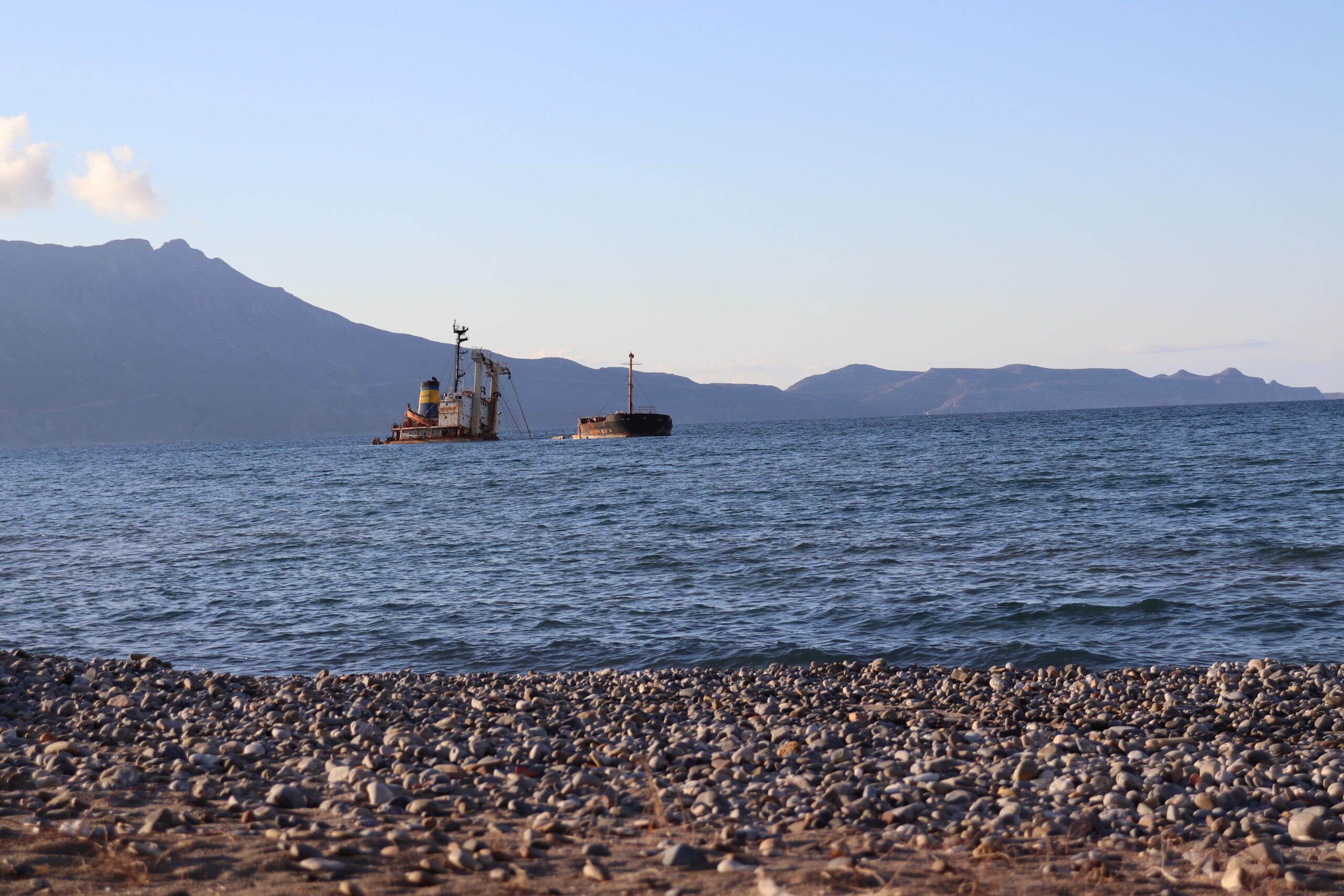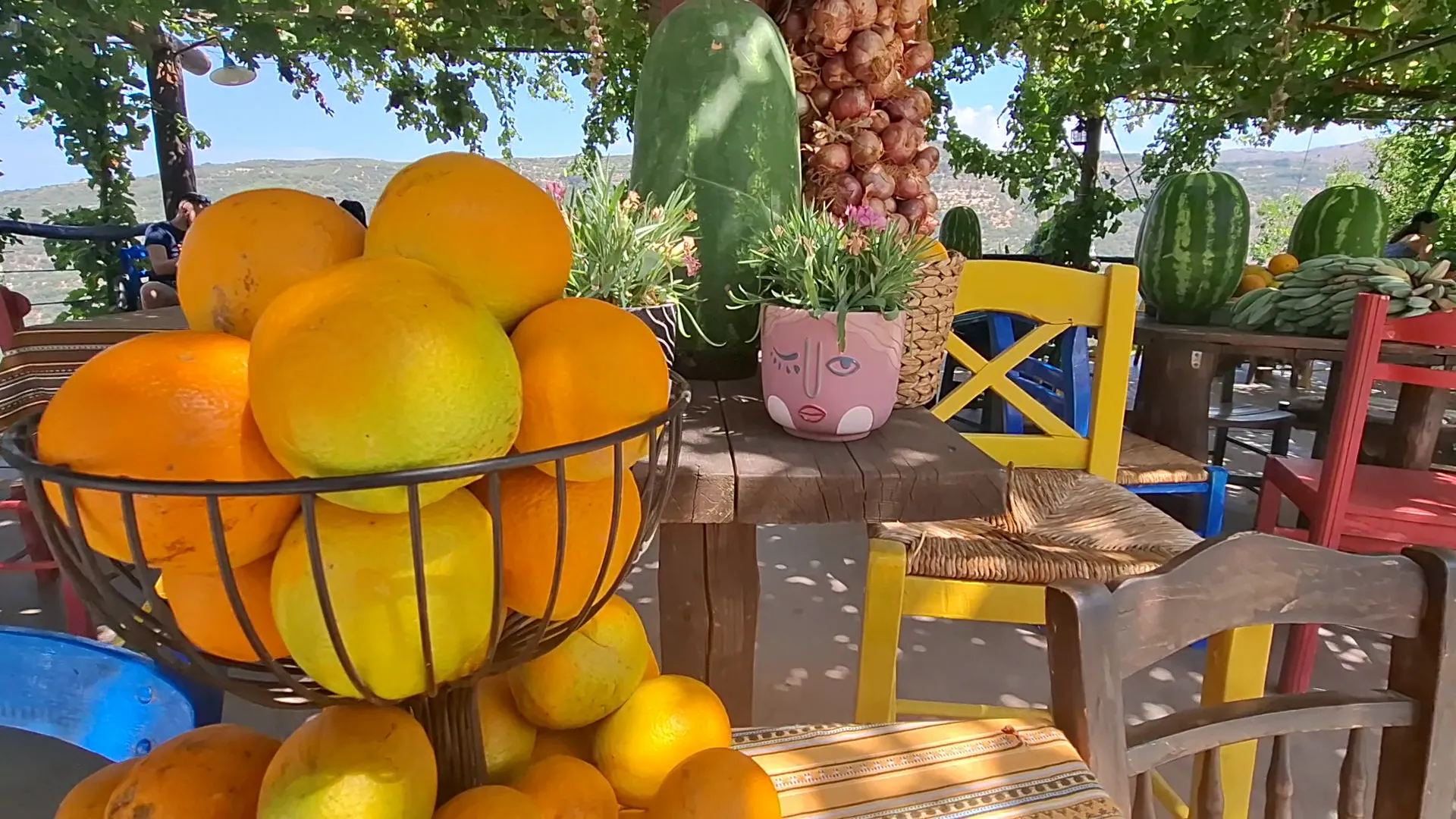
Crete in winter offers a very different experience from the island’s busy summer tourism season. From December through February the crowds disappear, temperatures become cooler, and daily life returns to a slower rhythm.
While winter is not the traditional beach holiday season, it is an interesting time for travelers who want to explore Crete’s landscapes, culture, and towns without the pressure of peak tourism. Visitors often discover that the island feels more authentic and relaxed during these quieter months.
What Winter Is Like in Crete
Winter in Crete is mild compared with most of Europe. The island rarely experiences extreme cold, especially along the coast.
- Average daytime temperatures: 13–18°C
- Night temperatures: 8–12°C
- Sea temperature: around 16–19°C
Rainfall is more common during winter, but storms usually pass quickly. Sunny days frequently return after rain, bringing clear skies and fresh air.
Because of winter rains, the island becomes green again after the dry summer months. Hills, valleys, and olive groves look far more vibrant than during summer.
How Tourism Changes in Winter
Tourism slows down significantly during winter. Many beach resorts and seasonal hotels close until spring, especially in areas focused mainly on summer visitors.
However, the main cities remain active throughout the year because they serve large local populations.
- Chania
- Rethymno
- Heraklion
- Agios Nikolaos
Restaurants, cafés, markets, and shops remain open in these cities, making them the best places to stay during winter travel.
Weather Conditions During Winter
The winter climate in Crete is generally mild but can vary from day to day. Rain showers and wind occasionally appear, especially during passing Mediterranean storms.
Between storms the island often experiences clear sunny weather. This mix of rain and sunshine helps create the green landscapes that characterize Crete during winter months.
Mountain regions can occasionally receive snow, especially in the White Mountains, Psiloritis range, and Dikti Mountains. From coastal towns visitors may sometimes see snow-covered peaks above the countryside.
Things to Do in Crete in Winter
Although winter is not the beach season, there are still many ways to explore the island.
- walk through historic old towns
- visit archaeological sites and museums
- explore traditional villages
- drive scenic coastal and mountain roads
- experience local Cretan cuisine
Cooler temperatures make sightseeing much more comfortable than during the hot summer months.
Exploring Historic Cities
Without the large summer crowds, Crete’s historic cities feel much calmer. Walking through the narrow streets of old towns becomes easier and more relaxed.
Chania’s Venetian harbor, Rethymno’s old town, and Heraklion’s historic center are particularly enjoyable during winter.
Cafés and restaurants remain open, allowing visitors to enjoy local food and warm indoor spaces during cooler evenings.
Nature and Landscapes
Winter landscapes in Crete are surprisingly beautiful. After autumn rainfall, the island becomes green and full of life.
Rivers and streams flow again, wild plants grow across hillsides, and mountain scenery becomes dramatic when snow appears at higher elevations.
Photographers and nature lovers often appreciate these landscapes even more than the dry summer scenery.
Driving Around the Island
Driving is one of the best ways to explore Crete in winter. Roads are quiet and parking in cities is usually easy.
Travelers should drive carefully during rainy weather and remain cautious on mountain roads where fog or wind may occasionally appear.
Despite these conditions, winter road trips can be very enjoyable thanks to the peaceful environment.
Local Life During Winter
One of the most interesting aspects of visiting Crete in winter is experiencing everyday life without heavy tourism.
Local markets, bakeries, and cafés serve mostly residents rather than tourists. This creates a more authentic atmosphere across towns and villages.
Travelers often find winter to be the best time to observe local culture and traditions.
Advantages of Visiting Crete in Winter
Traveling during winter offers several benefits.
- very few tourists
- lower accommodation prices
- peaceful cities and landscapes
- green scenery after winter rain
For travelers who enjoy calm destinations and cultural exploration, winter can be one of the most interesting times to visit the island.
Possible Limitations
Winter travel also comes with a few limitations. Swimming conditions are usually too cold for most visitors, and some seasonal tourist businesses remain closed until spring.
Weather can also be unpredictable, with occasional rain or wind.
However, many travelers consider these small drawbacks worth the opportunity to see a quieter side of Crete.
Is Crete Worth Visiting in Winter
Crete in winter is ideal for travelers who prefer slower travel, cultural exploration, and scenic landscapes instead of busy beach tourism.
The island reveals a more authentic atmosphere during these months, allowing visitors to experience towns, villages, and local traditions without the crowds that define the summer season.
For travelers interested in discovering the island beyond its beaches, winter can be one of the most rewarding times to explore Crete.